Savoring Yakitori: The Art of Japanese Grilled Chicken
What if I told you that a simple skewer of grilled chicken could transport you straight to the bustling streets of Japan? Say goodbye to boring dinners—it’s time to savor the smoky, tender magic of yakitori!
In this guide, I’ll share secrets to mastering Japanese grilled chicken that not only respects tradition but also fits seamlessly into your busy life. From marinades that will make your mouth water to grilling tips that ensure perfectly charred bites, you’ll learn it all. Let’s fire up that grill and make Tuesday night something truly special!
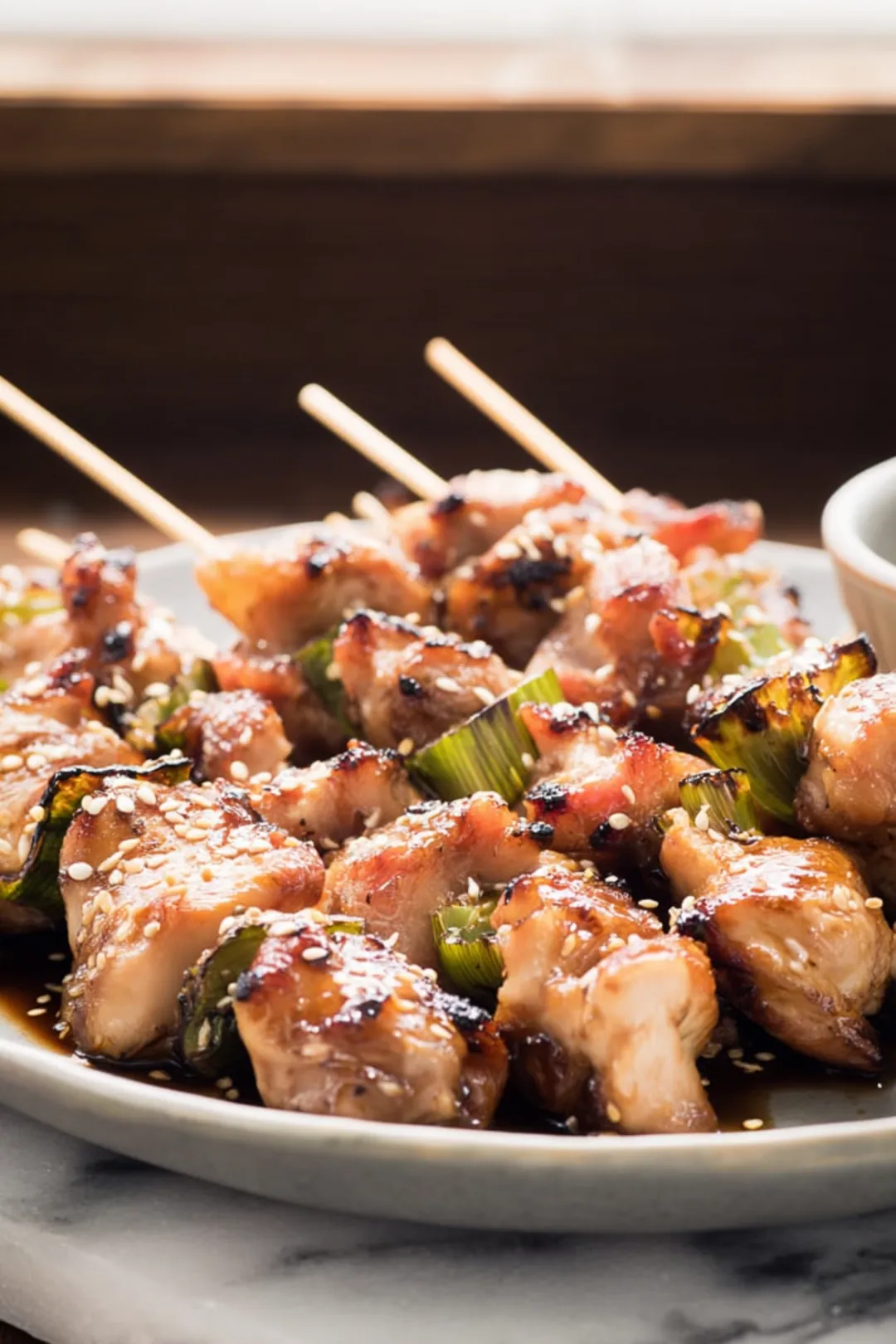
Table of Contents
Why You’ll Love This Recipe
Let’s turn Tuesday night into something savory and exciting! These key takeaways will help you master yakitori, bringing authentic Japanese flavors right to your kitchen while also keeping it practical for your busy life.
-
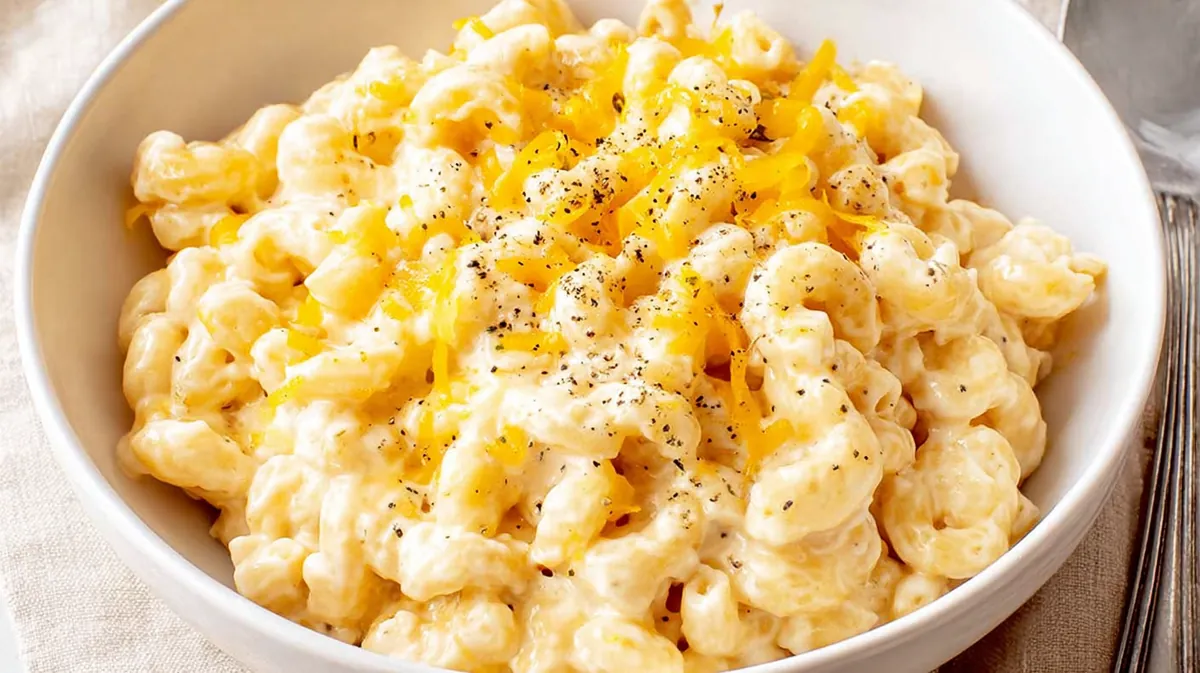
Marinade Magic: A good marinade is key! Mix soy sauce, mirin, and a hint of sugar for a sweet-savory balance. Let that chicken soak up the flavors for at least 30 minutes—trust me, it makes a world of difference. I tend to marinate mine a bit longer, even overnight if time allows! It really intensifies the flavor, leaving you with juicy, succulent chicken that bursts with taste. For something different, try adding a touch of High Protein Mac and Cheese on the side for a hearty meal.
-
Perfect the Skewering: Skewering chicken correctly not only impacts cooking but also presentation. Fold the chicken pieces around the skewer for a secure grip; they’ll cook evenly and look fantastic on your plate. In my kitchen, I like to alternate chicken with colorful veggies; bell peppers, zucchini, or even cherry tomatoes enhance the visual appeal while adding flavor and crunch. You can even prepare a delicious Cobb Salad as an accompaniment!
-
Grill Heat Matters: Get your grill prepped to a medium-high heat; too hot can char them, too low could leave you with rubbery bites. You want that perfect char without losing the juiciness. I always keep a spray bottle of water handy to manage flare-ups—it’s a real lifesaver! Honing in on this skill will ensure you enjoy that smoky goodness without turning your dinner into a disaster. For a great way to learn some grilling techniques, check out a delightful recipe for Grilled Chicken Kabobs.
-
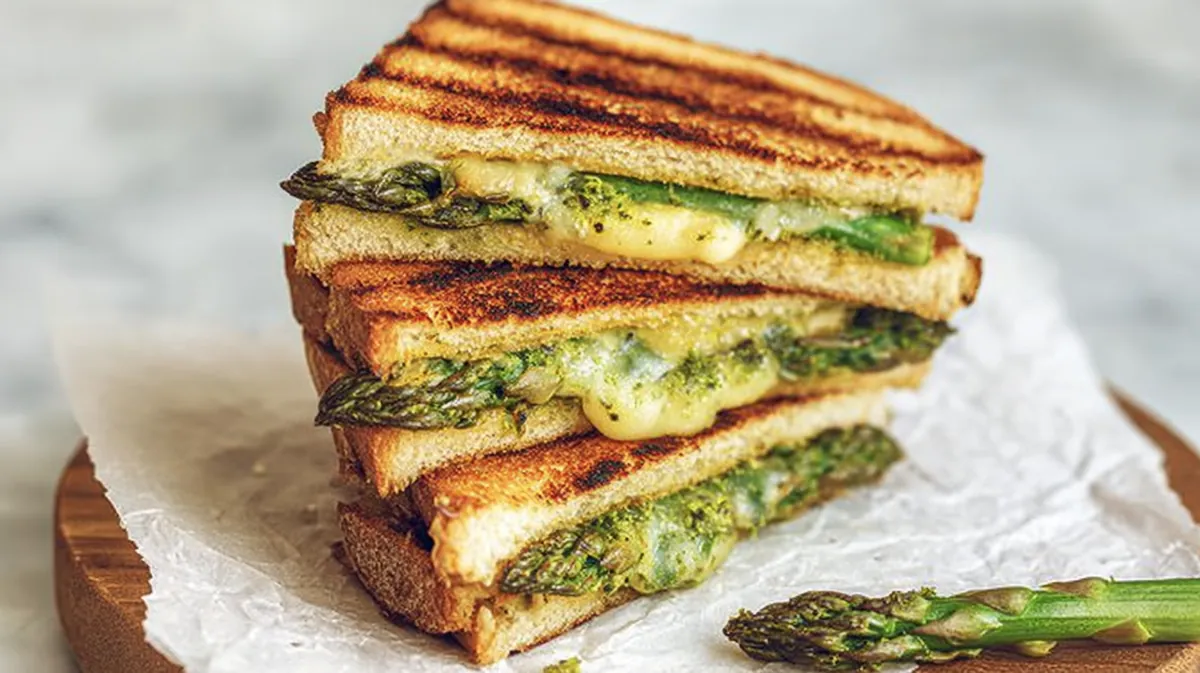
Explore Variations: Don’t just stick to chicken! Feel free to throw in veggies like mushrooms or eggplant for added texture and flavor. They soak up the marinade beautifully and create a symphony of tastes. If you’re feeling adventurous, add some shrimp or tofu for a delightful twist that caters to everyone at your table. Alternatively, treat yourself to an Asparagus Grilled Cheese Sandwich on the side for a unique combination!
-
Serving Style: Yakitori is often served with nothing but a sprinkle of salt or a glaze of tare, but don’t shy away from a squeeze of citrus or a side of dipping sauce to elevate the experience further. I love to pair mine with a little wasabi or a tangy ponzu sauce—it adds an exhilarating twist that complements the rich flavors beautifully!
-
Cultural Connection: Understanding yakitori’s story enriches the meal. This dish brings people together in Japan—the perfect conversation starter at your table too! Embrace the moment by setting the dining scene as if you were in an izakaya, complete with wooden chopsticks and an inviting atmosphere.
Ready to dive into making your own yakitori? Let’s get cooking!
Understanding Yakitori: A Deep Dive into the Dish
What is Yakitori?
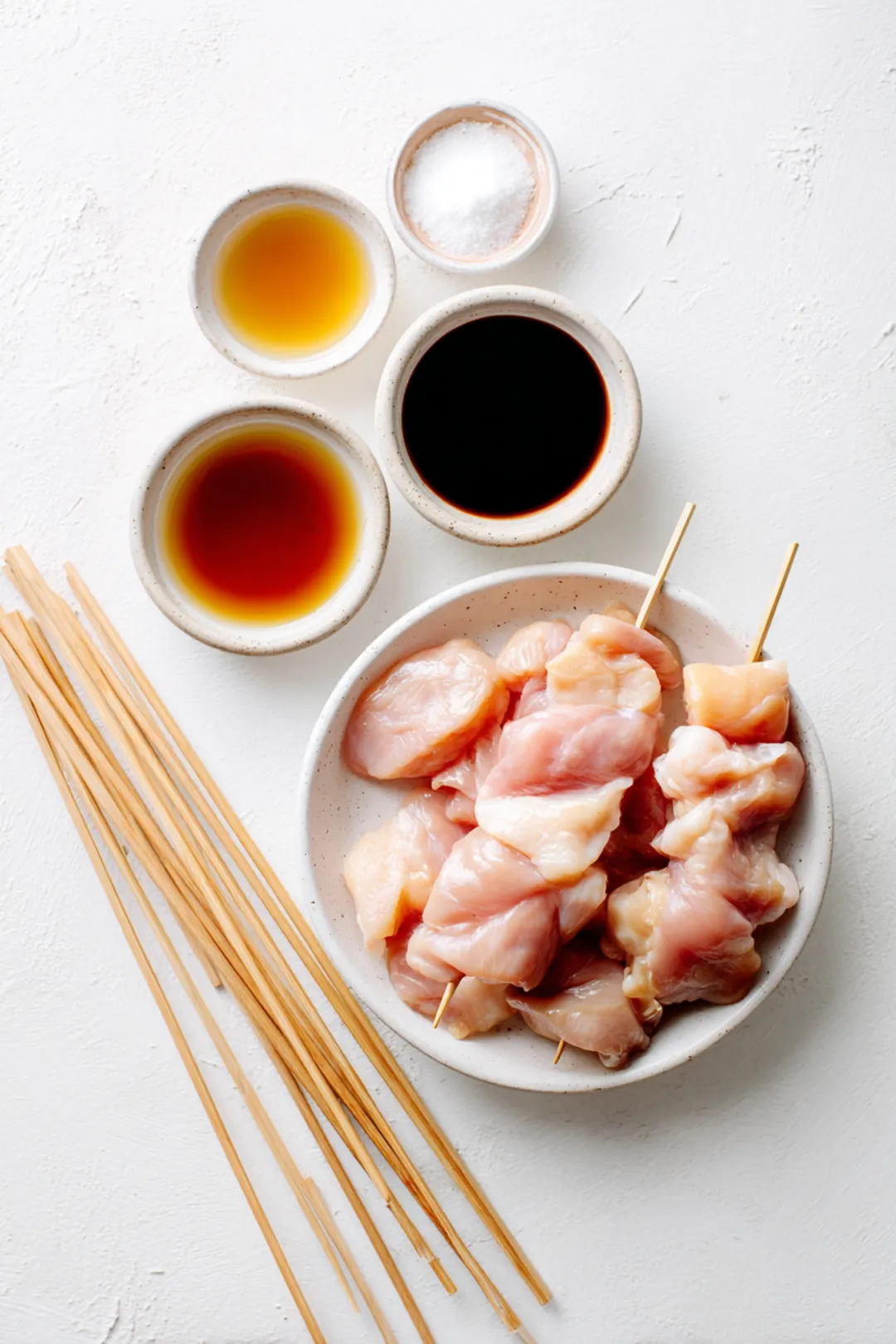
Yakitori, simply put, is Japan’s delightful take on grilled chicken skewers. With roots tracing back to the Edo period, this delectable dish has become a staple, celebrated for its rich flavors and communal experience. The word itself translates to “grilled chicken,” but it’s much more than that. Picture bustling street food markets, where the aroma of charred chicken fills the air, creating a warm invitation to come together over food. You’ll find yakitori at neighborhood izakayas, where it embodies the very spirit of Japanese hospitality—bringing people together.
“Yakitori is more than just food; it’s a reflection of Japanese hospitality and community spirit.”
Varieties of Yakitori
The diversity of yakitori is astounding, with cuts like momo (chicken thighs), sasami (breast), and tsukune (meatballs) showcasing a range of textures and flavors. Each variety offers something unique; for instance, momo is favored for its juicy richness, whereas sasami delivers a leaner bite. The variations extend beyond cuts to include preparation methods and seasonings, which differ from region to region. Some areas prefer a sweeter marinade, reminiscent of teriyaki’s luscious glaze, while others stick to a simple salt rub known as shio. This regionality enriches the yakitori experience, ensuring every bite tells a story of its origin.
The Essential Equipment
When it comes to yakitori, the right equipment can be a game changer. It’s essential to choose skewers that suit your preferences—bamboo skewers are lightweight and great for home grilling, but don’t forget to soak them beforehand to prevent burning. Metal skewers, on the other hand, are durable and reusable, providing excellent heat retention.
And let’s not overlook the yakitori grill, or torikatsu, crucial for that perfect char. A good grill ensures even cooking and authentic flavors. Investing in a solid setup, whether it’s a traditional charcoal grill or a modern electric model, opens the door to mastering yakitori and creates that unique smoky profile we all crave!
Ingredient Essentials for Perfect Yakitori
Choosing the Right Chicken
Selecting the right chicken cut is essential for yakitori success. Boneless chicken thighs are often the favored choice, thanks to their higher fat content, which keeps them moist and flavorful during grilling. They provide a delicious richness that beautifully complements the marinade. When sourcing your chicken, look for cuts that are firm, well-colored, and without any off smells. Freshness is key—it directly impacts the final flavor of your yakitori and is essential for both flavor and safety.
Marinades: The Flavor Foundation
Let’s dive into the heart of yakitori—the marinade. A classic blend includes soy sauce, mirin, sake, and sugar, striking a delicate balance between salty, sweet, and umami flavors. The typical ratio is 2:1:1:1; that means for every two tablespoons of soy sauce, use one tablespoon each of mirin, sake, and sugar.
Remember, a good marinade is the soul of great yakitori!
Common pitfalls involve adding too much salt, which can overpower the dish, or not allowing the chicken to marinate long enough, resulting in a bland flavor. Aim for at least 30 minutes, but if you can let it soak for a few hours, you will amplify those flavors even further.
Flavor Variations
The beauty of yakitori lies in its versatility. Sweet and savory marinades both have their place, making it easy to adapt the dish to your palate. If you’re in the mood for something with a glossy finish, teriyaki is a delectable option. And for those with specific dietary needs, don’t fret! You can use gluten-free soy sauce or low-sugar alternatives without sacrificing taste. It’s all about creativity and personal preference!
Step-by-Step Guide to Making Yakitori
Prepping the Chicken
Before we fire up the grill, let’s talk about food safety and preparation. Always wash your hands before handling raw chicken, and ensure your cutting board is cleaned thoroughly. When it comes to skewer prep, aim for uniform pieces—about 1-1.5 inches—so they cook evenly. This attention to detail ensures a lovely texture throughout your skewers, creating that delightful bite that everyone craves.
Marinating Techniques
Now that the chicken is prepped, let’s discuss marinating. A solid minimum is 30 minutes, but if time allows, letting it marinate overnight will offer an explosion of flavor. Beware, though! Over-marinating can result in a mushy texture, which no one wants. Ensuring you strike that perfect balance will reward you with juicy, flavorful skewers each time.
Grilling Mastery
It’s time to get grilling! Preheat your yakitori grill, and aim for a medium heat—this allows the chicken to cook through without burning. Depending on the size of your skewers, cook them for about 3-5 minutes per side.
Managing flare-ups is key, so if things get too fiery, simply move those skewers away from direct flames until you regain control. A little bit of char is lovely, but we want to avoid turning our delicious yakitori into charcoal!
Serving Your Yakitori
Presentation Matters
Once grilled to perfection, presentation is crucial. Arrange your yakitori artistically on a serving plate, perhaps fanning them out or standing them upright in a small cup to elevate the visual appeal. A sprinkle of fresh herbs like cilantro or a tantalizing zest of citrus can take your dish to the next level—remember, the first bite starts with the eyes!
Dipping Sauces and Accompaniments
Now, let’s add some flavor! Traditional tare sauce, a sweet soy-based glaze, perfectly complements yakitori. If you’re feeling adventurous, try whipping up a spicy miso sauce for a modern twist. Pair your skewers with sides like grilled veggies or a crisp salad to create a meal that’s bursting with flavors. Think about options like a refreshing Strawberry Cucumber Salad or a tangy quinoa dish to round out your dinner spread.
Enjoying Yakitori: A Cultural Connection
Yakitori as a Social Food
In Japan, yakitori is more than just a dish; it’s a social experience. Sharing plates brings friends and family together, creating bonds over delicious food. At home, you can replicate this feeling by setting up a yakitori night—encouraging everyone to grab a skewer and share bites. It’s a beautiful nod to the izakaya dining culture and a perfect way to enjoy a casual evening filled with warmth and laughter.
Exploring Regional Variations
As you explore yakitori, take a moment to appreciate its regional diversity. Different areas boast unique marinades and preferences, such as the cherry blossom flavors of the Kanto region or the robust, savory marinades found in Osaka. Let these variations inspire your culinary adventures and expand your palate beyond just yakitori.
Cooking Tips and Troubleshooting
If you find your chicken sticking to the grill, don’t panic! Pre-oiling the grill surface before cooking can save the day. And if you feel adventurous, apply these grilling techniques to other dishes like teppanyaki or shish kebabs. It’s all about exploring the versatility of grilling methods!
Nutrition Tips
Now, let’s talk nutrition! Yakitori is not just delicious but also a great source of protein. If you want to amp up the health factor, consider including more vegetables—grilling some colorful veggie skewers alongside your chicken makes for a perfect harmony of flavors and nutrients. It’s a great way to sneak in some extra health benefits while satisfying those taste buds!
Helpful Resources
For those looking to dive deeper into yakitori mastery, refer to trustworthy sources like USDA guidelines or local culinary institutes. They can offer a treasure trove of knowledge to enhance your cooking journey and broaden your understanding of Japanese cuisine.
So grab those skewers, and let’s savor the art of yakitori together!
FAQs
What is yakitori style chicken?
Yakitori style chicken refers to skewered and grilled chicken, typically seasoned with salt or a savory sauce called tare. Served on bamboo sticks, it’s a popular dish in Japanese cuisine, often enjoyed as street food or in izakayas.
How do you make yakitori?
To make yakitori, cut chicken into bite-sized pieces, season with salt or tare sauce, and skewer them on bamboo sticks. Grill over charcoal or an open flame, turning occasionally until cooked through, about 10–15 minutes. Serve hot with dipping sauces.
What is grilled chicken on a stick called in Japan?
Grilled chicken on a stick is called yakitori in Japan. It’s a beloved dish that showcases various chicken parts, often grilled to perfection and enjoyed with a variety of marinades or sauces.
What type of grill is used for yakitori?
A yakitori grill, known as a shichirin, is a traditional Japanese grill made typically with charcoal. This type of grill allows for high, direct heat, creating that perfect char and smoky flavor essential to authentic yakitori.
What ingredients are typically used in yakitori marinades?
Common ingredients in yakitori marinades include soy sauce, mirin, sake, and sugar. These create a sweet and savory glaze that enhances the flavor of the chicken and adds depth to the dish when grilled.
Conclusion
As we wrap up our exploration of yakitori, I hope you’re inspired to embrace this delightful dish in your own kitchen. From understanding its rich history and cultural significance to choosing the right chicken and perfecting your marinade, each step brings you closer to mastering these iconic grilled skewers. Remember, cooking yakitori is not just about the food—it’s an opportunity to share laughter, stories, and delicious bites with friends and family. So fire up that grill, embrace the spirit of Japanese hospitality, and let each skewer be a celebration of flavors and togetherness. And don’t forget: the more you practice, the better you’ll become! Until next time, may your meals always be hearty and full of joy!
Savoring Yakitori: The Art of Japanese Grilled Chicken
Ingredients
Method
- In a mixing bowl, combine soy sauce, mirin, sake, and sugar. Stir until the sugar dissolves to create the yakitori marinade.
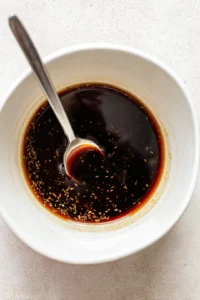
- Add the chicken pieces to the marinade and let them marinate for at least 30 minutes, allowing the flavors to penetrate.

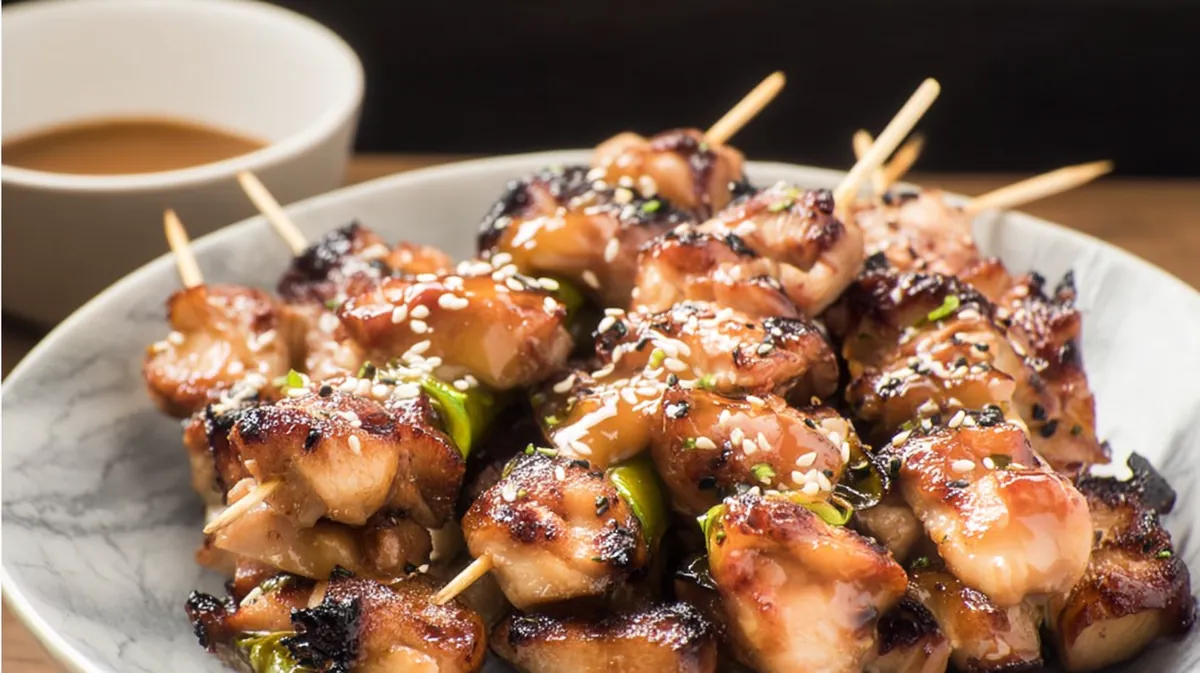
- Thread the marinated chicken pieces onto soaked skewers and grill over medium heat for about 15 minutes, turning occasionally until the chicken is cooked through and slightly charred.