
Savvy Zero-Waste Vegetable Scrap Broth Recipes
Have you ever tossed vegetable scraps into the trash, only to realize those bits could become a mouthwatering broth? Let’s transform that guilt into culinary creativity!
Join me as we embark on a journey of zero-waste cooking, where every leftover peel and stem transforms into a savory treasure. Together, we’ll explore how to craft rich, flavorful broth from what you once considered waste, adding warmth and depth to your dishes while doing your part for the planet. Now, let’s dive into the magic of making Zero-Waste Vegetable Scrap Broth!
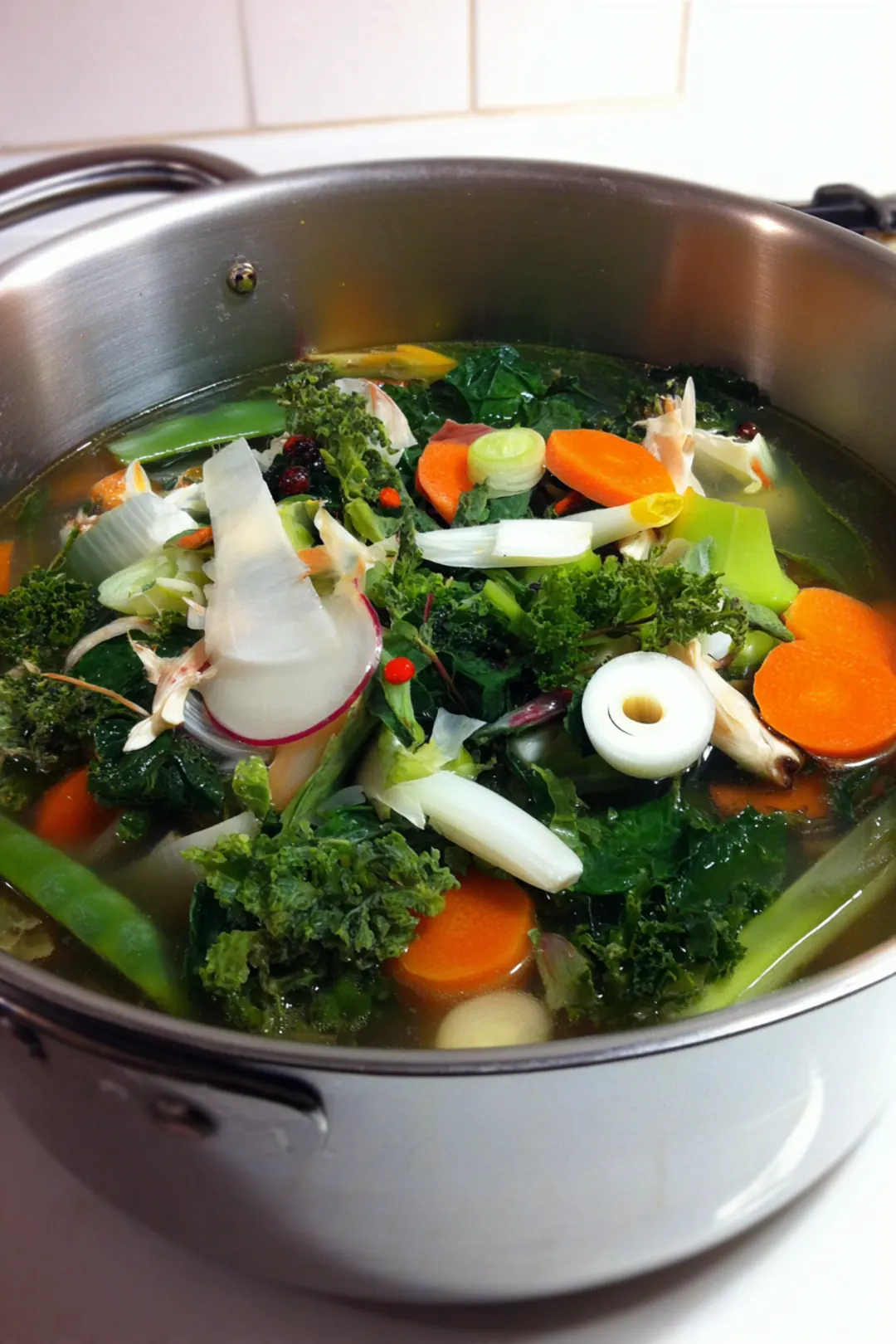
Table of Contents
Why You’ll Love This Recipe
Creating a delicious broth from vegetable scraps is not just a sustainable choice; it’s also a flavor-packed secret in your culinary journey! By following these tips, you will maximize flavor and minimize waste, ensuring that every spoonful is a celebration of vibrant veggies and smart cooking.
- Mind Your Scraps: Start collecting vegetable scraps, such as onion skins, carrot tops, and celery leaves, over the course of a week. Store them in a sealed bag in the fridge—it’s a simple way to keep your kitchen both zero-waste and flavorful! Personally, I keep a designated container in my fridge just for scraps; this makes it easier to accumulate enough for a batch of broth.
- Season Smart: A touch of salt can elevate your broth, but hold off on any seasoning until the end. Allow the flavors to simmer and develop first—then adjust to your taste. In my experience, waiting really lets the individual ingredients shine without overpowering one another.
- Herb Harmony: Toss in herb stems alongside your scraps! Fresh herbs like parsley or basil have robust flavors that contribute to a deeper, more aromatic broth. If you have any wilting herbs in your fridge, don’t hesitate to use them up—every bit counts!
- Simmering Secrets: Don’t rush the process; let the broth simmer gently for at least an hour. Trust me, the longer you allow it to brew, the richer and more complex those flavors will become. I often let mine simmer for up to two hours; this really rounds out the taste wonderfully.
- Flavor Boosters: Get experimental! Adding dried mushrooms or even a splash of soy sauce can create an umami depth that beautifully complements your vegetable scraps, giving the broth a delightful taste experience. You might also consider adding Sautéed Bok Choy with Garlic & Crispy Chili on the side for an extra layer of flavor.
- Storage Sense: This broth is freezer-friendly! Once cooled, pour it into ice cube trays or mason jars for convenient future use—perfect for a quick soup base or a punchy addition to your favorite dishes. I like to label my jars with the date so I know when to use them by.
- Zero-Waste Benefits: Embrace the joy of reducing food waste—not only are you saving money, but you’re also making a significant environmental impact, which is a cornerstone of good cooking.
Now, let’s turn those scraps into a savory broth that you’ll want to keep in your recipe rotation!
Understanding Zero-Waste Vegetable Scrap Broth
The Benefits of Zero-Waste Cooking
Creating a Zero-Waste Vegetable Scrap Broth is not just practical; it’s downright rewarding! Think about it: you’re transforming what would typically be tossed aside into something flavorful and nourishing. This not only enhances your meals but also saves money—and who doesn’t appreciate that? According to the USDA, “Using vegetable scraps not only cuts costs but can also contribute essential vitamins and minerals to your diet.” So, when you save those onion skins and carrot tops, you’re not just being thrifty; you’re boosting the nutrition of your meals as well.
Beyond the financial benefits, there’s a crucial environmental impact too. Embracing vegetable scraps allows us to significantly reduce our landfill contributions. Food waste constitutes a large part of what we throw away, and every bit we use contributes to more sustainable cooking practices at home. With Zero-Waste cooking, you play a vital role in combating food waste while enjoying delicious meals!
Common Vegetable Scraps to Use
Let’s take a look at some delightful vegetable scraps you can utilize in your broth, making the most of what you have:
- Onions: Don’t hesitate to use the papery skins and root ends! They’re bursting with flavor.
- Carrots: Save those tops and peels—ideal for a rich, hearty broth. For even more deliciousness, try pairing it with a Purple Cabbage -Chaos- Salad with Miso Dressing.
- Celery: The leaves and trimmings contribute fantastic depth.
- Garlic: Any leftover cloves and skins provide a wonderfully savory touch.
- Herbs: The stems from parsley, cilantro, and basil are often underappreciated but work beautifully in broth.
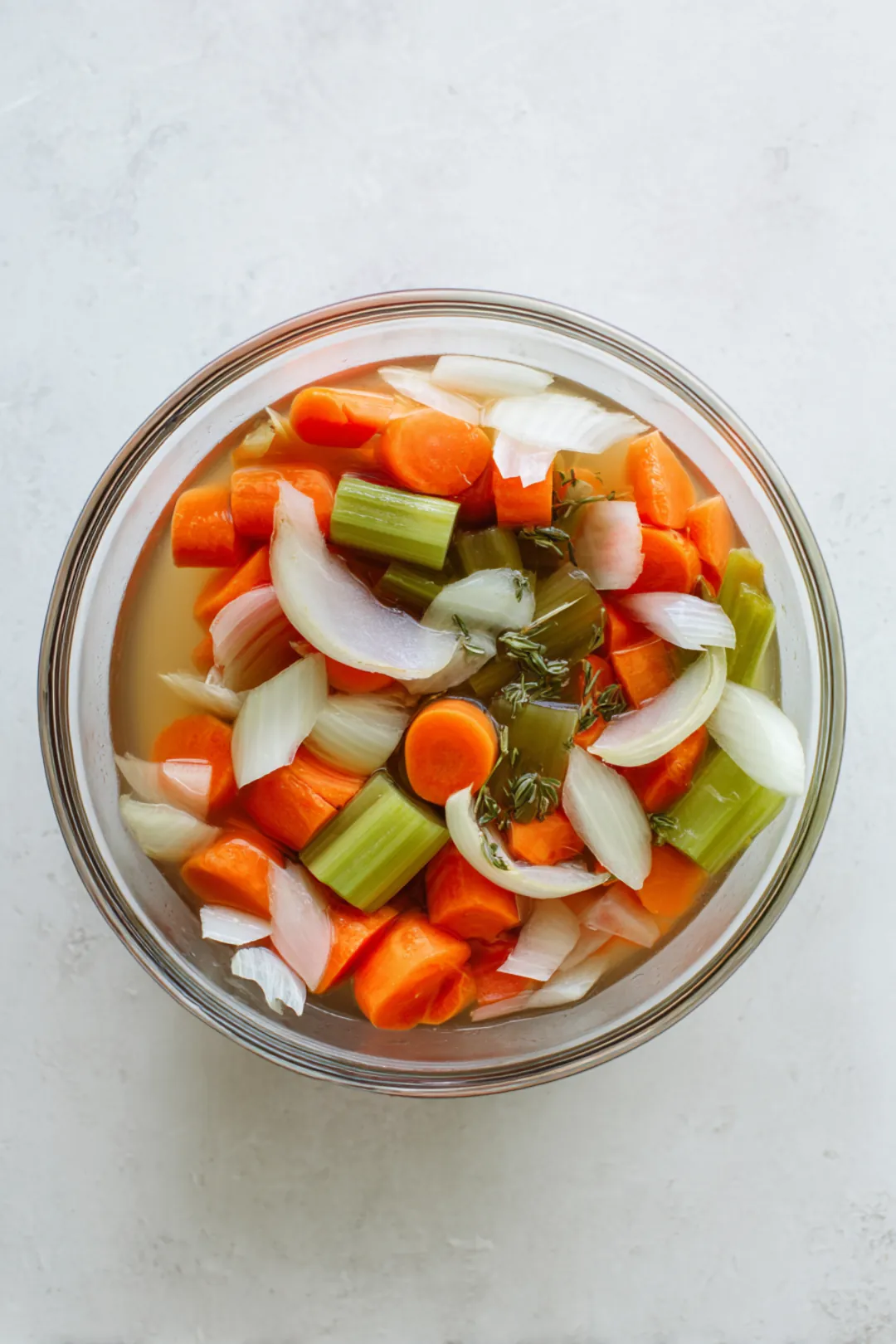
Remember, creativity is key! Keep an open mind to other scraps you encounter; the world of zero-waste cooking is all about discovering potential in every little piece.
Crafting Your Vegetable Scrap Broth
Collecting & Storing Vegetable Scraps
To cook mindfully, start by organizing how you collect vegetable scraps. Designate a specific bag in your fridge or freezer for this purpose. This will prevent any precious scraps from going unnoticed and ensure you always have what you need when it’s broth-making time. Utilizing the freezing method is particularly handy; it keeps those scraps fresh and ready for a flavorful broth when you’re ready to simmer!
Choosing Flavor Combinations
Now comes the fun part: exploring flavor combinations! Take a stroll through your herb garden and pair fresh herbs with the scraps you’ve gathered. Consider how mixing sweeter veggies—like carrots—with heartier options—like onions—can create a delightful taste. For an extra umami boost, why not add some dried mushrooms or a splash of soy sauce? This not only elevates the flavor but also encourages you to get creative in the kitchen.
The Broth-Making Process
- Gather your ingredients—onion skins, carrot tops, celery leaves, and any other scraps you’ve saved.
- Fill a pot with 8 cups of lukewarm water. Add your collected scraps and toss in a bay leaf for good measure.
- Simmer gently for 30 minutes. This gentle simmering is essential; a violent boil can create a muddy taste that no one wants in their broth.
- Finally, adjust taste after simmering. This step helps to avoid over-salting early on—season to your heart’s content at the end!
Enhancing Your Broth Experience
Flavor Customizations
Once you have your broth, it’s all about enhancement! Experimenting with adding spices can take your broth to new heights—consider incorporating peppercorns and bay leaves for added warmth. A splash of vinegar or a squeeze of lemon can brighten the flavors, adding a delightful zing. Don’t shy away from starchy additions like potato peels; they’ll lend body and heartiness to your beloved broth. You can also blend in some Air Fryer Cabbage Chips – Zero-Waste Snack for extra crunch.
Mistakes to Avoid
- Overcooking: Boiling too harshly? Be cautious, as this can extract bitter flavors from your scraps.
- Underseasoning: Always remember to taste first before sealing the deal with salt; it’s crucial for a well-rounded broth.
- Overwhelming Ingredients: Aim for balance in flavor—too much of one ingredient can overshadow the rest.
Storing and Using Your Broth
Proper Storage Techniques
Once your broth is ready, let’s discuss proper storage:
- Freezing: Ice cube trays are perfect for easy portioning, while mason jars work beautifully for larger amounts.
- Refrigeration: Typically, your broth can last about a week in the fridge, so don’t forget to label your containers—clarity is key!
Creative Uses for Vegetable Scrap Broth
While your broth shines on its own, consider all the creative ways to utilize it:
- Soup Base: Perfect for a classic vegetable soup—the backbone of many dishes! Enhance it with a twist of Pickled Cabbage & Parsnip Power Bowl.
- Cooking Grains: Use the broth to infuse flavor into rice or quinoa; it elevates the grain to a new level. I personally love cooking quinoa in broth—it makes such a delicious difference!
- Sauces and Stews: This homemade broth enriches your favorite recipes, making every meal feel more luscious and rewarding.
Nutrition and Health Benefits
Let’s not overlook the nutritional overview here! The ingredients in your scrap broth are not just remnants; they pack a punch of vitamins and minerals. Pairing the broth with nutrient-rich elements like lentils or leafy greens enhances the meal’s health benefits—making it both delicious and wholesome. Consider making a simple side dish like Fermented Kefir Salad Dressing to complement it!
Zero-Waste Lifestyle
The Joy of Reducing Food Waste
Ultimately, the joy of reducing food waste is immeasurable! Being part of a movement towards sustainable practices isn’t just beneficial for your kitchen; it’s impactful within your community. I encourage you to spark discussions about sustainability—share your tips, and engage others in your zero-waste journey.
Why not host a fun scrap-cooking night with friends? It’s an excellent way to inspire creativity while fostering a sense of community and purpose. After all, sharing these experiences makes the journey all the more enjoyable!
FAQs
What can I use for vegetable scraps?
You can use a variety of vegetable scraps, including onion peels, carrot tops, celery leaves, and garlic skins. These scraps not only add flavor but also nutrients to your broth while reducing waste. Just remember to wash them thoroughly to remove any dirt.
How long can I store vegetable scrap broth?
Vegetable scrap broth can be stored in the refrigerator for up to one week. For longer storage, freeze the broth in airtight containers for up to three months. Simply thaw when you’re ready to use it again!
Can I freeze vegetable scraps for broth later?
Absolutely! You can freeze vegetable scraps for later use. Just place them in a freezer-safe bag or container. When you’re ready to make broth, add the frozen scraps directly to boiling water for a beautifully delicious base.
What are the benefits of zero-waste cooking?
Zero-waste cooking minimizes food waste, promotes sustainability, and encourages creativity in the kitchen. By utilizing vegetable scraps, you reduce your environmental impact while creating flavorful dishes—a win-win for both you and our planet.
What are some flavor variations for vegetable scrap broth?
You can enhance your vegetable scrap broth with herbs and spices like bay leaves, thyme, parsley, or peppercorns. Incorporating different scraps like mushrooms or tomatoes can also lead to unique flavor profiles, allowing for endless variations!
Conclusion
Creating a Zero-Waste Vegetable Scrap Broth is not only a way to make the most of your kitchen scraps, but it also brings immeasurable benefits to your wallet and the environment. By transforming what could have been discarded into a nourishing and flavorful broth, you’re engaging in a beautiful cycle of sustainability.
I encourage you to let your creativity shine as you explore different flavor combinations, making your broth truly unique. With the proper storage techniques, you can enjoy this gem for weeks, enhancing various dishes and nourishing your loved ones. Embrace this eco-friendly practice and share your culinary adventures with those around you. After all, cooking can be even more delightful when enjoyed together. Now, let’s get cooking and make those scraps sing!
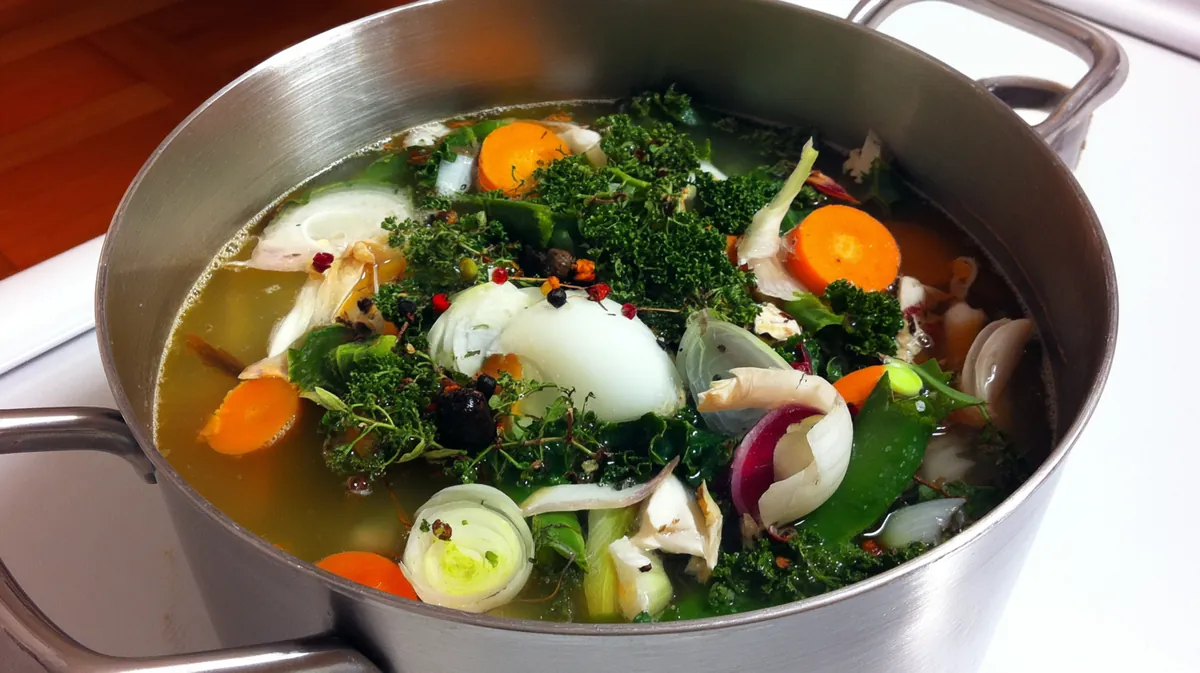
Savvy Zero-Waste Vegetable Scrap Broth Recipes
Ingredients
Method
- Gather all your vegetable scraps — onion skins, carrot peels, and celery leaves work wonders!
- In a large pot, combine the scraps with 8 cups of lukewarm water and a bay leaf. Bring to a boil.
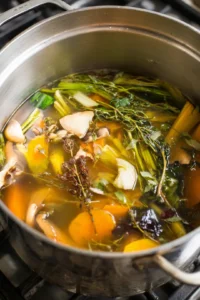
- Let the broth simmer for 30 minutes, allowing all the flavors to meld together. Strain and enjoy your zero-waste vegetable broth!