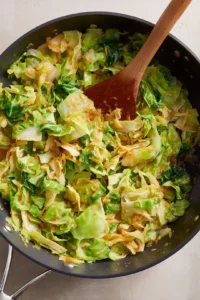
Savor Root-to-Stem Miso Braised Cabbage Today!
Have you ever wondered how to transform a humble cabbage into a culinary masterpiece? Embrace the root-to-stem philosophy with my Root-to-Stem Miso Braised Cabbage, where every part of this vibrant vegetable shines, turning a simple ingredient into a celebration of flavor.
In this article, I’ll share my best tips and insights for crafting a dish that’s not only flavorful but also sustainable and nutritious. From selecting the freshest cabbage to perfecting the braising technique, you’re in for a delightful experience that fills your table with warmth and balance. Let’s dive into the magic of miso and cabbage!
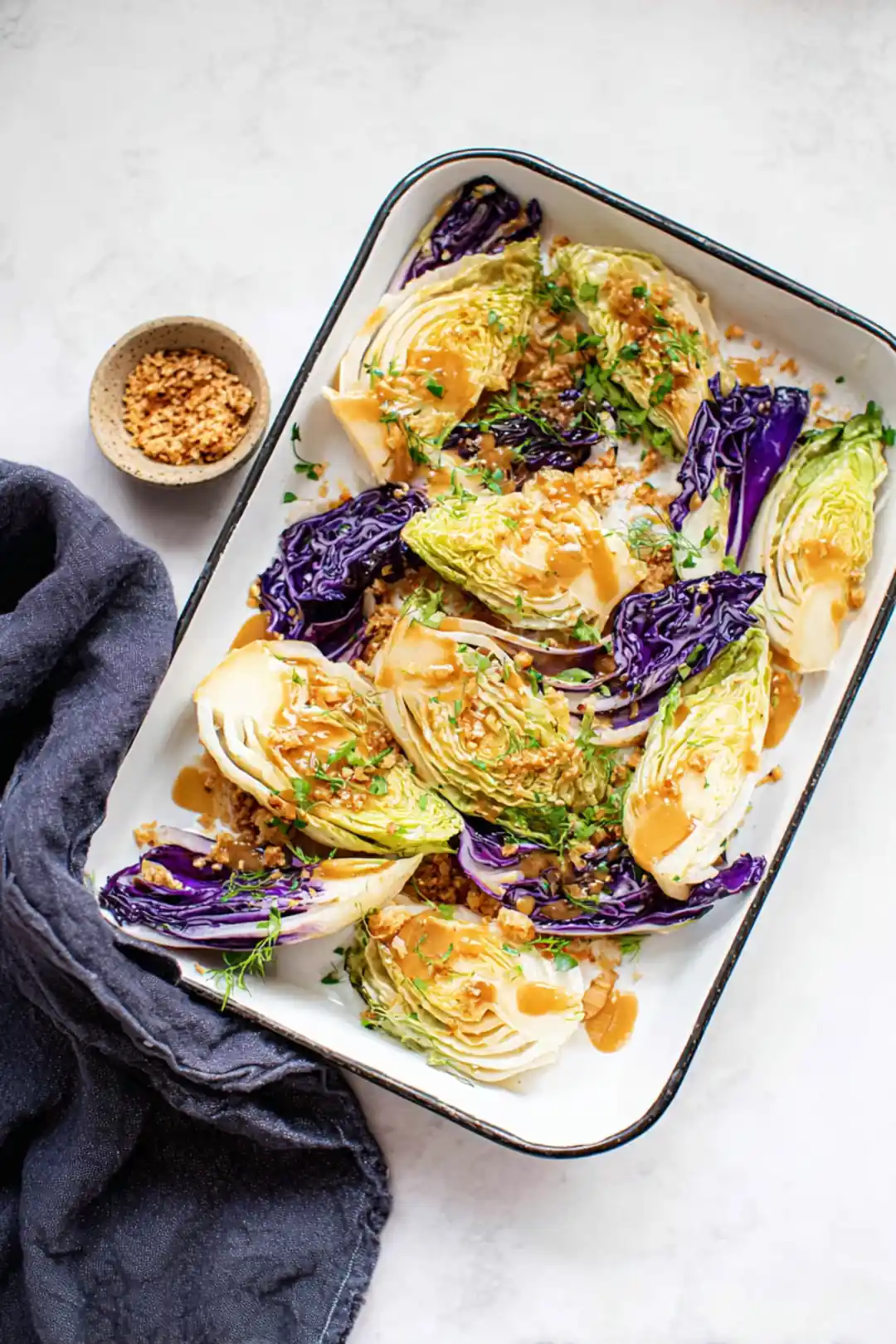
Table of Contents
Why You’ll Love This Recipe
Embracing a root-to-stem philosophy not only reduces waste but enhances flavors in this vibrant dish. My role here is to share a few chef-driven insights that will make your miso-braised cabbage a standout at the table!
- Select Fresh Cabbage: Look for heads that feel heavy for their size with tightly packed leaves. Freshness plays a significant role in the flavor and texture you’ll achieve; the more vibrant the color, the more flavorful your dish will be!
- Use All Parts: Don’t toss out the core! The heart of the cabbage adds both crunch and sweetness when braised. Shave it finely and include it—every bite counts in root-to-stem cooking, and you might be surprised at how delicious the often-overlooked parts can be.
- Miso Varieties: Experiment with different types of miso—white for sweetness or red for depth. Each brings a unique character and signature umami twist to the dish, similar to how different cheeses can transform a pasta dish. Don’t hesitate to mix varieties for even more complexity!
- Braising Technique: Start with a hot pan to caramelize the cabbage, bringing out its natural sugars. Then, gently lower the heat and let the slow cooking work its magic for comforting, tender results. In my kitchen, I always crank up the heat just enough at the start to get that lovely caramelization without burning anything!
- Serving Suggestions: Pair this dish with fluffy jasmine rice or whole grains like farro to create a well-rounded meal. A sprinkle of toasted sesame seeds or chopped scallions right before serving can elevate the entire dish with added texture and flavor.
- Mistakes to Avoid: Resist the urge to rush the braising process. Letting it simmer slowly is key to unlocking those deep, luscious flavors. Trust me, patience pays off!
- Nutritious Boost: Cabbage is packed with vitamins C and K while being low in calories. It’s not just delicious—it’s a health powerhouse that fits beautifully into any meal plan, making it a versatile option for families or those focused on nutrition.
These thoughtful tips will guide you through creating a dish that’s not just delicious but also a testament to sustainability and flavor. Now, let’s dive into the steps to craft this culinary delight!
Ingredients You’ll Need
Fresh Ingredients
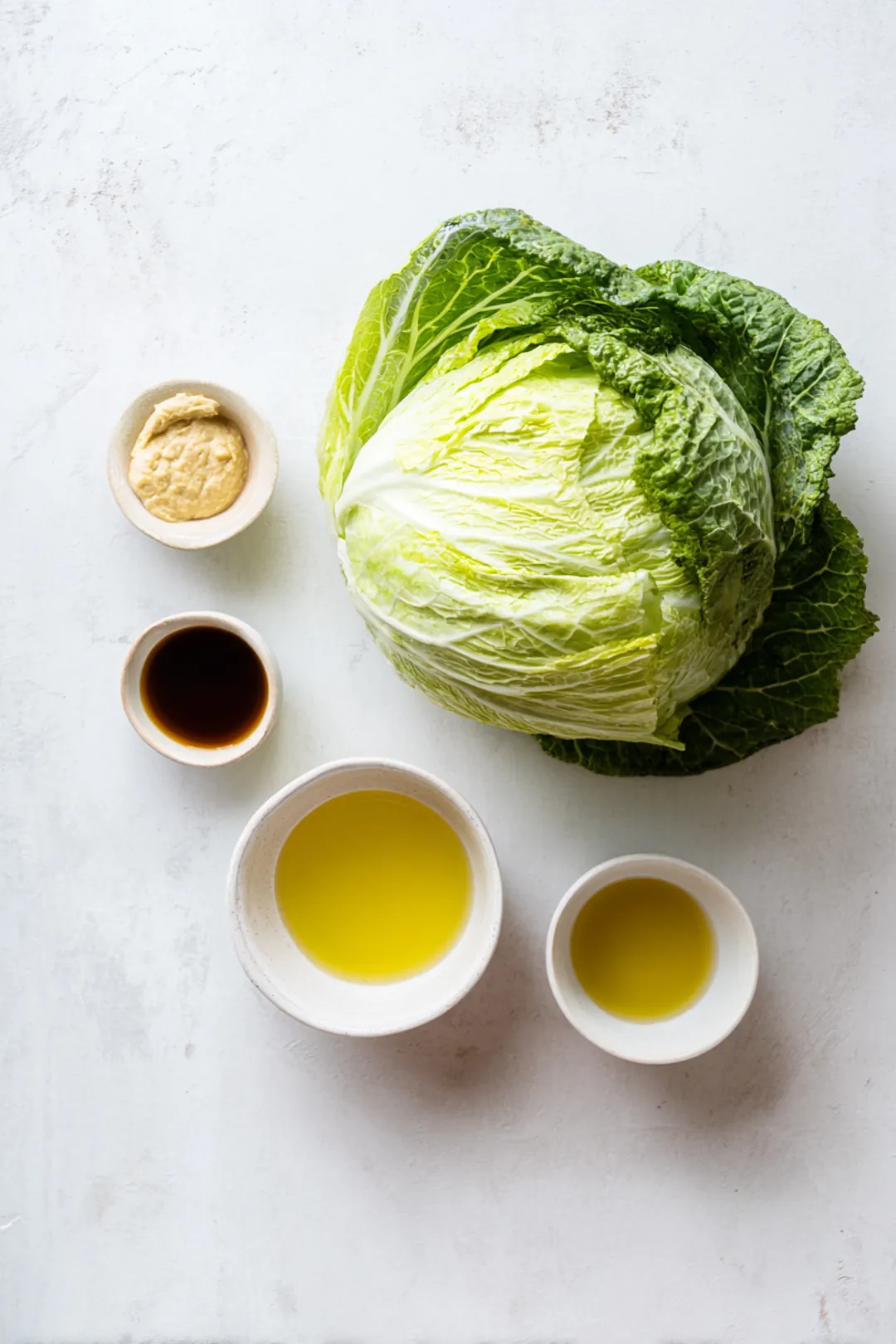
- Cabbage: Select fresh, vibrant green heads; varieties like Savoy and Napa add unique textures and flavors. Ensure there are no blemishes and the leaves are tightly packed. Remember, we’re embracing root-to-stem cooking, so don’t discard any part of it—your culinary creativity can shine here!
- Miso Paste: There are different types, such as white, yellow, and red, each offering a distinct flavor profile. White miso is milder and sweeter, while red is stronger and saltier—perfect for those who enjoy a more pronounced umami character. Experiment to find what suits your palate best and don’t shy away from blending them for an extraordinary taste!
- Aromatics: Don’t skimp on garlic and ginger—they’re the perfect duo to kick off your dish. Consider adding finely chopped onions for additional depth of flavor; they bring sweetness and complexity that will beautifully complement the cabbage. In my kitchen, I like to grate my garlic and ginger for even distribution of flavor throughout the dish, ensuring that each bite is packed with zest.
Pantry Staples
- Vegetable Broth: Choose a low-sodium variety to control the saltiness, or you can even make your own at home for a more robust flavor. Homemade broth really allows you to customize the taste!
- Soy Sauce: This adds umami richness. If you’re gluten-free, tamari is a wonderful substitute that won’t sacrifice taste. In fact, it can enhance the flavor profile more than you might expect.
- Sweetener: A touch of maple syrup or agave can beautifully balance the miso’s saltiness, so choose one based on your taste preference. This small addition makes a significant difference in rounding out the flavors.
- Oil for Sautéing: I recommend using olive oil for its light flavor, or go with sesame oil for a more pronounced Asian flavor. Either option works well when sautéing your aromatics and helps unlock the essential oils within.
Step-by-Step Cooking Instructions
Preparing the Cabbage
- Cleaning the Cabbage: Rinse the cabbage leaves under cold water to remove any dirt or grit. Pat them dry gently to ensure they’re ready for cooking without excess moisture.
- Proper Cutting Techniques: Start by quartering the cabbage to access the core. Slice the leaves into wedges for braising, and chop the core into smaller pieces to utilize every bit—this is where the root-to-stem concept shines! I find that a sharp chef’s knife helps me slice through the toughness of the cabbage with ease, ensuring even cuts.
- Storing Leftovers or Unused Parts: Wrap any leftover cabbage tightly in plastic wrap or place it in an airtight container. Store it in the fridge to preserve freshness for later use in salads or stir-fries. You can also integrate it into soups or smoothies, reducing waste while maximizing nutrition.
Braising Process
- Heat Your Pan: Start with a large skillet over medium heat. It’s essential to gauge your pan’s temperature properly; too hot, and you’ll scorch the garlic; too low, and you won’t get a good sauté.
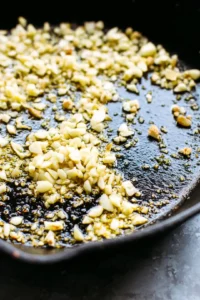
- Sautéing Aromatics: Add the garlic and ginger first, sautéing them for about 1 minute until fragrant. This step releases the oils and flavors—don’t let it burn! Stir frequently to ensure even cooking—your kitchen will smell divine!
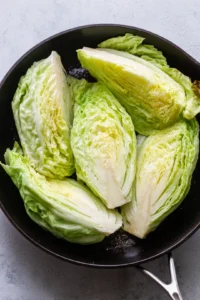
- Incorporating the Cabbage: Layer your cabbage wedges in the pan; it’s vital for even cooking. Turn them occasionally for about 5 minutes until they begin to soften—this caramelization step is crucial to achieving that succulent flavor.
- Adding Liquids: In a bowl, mix your miso paste with vegetable broth, soy sauce, and rice vinegar. Pour this glorious mixture over the cabbage, ensuring every wedge is coated in flavor. This is where the magic really begins!
Simmering to Perfection
- Adjusting Heat: After you cover your pan, reduce the heat to low; a gentle simmer allows flavors to meld beautifully without overcooking the cabbage. The slow cooking really enhances the sweet, earthy notes of the cabbage.
- Monitoring the Braising Time: The recommended simmering time is about 25 minutes. If you prefer crisper cabbage, check for doneness around the 20-minute mark, as personal preferences vary widely!
- Testing for Doneness: Perfectly braised cabbage should be tender but still hold its shape. A fork should easily pierce through without falling apart, indicating you’ve hit that sweet spot.
Flavor Customizations
Herby Infusions
- Adding Fresh Herbs: Consider introducing fresh herbs like thyme or basil during the last few minutes of cooking for a burst of freshness. Finishing with fresh herbs elevates the dish to a new level of vibrance.
- Using Spice Blends: Want a twist? Consider adding a touch of five-spice powder or chili flakes for some heat. A little kick can transform your miso-braised cabbage into something extraordinary!
Miso Variations
- Experimenting with Different Miso Combinations: Don’t hesitate to mix white and red misos for a complexity that’s truly divine. Adjust the ratios based on your taste preferences, creating a signature flavor all your own.
- Tips on Mixing Miso: If you’re feeling adventurous, try creating your own blend by adding tahini or nut butter for a richer sauce. The creaminess can create an exceptionally delicious twist!
Serving Suggestions
Accompaniments
- Best Grains and Sides: Serve this dish over fluffy rice or quinoa to soak up the delicious sauce and complete your meal. Side dishes like steamed asparagus or roasted sweet potatoes would complement the cabbage beautifully.
- Role of Garnishes: A sprinkle of sesame seeds and sliced scallions adds not just flavor and crunch, but also visual appeal to your meal. A fresh touch can elevate even the simplest dishes.
Meal Pairings
- Creating Balanced Plates: For a protein hit, consider serving alongside marinated tofu or tempeh that has been infused with soy sauce and ginger. This cohesion in flavor profiles creates a harmonious dining experience.
- Wine or Beverage Suggestions: An off-dry Riesling or a refreshing iced green tea can beautifully balance the umami richness of this dish, making for a delightful pairing.
Nutritional Insights
Health Benefits of Cabbage
- Cabbage is bursting with vitamins K and C, supporting bone health and boosting the immune system. According to the USDA, “one serving of cabbage can offer more than 50% of the daily requirement for vitamin C.” How wonderful is that?
- It’s also a good source of fiber that aids in digestion, helping to maintain a healthy gut.
Dietary Considerations
- Tips for Gluten-Free or Low-Sodium Adaptations: Use tamari instead of soy sauce and low-sodium vegetable broth to make this dish more accessible for various dietary needs. Your friends with dietary restrictions will appreciate the flexibility!
- Vegan-Friendly Options: All ingredients in this recipe are plant-based and fit perfectly into a vegan lifestyle, ensuring that everyone at your table can enjoy this delightful dish.
Tips for Success
Common Mistakes to Avoid
- Rushing the Cooking Process: Patience is key! Allowing your cabbage to braise slowly means richer flavors and delightful texture—don’t rush it!
- Ignoring the Importance of Seasoning at Each Step: Taste and adjust your seasonings as you go; this will enhance the overall experience and ensure every bite is flavorful. This chefly practice transforms good dishes into great ones!
Storage Tips
- Best Practices for Storing Leftovers: Store any unused cabbage in a sealed container, using it within a few days to preserve its freshness!
- Reheating Methods: Gently reheat on the stovetop with a splash of water or broth to maintain the cabbage’s delicate texture. Avoid the microwave if possible, as it can turn your lovely dish mushy.
Sustainability Focus
Embracing Root-to-Stem Cooking
- Benefits of Using All Parts of the Vegetable: This approach isn’t just about cooking; it’s a mindful way to reduce waste while maximizing flavors and nutrition. Plus, it allows you to experiment and innovate, creating a delightful array of dishes!
- Creative Ways to Incorporate Leftovers: Use leftover cabbage in salads, slaws, or even smoothies. Remember, the roots of our cooking traditions often hold the most flavor!
FAQs
What is root-to-stem cooking?
Root-to-stem cooking is a sustainability practice that utilizes the entire vegetable, reducing waste and maximizing flavor. This approach allows you to consume not just the edible part but also the peel, stem, and leaves, often incorporating them into delicious recipes like miso-braised cabbage.
How do you prepare cabbage for braising?
To prepare cabbage for braising, remove any damaged outer leaves and core. Cut the cabbage into wedges or chunks for even cooking. Sauté it briefly in oil before adding liquid, such as broth or miso, and braise it on low heat until tender, enhancing its natural sweetness.
What are some creative ways to use cabbage?
Cabbage is incredibly versatile! You can use it in salads, slaws, stir-fries, or as a wrap. You can also ferment it for sauerkraut, roast it for a delicious side, or incorporate it into soups and stews for a hearty texture and flavor boost.
What do you serve with miso-braised cabbage?
Miso-braised cabbage pairs beautifully with rice or quinoa for a wholesome meal. You can also serve it alongside grilled proteins, like tofu or tempeh, and complement it with a side of pickled vegetables to amplify the dish’s flavors and textures.
What are the health benefits of cabbage?
Cabbage is low in calories but high in vitamins C and K, fiber, and antioxidants. It supports digestive health, is anti-inflammatory, and may help reduce the risk of chronic diseases, making it a nutritious choice for plant-based diets.
Conclusion
As we wrap up our journey into the world of root-to-stem cooking with this delightful miso-braised cabbage, remember how easy it is to elevate simple ingredients into something truly memorable. Utilizing fresh, vibrant veggies not only enhances flavor but also enriches our meals with essential nutrients. I invite you to experiment with different miso varieties and seasonings to tailor the dish to your liking, and don’t hesitate to explore creative ways to use every part of these beautiful vegetables.
May this recipe inspire you to take cooking slow, savor each step, and relish the abundance of flavors that emerge. Happy cooking, and may your kitchen always be filled with warmth and balance!
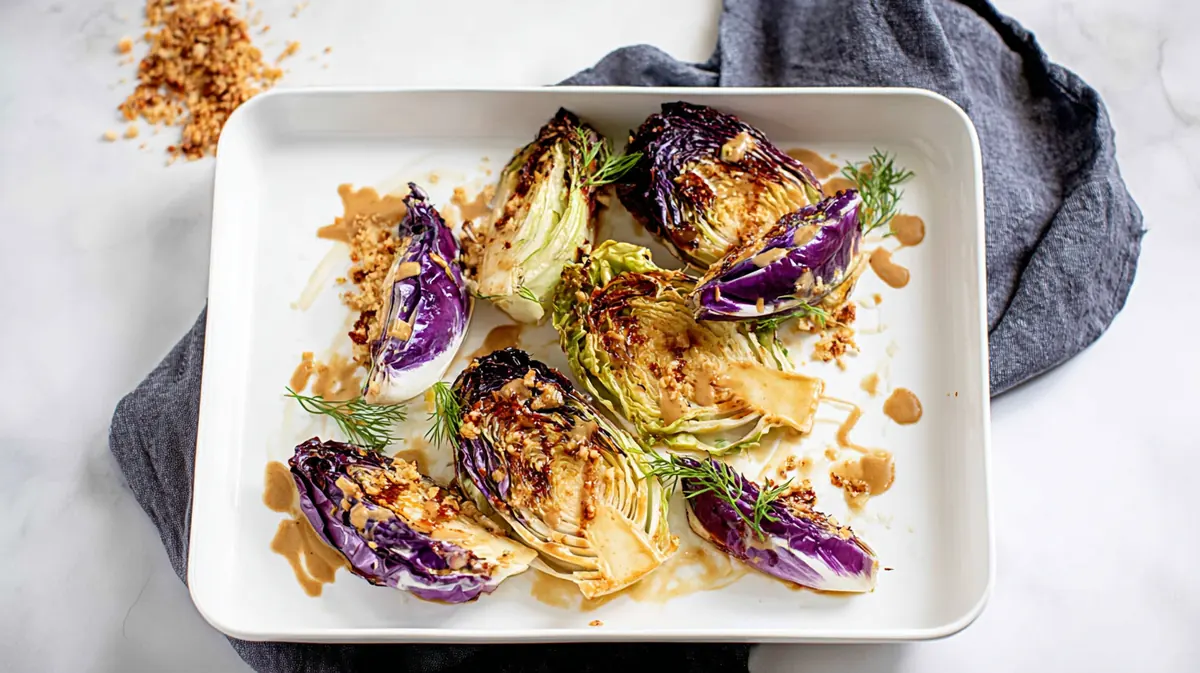
Savor Root-to-Stem Miso Braised Cabbage Today!
Ingredients
Method
- In a large skillet, heat the olive oil over medium heat. Add the garlic and ginger, sautéing until fragrant, about 1 minute.
- Add the cabbage wedges and cook until they start to soften, about 5 minutes, turning occasionally to ensure even cooking.
- Stir in the miso paste, vegetable broth, soy sauce, and rice vinegar. Cover and let simmer for 25 minutes, until the cabbage is tender and absorbed the flavors.