Delicious High-Fiber Sourdough Flatbread Recipe
Are you ready to transform your sourdough game? Picture yourself biting into a warm, nutty flatbread that’s not only delicious but also packed with fiber—perfect for the health-conscious foodie!
In this post, I’ll guide you through my tried-and-true recipe for High-Fiber Sourdough Flatbread, complete with insider tips that will elevate this simple bread into something truly special. So, get your apron on, because we’re about to embark on a delightful journey of flavor and nutrition, one knead at a time!

Table of Contents
Cooking Notes & Tips
These handy tips will not only elevate your sourdough flatbread but also make it utterly delightful. Let’s create a masterpiece that’s high in fiber and bursting with flavor right from your kitchen!
- Sourdough Starter Quality: The strength of your starter dictates the rise and texture of your flatbread. A bubbly, active starter will yield the best results, so be sure to feed it at least 4-6 hours before starting your process. In my kitchen, I love giving it an extra boost with a tablespoon of whole grain flour during feeding for added nutrients and vigor.
- Whole Grain Flour Choices: Don’t shy away from experimenting with diverse whole grain flours like spelt, rye, or einkorn. Each variety adds its own unique flavor and nutrition, enriching your flatbread’s fiber profile while creating a nutty, earthy taste. I’ve discovered that blending different flours can truly open up new depths of flavor, making each loaf a delightful surprise!
- Flax and Chia Seeds: Incorporating seeds like flax or chia not only ramps up the fiber but also contributes essential omega-3 fatty acids. Just soak them in water for about 10 minutes before adding to the dough for enhanced hydration. My tip? Mix your seeds into the dry ingredients first to ensure even distribution throughout the dough.
- Resting Time is Key: After mixing your dough, allow it to rest for longer than you think! Aim for a 30-minute to 1-hour resting time to help develop gluten, resulting in a more tender and elastic flatbread. I always use this time to tidy up the kitchen—it truly makes the whole process feel smoother and more enjoyable!
- Don’t Skip the Steam: If you desire a crusty exterior, place a pan of hot water in your oven while baking. The steam creates a perfect crust, making every bite satisfyingly chewy and wonderful!
- Serve with Style: This flatbread is remarkably versatile! Serve it warm, topped with hummus or a fresh vegetable spread. You can also cut it into strips for dipping or use it as a wrap for your favorite fillings. I often whip up a quick garlic dip to pair with it—trust me, it’s an absolute game changer!
- Avoid Overworking the Dough: When mixing, aim for just enough incorporation. Overworking can make the flatbread tough, defeating the purpose of crafting a light and airy texture.
Ingredients You’ll Need
Essential Ingredients
- Active sourdough starter: This is the heart of your bread, bringing a delightful tang and contributing to that fabulous, airy texture. Without a lively starter, your flatbread won’t rise as beautifully, so ensure it’s bubbly and active before you start!
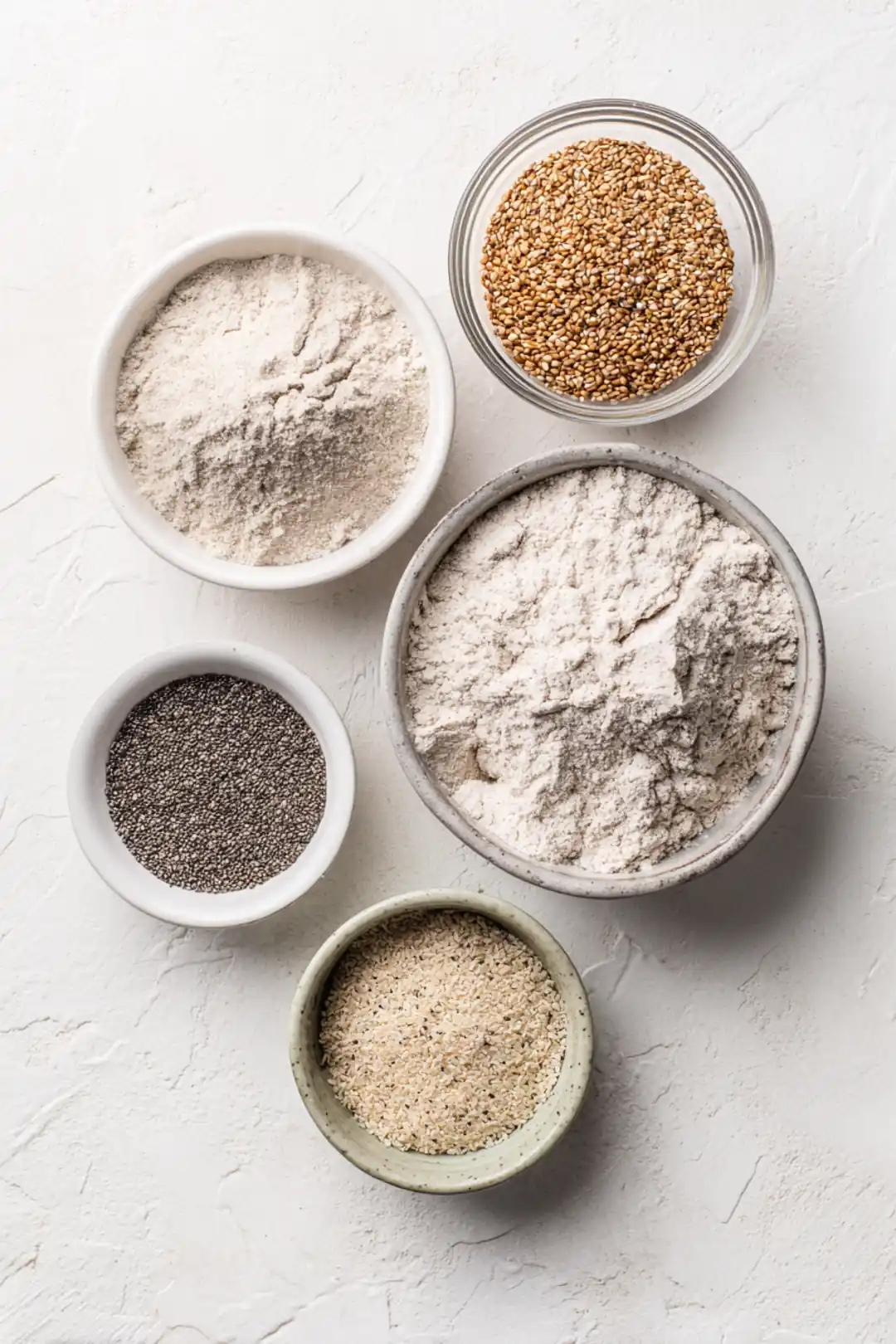
- Whole grain flour: Use a blend of spelt, rye, or einkorn flour. Each offers unique flavor profiles while providing a fiber boost, making your flatbread not just tasty but nutritious as well!
- Water: Lukewarm water is essential for activating your starter and hydrating the flours. The right temperature makes all the difference in getting that lovely fermentation going! Aim for it to feel slightly warm to the touch—that’s my sweet spot!
- Salt: A crucial ingredient that enhances flavor and strengthens the dough. Salt not only elevates the taste; it also controls fermentation speed, leading to better texture in your final product.
Optional Ingredients
- Flax seeds: A fantastic source of omega-3s and fiber, these little seeds can deliver a powerful nutritional boost!
- Chia seeds: These tiny powerhouses add crunch and a nutritional uplift with their fiber and healthy fats.
- Herbs and spices: Don’t forget to consider adding fresh rosemary or ground garlic for an aromatic burst of flavor. A touch of zest can go a long way in enhancing your flatbread!
Preparing Your Sourdough Starter
Importance of a Healthy Starter
“A strong starter leads to strong bread.”
Give it the love and care it deserves! A well-fed starter will reward you with beautifully risen and flavor-rich flatbread that you can be proud of.
Feeding Your Starter
For optimal results, feed your starter about 4-6 hours before you plan to bake. Ensuring it’s bubbly and primed will certainly elevate your dough, translating into a delightful flavor profile in your high-fiber sourdough flatbread.
Choosing Your Whole Grain Flour
Types of Whole Grain Flour
Each type of whole grain flour brings unique characteristics to your bread. Spelt flour offers a mild, slightly sweet flavor, making it an excellent balance for your flatbread. Rye flour lends a robust taste, adding to the rustic charm that many bakers adore. Lastly, einkorn, the oldest cultivated wheat, adds a nutty quality while packing a whole bunch of nutrition!
Nutritional Benefits
The fiber content in whole grain flours is impressive. For example, spelt contains about 4g of fiber per 100g, while rye has even more. Incorporating these flours into your flatbread enriches it, making it not only delicious but also a superb, nutritious choice for health-conscious bakers.
*Remember, the more fiber you consume, the better your digestion and sustained energy levels will be!*
Mixing the Dough
Steps for Mixing
In a large mixing bowl, combine your chosen flours with lukewarm water and your active starter. Stir until a soft, cohesive dough forms, allowing your perfect high-fiber sourdough flatbread to come to life!
Hydration and Texture Tips
The temperature of your water should be lukewarm (around 80°F / 27°C). This temperature helps activate your starter without harming the yeast. Pay close attention to the dough’s consistency; it should be slightly tacky but not sticky. If it feels too dry, add a bit more lukewarm water—adjust as needed until it reaches that ideal texture!
Resting the Dough
Why Resting Matters
Allowing your dough to rest is crucial for gluten development, creating a better texture. Think of this resting period as a little spa day for your dough, enhancing its elasticity and making it so much easier to shape.
Recommended Resting Times
Let the dough rest for 30 minutes to 1 hour. Cover it with a clean kitchen towel to retain moisture. This will give your sourdough flatbread its lovely rise before the baking magic begins!
Shaping and Baking the Flatbread
Shaping Techniques
Divide your rested dough into four equal parts. Roll each piece gently into a flatbread shape, aiming for about ¼ inch thick. Remember, this is rustic bread—don’t worry about achieving perfectly round shapes!
Baking Instructions
Preheat your oven to 450°F (232°C). Bake each flatbread for 20 minutes or until they are lightly browned. As they bake, enjoy the enchanting aroma filling your kitchen—it’s a beautiful reminder that you’re creating something special!
Adding Steam
For a crustier texture, introduce steam into your oven. Place a shallow pan with hot water on the bottom rack while baking. This will help create that irresistible crunch on the outside of your high-fiber sourdough flatbread.
Serving Suggestions and Pairings
Versatile Serving Options
Your flatbread is a blank canvas! Serve it warm alongside hummus, use it as a base for wraps, or pair it with your favorite dips or soups for a hearty meal. The pairing possibilities are truly endless!
Flavor Enhancements
Consider adding toppings like roasted vegetables, fresh herbs, or a drizzle of olive oil for an added touch of flair. Not to mention, a sprinkle of sea salt just before serving brings all the flavors to life—it’s the little things that make a big difference!
Common Mistakes to Avoid
Overworking the Dough
Be cautious of over-kneading your dough; this can create a dense flatbread. A gentle hand is key to maintaining that sought-after lightness that everyone loves.
Ignoring Rest Times
Skipping the resting phase can result in flatbread that lacks texture and flavor. Make resting a non-negotiable step in your baking process for the best results.
Nutritional Insights
Health Benefits of High Fiber
High-fiber diets come with numerous benefits, including improved digestion and sustained energy levels. As noted by the Mayo Clinic,
Author“Fiber helps regulate the body’s use of sugars, helping to keep hunger and blood sugar in check.”
Comparing Flatbreads
When stacked against regular flatbreads, this high-fiber sourdough version stands out nutritionally. Not only does it contain more dietary fiber to support digestive health, but its whole grain ingredients provide essential nutrients that refined products simply can’t match.
Additional Tips for Success
Experimenting with Seeds
For that extra fiber, don’t hesitate to incorporate seeds like pumpkin or sunflower. They add both nutrition and a delightful crunch! In my experience, toasting them lightly beforehand enhances their flavor significantly.
Customizing Flavor Profiles
Feel free to adjust seasonings to your taste. A pinch of smoked paprika or a dash of cumin can completely transform your flatbread into something truly extraordinary. Let your creativity shine and discover your signature flavor!
FAQs
How to get more fiber in sourdough bread?
To increase fiber in sourdough bread, use whole grain flours such as whole wheat or spelt. Incorporating seeds like flaxseed or chia also significantly boosts the fiber content. Adding bran works wonders as well for achieving greater levels of dietary fiber while maintaining that delightful sourdough taste.
Is sourdough flatbread healthier than regular flatbread?
Yes, sourdough flatbread is generally healthier due to its fermentation process, which enhances nutrient absorption. It often contains more fiber, supporting digestive health, while also having a lower glycemic index compared to regular flatbreads.
What sourdough bread has the most fiber?
Whole grain sourdough breads typically have the highest fiber content. Look for brands that specifically mention whole wheat or multi-grain ingredients. Homemade options allow you to incorporate high-fiber add-ins like seeds or oats, making them even better!
Are there health benefits to high-fiber sourdough flatbread?
High-fiber sourdough flatbread offers several health benefits, including improved digestion and better blood sugar control. Its fiber can help keep you full longer, potentially aiding in weight management, and the fermentation process makes it easier to digest than other types of bread.
Can I use alternative flours for high-fiber sourdough flatbread?
Absolutely! You can use alternative flours such as almond, oat, or spelt to create high-fiber sourdough flatbread. These options add unique flavors and textures while enhancing the nutritional profile. Just remember to adjust liquid ratios as needed for the best results.
Conclusion
Creating a high-fiber sourdough flatbread is not just a baking task; it’s an experience that beautifully blends health and flavor. By choosing a bubbly sourdough starter and exploring whole grain flours, you’re setting the stage for a delicious, nutrient-rich treat that the whole family will adore. Remember, taking the time to let your dough rest and treating it with care will yield a light, airy result you can take pride in.
As you embark on this exciting baking journey, don’t hesitate to add your personal touch with optional ingredients or spices. Each loaf you create is an opportunity to bring warmth and balance to your meals. So roll up your sleeves, preheat that oven, and let the delightful aroma of freshly baked flatbread fill your kitchen—it’s a love letter to your taste buds! Happy baking!

Delicious High-Fiber Sourdough Flatbread Recipe
Ingredients
Method
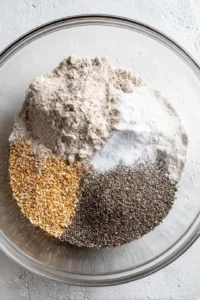
- In a large mixing bowl, combine the whole wheat flour, spelt flour, ground flaxseed, chia seeds, sesame seeds, and salt. Mix until well combined.
- Add the lukewarm water and active sourdough starter to the dry ingredients. Stir until a soft dough forms, then let it rest covered for about 30 minutes.

- Preheat your oven to 450°F (232°C). Divide the dough into 4 equal parts and roll each part into a flatbread shape. Bake for 20 minutes or until lightly browned and cooked through. Let cool slightly before serving.