Indulge in Brown Butter Carrot Cake with Cream Cheese Frosting!
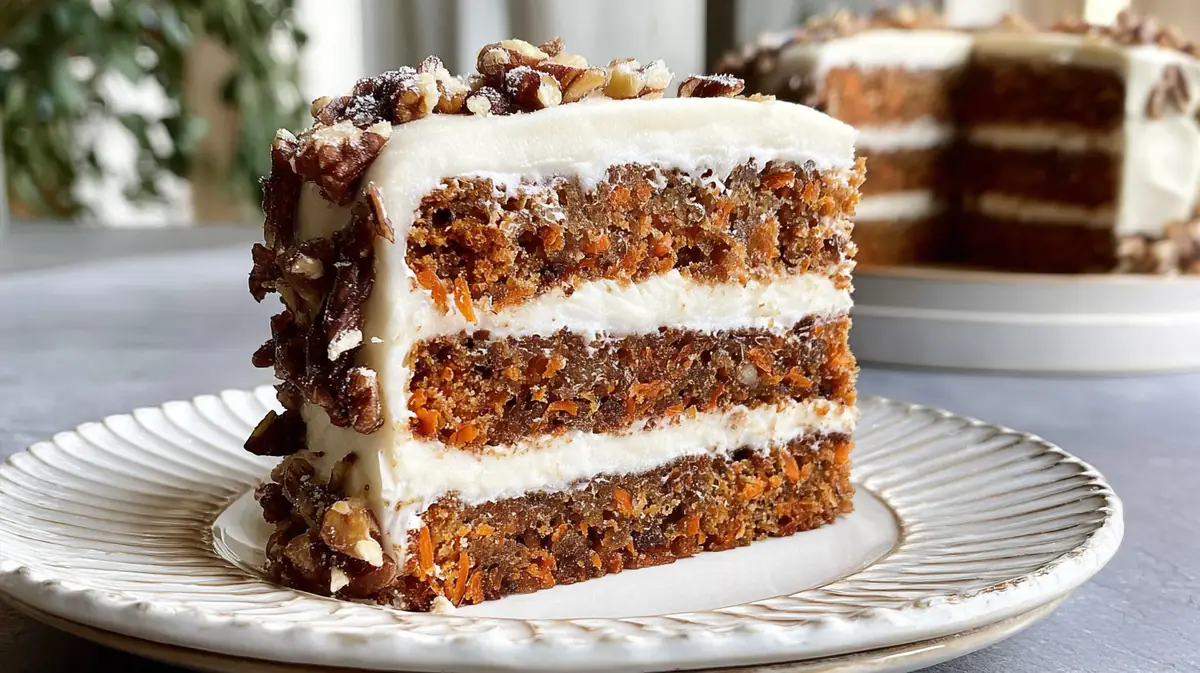
Have you ever tasted a cake that feels like you’re wrapped in a warm hug? That’s the magic of my Brown Butter Carrot Cake with Cream Cheese Frosting! Picture this: a moist cake with a hint of nuttiness, perfectly paired with a luscious, creamy frosting that transforms each bite into pure bliss.
Today, I’m diving deep into the art of baking this delightful treat. You’ll not only learn how to whip up this crowd-pleaser but also uncover my top tips for elevating each component, from that glorious brown butter to frosting perfection. Let’s roll up our sleeves and bring this heavenly dessert to life together!
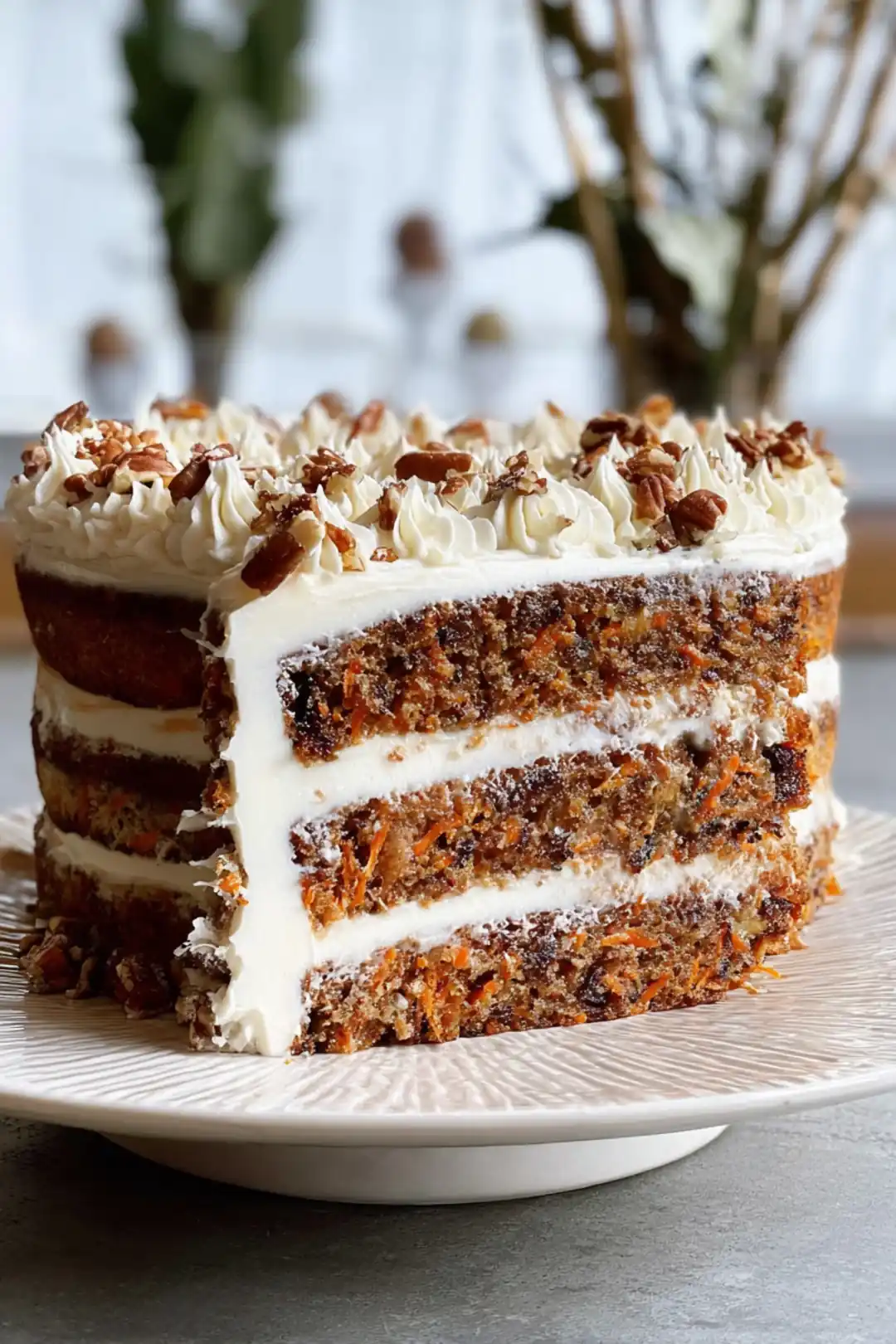
Table of Contents
Why You’ll Love This Recipe
These heartfelt notes are crafted for you, ensuring your brown butter carrot cake journey is as delightful as each bite. Let’s sprinkle in some love and tips that will elevate your baking game and leave your loved ones in awe.
- Brown Butter Brilliance: Don’t rush the brown butter process! The nutty aroma it brings not only deepens the flavor of the cake but also adds a sophisticated touch that elevates your baking game. In my kitchen, I always take a moment to enjoy that heavenly scent — it’s worth the wait!
- Carrot Grating Technique: Opt for finely grating your carrots. This not only helps them blend seamlessly into the cake but also ensures each slice is moist and packed with that sweet, earthy flavor. Remember, a smooth texture is what we’re after!
- Egg Temperature Matters: Using eggs at room temperature allows for better emulsification, resulting in a fluffier cake — because who doesn’t love a light and airy texture?
- Cream Cheese Perfection: When whipping up the frosting, ensure your cream cheese is softened and free of lumps. This creates a smooth, dreamy frosting that perfectly complements the cake’s richness. A quick whip of the cream cheese before adding any sugar helps achieve that ideal texture!
- Spice it Up: While the recipe calls for classic cinnamon, don’t hesitate to introduce a pinch of nutmeg or ginger for a warm, aromatic twist that makes your cake distinctive and memorable.
- Storage Smarts: Keep your cake in an airtight container for up to four days. If you want to enjoy it for longer, freeze it without frosting for a later treat, ensuring those wonderful flavors are always on hand!
- Presentation Pointers: When serving, dust the top lightly with powdered sugar for an elegant finish. Pair it with a dollop of freshly whipped cream for an extra indulgence — because you absolutely deserve it!
Are you ready to dive into the baking process? Let’s make that dreamy brown butter carrot cake with cream cheese frosting together!
Ingredients for Brown Butter Carrot Cake
Key Ingredients
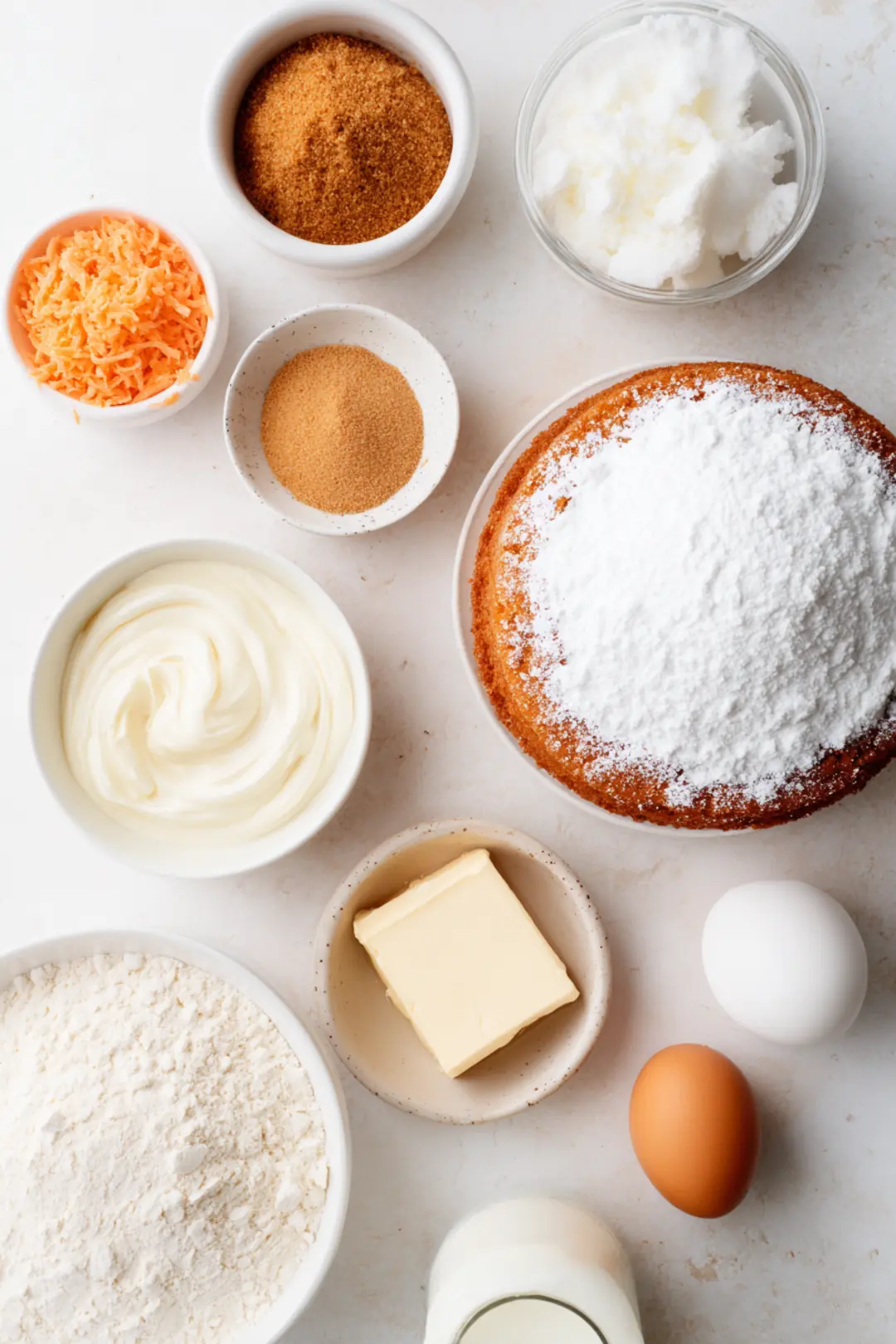
- Flour, Baking Soda, Baking Powder, Spices: Begin with all-purpose flour as your foundation. The dual action of both baking soda and baking powder ensures your cake rises beautifully and emerges fluffy from the oven. Adding spices like ground cinnamon and nutmeg imbues warmth and richness into every delicious bite. Don’t forget to whisk these dry ingredients together first – this step evenly distributes the leavening agents, promoting a consistent rise.
- Fresh Carrots: Why Fresh and Finely Grated Matters: The heart of a carrot cake is, of course, the carrots. Fresh carrots contribute sweetness while ensuring moisture, which is key for our cake’s tender texture. Be sure to finely grate the carrots with a box grater or a food processor. Larger chunks can disturb that lovely, soft crumb we strive for!
- Eggs: Room Temperature is Key: Trust me, using room-temperature eggs can change the game! They mix seamlessly with your other ingredients, creating a smooth, well-emulsified batter. Just let the eggs sit out for about 30 minutes before baking; it’ll be worth it.
- Brown Butter: Step-by-Step Guide to Browning: Now, let’s get to the star of the show: brown butter! Melt your butter in a saucepan over medium heat, stirring constantly. As it foams, keep an eye out for that delightful nutty aroma and golden color — that’s when it’s ready. Brown butter adds a depth of flavor to your cake that standard butter simply can’t match!
- Sugar: Brown vs. Granulated – What’s Best?: A blend of brown and granulated sugar is magic here. Brown sugar brings a hint of caramel sweetness and helps retain moisture in the cake. Meanwhile, granulated sugar provides the necessary sweetness. Together, they give us the best of both worlds!
- Optional Mix-Ins: Nuts, Raisins, or Pineapple: Feel adventurous with your carrot cake! While the classic flavor profile is delightful, consider adding chopped walnuts or pecans for a crunchy texture, plump raisins for a natural sweetness leap, or crushed pineapple for a surprising burst of moisture. The world is your oyster—or in this case, your carrot cake!
Substitutions and Alternatives
- Gluten-Free Options: Flour Alternatives: If gluten is a concern, no problem! Almond flour or a gluten-free all-purpose blend can work beautifully. Just don’t forget to sprinkle in a bit of xanthan gum to help mimic the structure of wheat flour.
- Dairy-Free Considerations: Substituting Cream Cheese: For those who prefer to avoid dairy, swap cream cheese with a plant-based alternative or whip up a smooth cashew cream frosting. Both options will maintain that creamy finish we love!
- Sweetener Alternatives for Health-Conscious Bakers: Looking for a healthier spin? Consider using coconut sugar or a sugar substitute like Stevia. Just keep in mind that alternative sweeteners can affect moisture and texture, so be ready to adjust your recipe slightly.
Baking Steps for Perfect Carrot Cake
Step-by-Step Instructions
- Preparing Your Ingredients: Mise en Place: As the French say, “everything in its place.” Gather and measure all your ingredients before diving into the mixing. You’ll find the process smoother and even more enjoyable!
- Making the Brown Butter: Watch for the Aroma!: Don’t get distracted! Brown butter isn’t just about those lovely golden hues; it’s all about the rich, nutty aroma. Keep your focus on this sensory cue to get it just right.
- Combining Dry Ingredients: The Right Order Matters: Start by whisking your flour, baking powder, baking soda, and spices in one bowl and your sugars in another. Gradually mixing your dry ingredients together helps prevent clumping. Even distribution is crucial for the best rise!
- Mixing Wet Ingredients: The Role of Emulsification: When it’s time to combine the wet and dry mixtures, do so gently. As I often remind my culinary students, “Mix until just combined; overmixing is a cake’s worst enemy!” We want that airy texture, not a tough crumb.
- Gently Folding in Carrots: Avoiding Overmixing: When folding in your beautifully grated carrots, use a spatula and move gently! This way, you keep the lightness of your batter intact while allowing the carrots to spread evenly.
Common Baking Mistakes to Avoid
- Overbaking: Signs Your Cake is Done: Watch your cake carefully; it’s done when a toothpick inserted in the center comes out clean with a few crumbs. If you spot wet batter, give it a few more minutes. Remember, patience is key!
- Underestimated Cooling Time: Why Patience Pays Off: Allow your cakes to cool in their pans for at least 10 minutes before transferring them. Rushing this step can lead to crumbling or an unstable base when it’s time to frost. Trust me, taking your time pays off!
Creating Cream Cheese Frosting
Essential Ingredients for the Frosting
- Choosing the Right Cream Cheese: Full-Fat vs. Low-Fat: For a frosting that sings in terms of texture, always reach for full-fat cream cheese. Low-fat versions just don’t deliver the creamy finish that’s essential for the lavish topping we all adore.
- Butter: Impact on Texture and Flavor: Use unsalted butter that’s been brought to room temperature. This ensures a smooth, spreadable consistency that maintains its shape when you frost the cake. No one wants a puddle of frosting sliding off the side!
Step-by-Step Preparation
- Softening Cream Cheese: Tips for Smooth Frosting: In a hurry? Cut your cream cheese into cubes and let it sit out for 15-20 minutes. This helps it soften more quickly, making it way easier to blend into your frosting.
- Whipping Techniques for Fluffiness: Using a Hand Mixer vs. Stand Mixer: A hand mixer gives you nice control, while a stand mixer powers through and can whip more volume if you’re making a sizable batch. Regardless of the tool, whip until fluffy for that dreamy, melt-in-your-mouth texture we all yearn for.
Flavor Customizations
- Classic Vanilla vs. Zesty Lemon: Choosing Your Flavor Profile: You can’t go wrong with a splash of vanilla extract, but don’t shy away from brightening the flavor with lemon or orange zest. It’s a delightful twist that can lift the overall taste!
- Creative Additions: Chopped Nuts or Citrus Zest: Dive into the fun of adding chopped walnuts into your frosting or zesty slivers of lemon. Both will add a delightful crunch or flavor boost!
Decorating and Serving Your Cake
Presentation Ideas
- Simple yet Elegant: Dusting with Powdered Sugar: Dust your cake with powdered sugar just before serving for a beautiful finish. It’s a small touch that can have a significant impact on presentation.
- Whipped Cream Pairing: Elevate Your Dessert Experience: Serve each slice with a dollop of fresh whipped cream on the side. It perfectly balances the cake’s richness and adds an extra touch of indulgence!
Storage Tips
- Airtight Storage: Keeping Cake Fresh: Store any leftover cake in an airtight container at room temperature for up to three days. If you live in a warm climate, it might be wise to pop it in the fridge.
- Freezing Techniques: How to Store for Later Enjoyment: To freeze, tightly wrap individual slices in plastic wrap followed by foil to keep out the cold air. They can last up to three months—just thaw at room temperature for a treat that feels like it just came out of the oven!
Health Insights and Benefits
Nutritional Benefits of Ingredients
- Carrots: A Nutrient-Dense Powerhouse: Did you know that carrots are a treasure trove of vitamins A and K? They’re fantastic for vision and skin health—reminding us that sometimes desserts can indeed be good for you!
- Brown Butter vs. Regular Butter: Flavor and Health Considerations: According to the USDA, brown butter enhances flavor and might be a better option for those looking for deeper taste. Quality ingredients elevate the experience!
Wholesome Indulgence
- Balancing Comfort Food with Nutritional Choices: We can enjoy cake while keeping healthy choices in mind. Adding nutritional components to our treats transforms indulgences into truly wholesome experiences.
- Tips for Making Healthier Choices in Baking: There’s always room to reduce added sugars and incorporate fruits or natural sweeteners into your recipes. A little creativity can yield delicious outcomes that feel good to serve!
FAQs
What is brown butter and how is it made?
Brown butter, or “beurre noisette,” is made by cooking butter until the milk solids turn golden brown, giving it a nutty aroma and flavor. To make it, melt unsalted butter over medium heat, swirling the pan occasionally. This delightful butter adds a unique depth of flavor to your cake!
How to achieve the best cream cheese frosting?
The secret to perfect cream cheese frosting is using softened cream cheese and whipping it until fluffy. If it’s too thick, adjust the consistency with a splash of milk!
What variations can be made to carrot cake?
Feel free to experiment with mix-ins like nuts and dried fruits, or throw a twist into the spice profile with cardamom for a unique flavor combination.
How to store carrot cake with cream cheese frosting?
Cover any leftover cake with plastic wrap or store it in an airtight container. It will stay fresh for up to three days at room temperature, or you can freeze it for longer storage, as previously mentioned!
What are some baking tips for carrot cake?
For a moist and flavorful carrot cake, always use freshly grated carrots and don’t skip on the spices! Be sure to mix dry and wet ingredients separately before combining, and avoid overmixing to maintain tender crumb. Lastly, bake in a preheated oven and check for doneness with a toothpick for the best results.
Conclusion
In crafting your Brown Butter Carrot Cake with Cream Cheese Frosting, remember that every ingredient plays a vital role—from the warm spices to finely grated carrots. Paying close attention to detail ensures a cake that’s not just good but truly memorable. Embrace the joy of cooking, and don’t hesitate to personalize it with your favorite mix-ins or frosting twists. Whether it’s a celebration or a peaceful afternoon treat, this cake brings comfort and balance to any table. So gather your loved ones and indulge in the heartwarming delight of a delicious slice. Happy baking, and may your kitchen always be filled with the spirit of culinary adventure!
Indulge in Brown Butter Carrot Cake with Cream Cheese Frosting!
Ingredients
Method
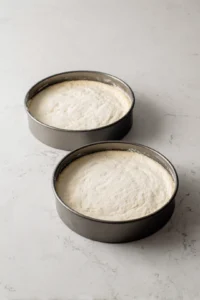
- Preheat your oven to 350°F (175°C). Grease and flour two 9-inch round cake pans.
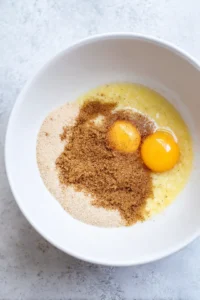
- In a large bowl, whisk together the brown butter, brown sugar, and granulated sugar until well combined. Add the eggs one at a time, mixing well after each addition.
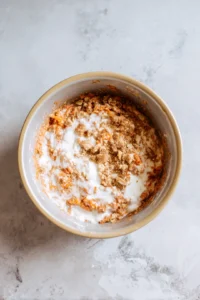
- Gradually mix in the grated carrots, yogurt, flour, baking powder, baking soda, cinnamon, and nutmeg until just combined. Pour the batter evenly into the prepared pans.
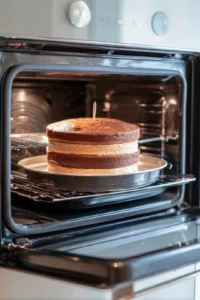
- Bake for 40-45 minutes or until a toothpick inserted into the center comes out clean. Let the cakes cool in the pans for 10 minutes before transferring to wire racks to cool completely.
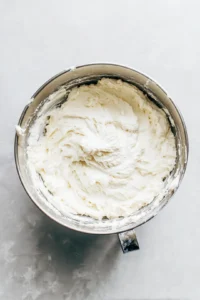
- For the frosting, beat the cream cheese and unsalted butter together until smooth. Gradually add the powdered sugar and vanilla extract. Adjust consistency with milk as needed.
- Once the cakes are completely cool, spread the frosting on the top of one layer, place the second layer on top, and frost the top and sides of the cake. Enjoy!