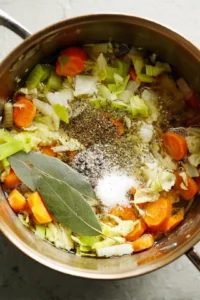
Nourish Naturally: Craft Zero-Waste Vegetable Scrap Broth!
Ever wondered how to transform yesterday’s veggie bits into a nutritious, soul-warming broth? With my Zero-Waste Vegetable Scrap Broth, you’ll unlock both flavor and sustainability—this recipe is a culinary game-changer!
In this post, I’m thrilled to share my foolproof method for crafting a rich and aromatic broth, showcasing how every vegetable scrap can come together to create something deliciously beautiful. Prepare to elevate your cooking while embracing a more sustainable kitchen! Let’s dive into the enchanting world of zero-waste cooking and turn those scraps into liquid gold.
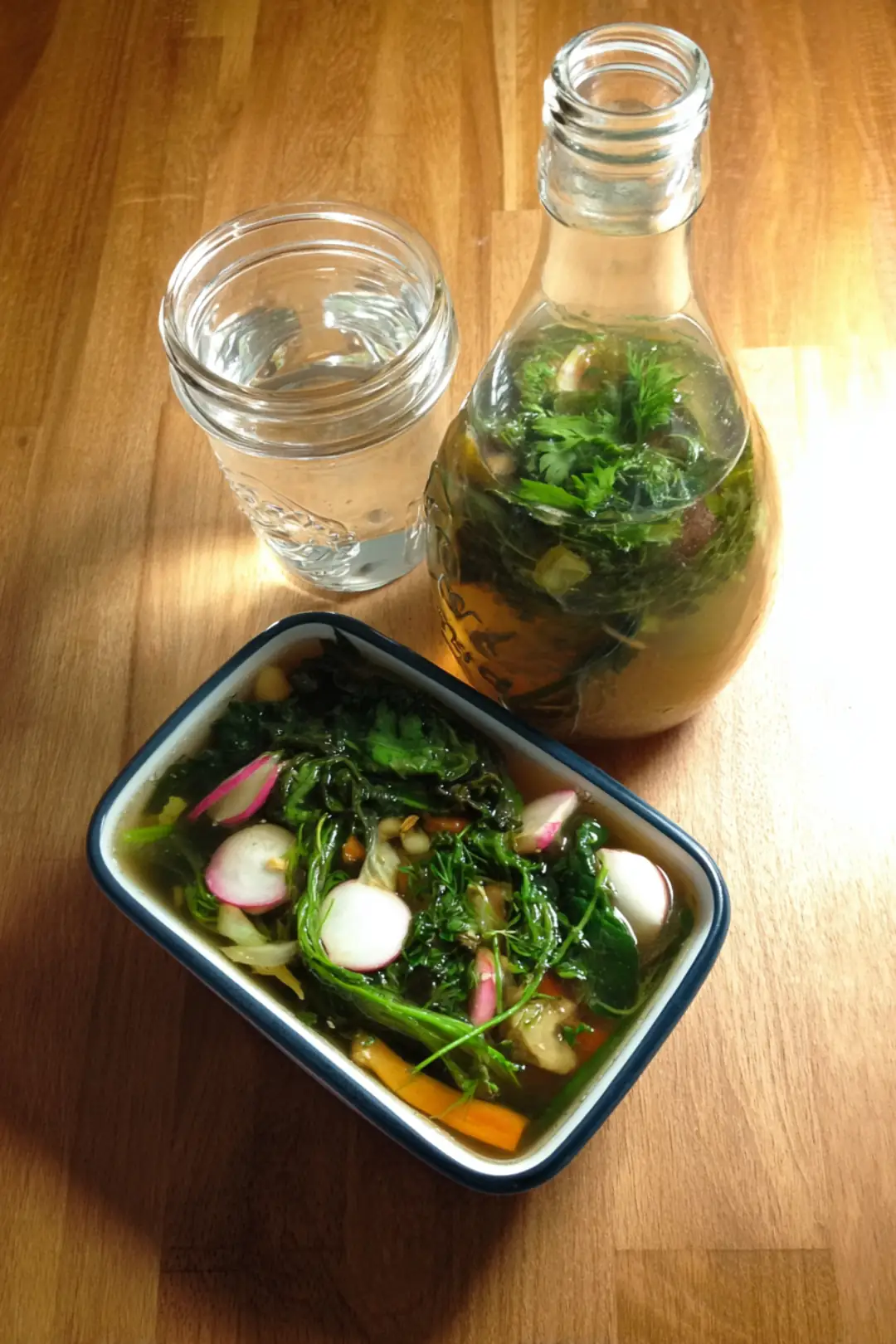
Table of Contents
Why You’ll Love This Recipe
Creating a nutrient-rich broth while minimizing waste isn’t merely a culinary skill; it’s a sustainable practice that enhances your cooking experience. Here are some key takeaways to guide you through the process of crafting my flavorful Zero-Waste Vegetable Scrap Broth.
-
Mix it Up: Feel free to incorporate scraps from a range of vegetables—such as carrot peels, onion skins, and celery ends—all of which contribute unique flavors to the pot. The more diverse your scraps, the richer and more complex your broth will be!
-
Avoid Bitterness: Be cautious about what scraps you add; steer clear of potato peels or artichoke trimmings, as these can impart an unpleasant bitterness that disrupts the delicate balance of your broth.
-
Stay Aromatic: Fresh herbs like thyme, parsley, or bay leaves can elevate your broth’s flavor profile significantly. Toss in a handful of herb stems; they carry a burst of flavor just waiting to be released!
-
Strength in Simmering: Allow your broth to simmer gently for at least an hour. This slow approach extracts the best flavors without creating bitterness—no high-heat boiling needed here!
-
Upgrade Your Storage: Once your broth is ready, store it in freezer-safe containers or ice cube trays. Having a ready-to-use flavor booster on hand minimizes waste and adds convenience.
-
Nutritional Powerhouse: Using vegetable scraps not only reduces waste but also packs essential nutrients into your broth. As the scraps simmer together, they release vitamins and minerals, maximizing health benefits and deepening your broth’s flavor.
-
Sip it Solo or Mix it In: Enjoy your broth as a warm, comforting sip or use it as a base for soups and stews. Its versatility means you’ll always have a delicious foundation for any recipe!
Now that you’ve got these essential tips, let’s jump into the steps to make your Zero-Waste Vegetable Scrap Broth!
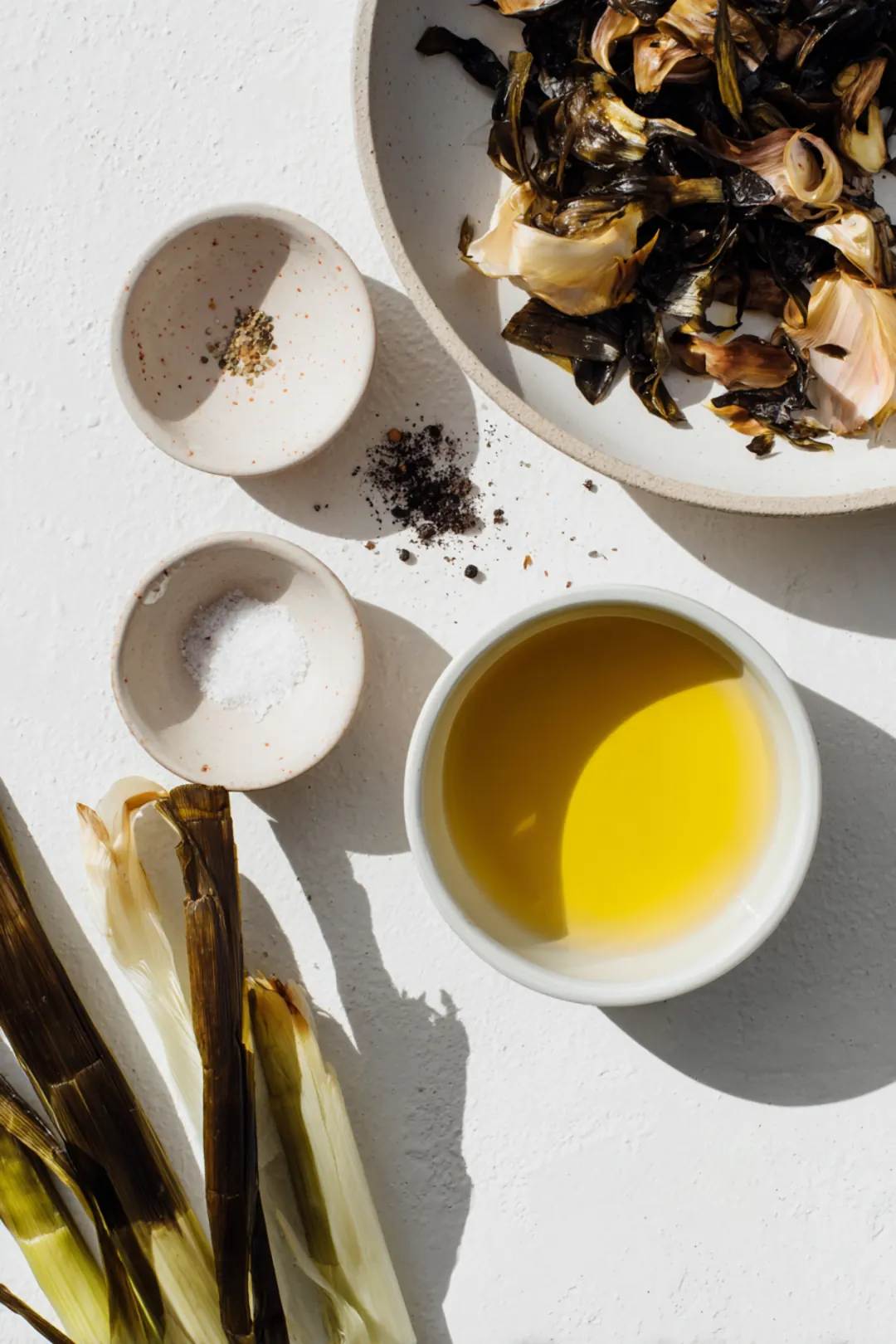
Expert Tips
Mix it Up
Embrace the joy of diversity in your kitchen! With the Zero-Waste Vegetable Scrap Glow Broth, you’re creating a vibrant tapestry of flavors. Think of colorful onion peels, the crunchy bits of carrots, and aromatic celery leaves—each scrap brings its own flair, enhancing your broth in delightful ways.
For example, onion skins add a warm, subtle depth, while carrot ends contribute a touch of natural sweetness. I like to keep a dedicated container in my freezer for gathering these bits and bobs, so they’re ready whenever inspiration strikes. Remember, the more diverse your scraps, the richer the flavor profile!
Avoid Bitterness
While we encourage culinary exploration, it’s equally important to be mindful of bitterness in your broth. Avoid scraps from certain vegetables, such as Brussels sprouts or overly woody stems—they can introduce unwanted flavors. If you’re ever unsure about a scrap’s potential, remember this advice:
“When making broth, it’s always safer to stick with flavorful veggies.”
Getting familiar with the scents and flavors of your scraps can be incredibly helpful; a quick sniff usually reveals much about their freshness and suitability!
Stay Aromatic
The aroma of your broth can elevate the whole cooking experience! Fresh herbs are fantastic for transforming your vegetable scrap broth into something truly extraordinary. Consider adding the stems of thyme or parsley; these not only heighten flavor but also infuse your broth with delightful fragrances. And don’t forget about those herb stems—toss them in! They’re often loaded with flavor, ensuring nothing from your culinary treasure chest goes to waste.
Strength in Simmering
Now, let’s talk about the simmering process: remember, low and slow is the way to go! Ideally, a gentle simmer for at least 60 minutes allows all the flavors to blend harmoniously while extracting nutrients from your scraps. Opting for high heat can lead to bitterness and cloudiness. It’s during this gentle simmer that your Zero-Waste Vegetable Scrap Glow Broth can truly shine, providing a clear, flavorful elixir perfect for soups and stews.
Upgrade Your Storage
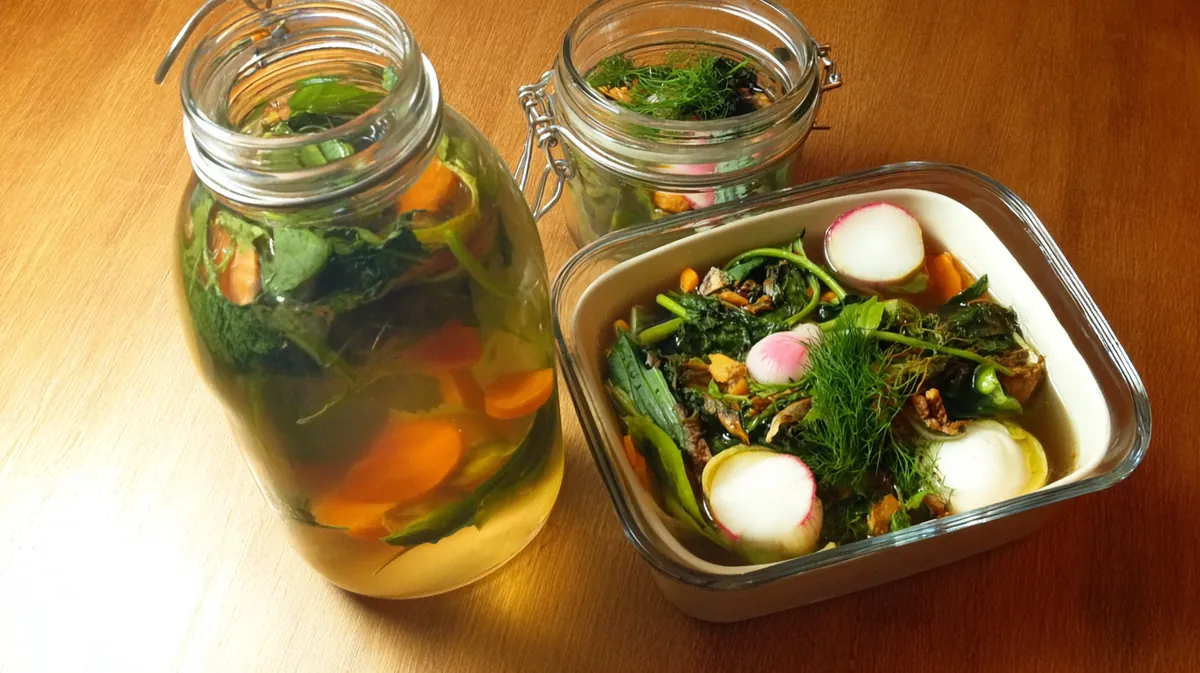
Let’s also speak about storage—convenience is key! Use freezer-friendly containers or even ice cube trays to store your delicious leftover broth. This way, you’ll have just the right amount ready whenever creativity strikes! Don’t forget to leave a bit of space in each container for expansion, and make sure to label them for easy identification. Thaw your broth in the fridge overnight or in a water bath for quick access when it’s time to whip up something scrumptious.
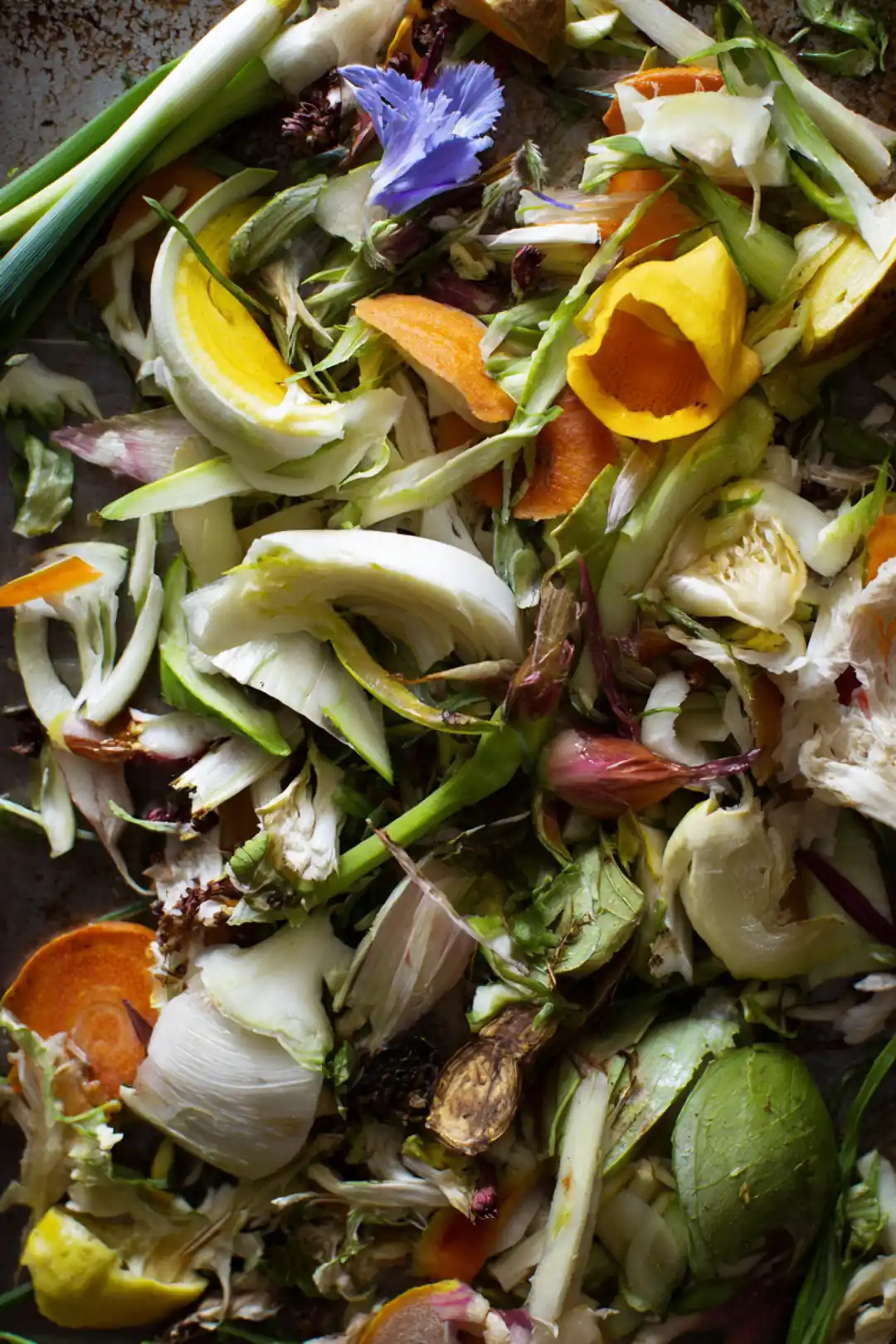
Nutritional Powerhouse
The best part? You’re creating a nutritional powerhouse! As you simmer those vegetable scraps, you’re maximizing health benefits. Essential vitamins, such as vitamin A from carrot scraps and potassium from celery stems, make their way into your broth. According to the USDA,
“Broths made from assorted vegetable scraps are low in calories and high in essential nutrients, providing both comfort and nourishment.”
Each sip supports your wellness journey while promoting sustainable cooking practices—what could be better?
Step-by-Step Guide to Making Your Broth
Ingredient Check
Before diving into your broth-making adventure, let’s gather everything you need! Essential tools include a large pot for simmering, a cutting board, and a strainer. For your recommended vegetable scraps, aim for a lovely mix that includes onion peels, carrot ends, and celery leaves to achieve that perfect balance of flavors.
Preparation Steps
Start by prepping your scraps—this is crucial! Clean them thoroughly to remove any dirt, as you want only the best for your broth. Minimize your prep time by roughly chopping the scraps, which assists in releasing their flavors during cooking. You can boost the broth’s depth by sautéing some garlic or onions before adding your veggie scraps. Just a drizzle of olive oil is all you need to let those aromas waft through your kitchen, giving your broth a beautiful flavor foundation.
Simmering Process
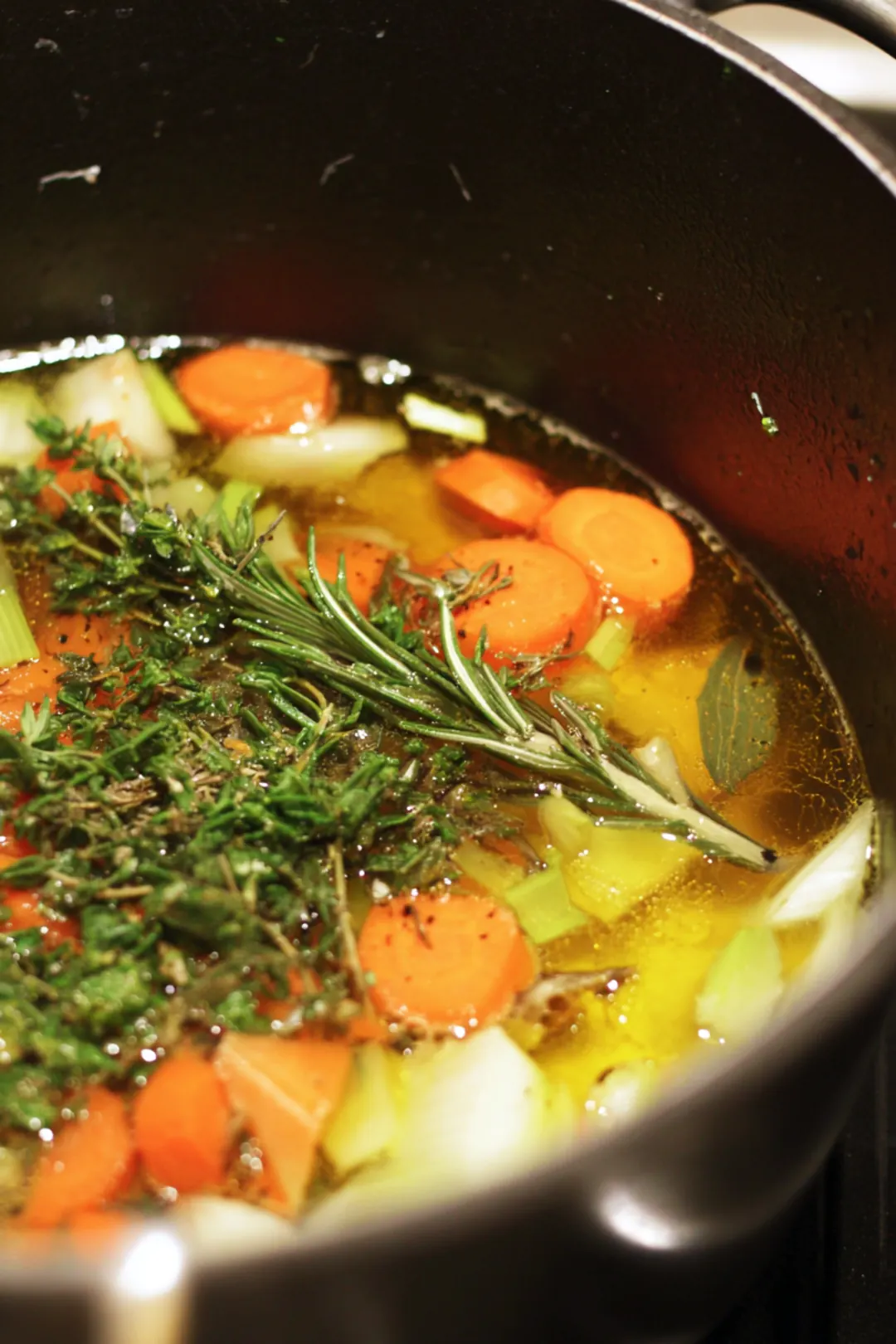
Let’s fill up your pot! A correct water-to-scrap ratio is vital for achieving that lovely zero-waste broth. Aim for four cups of water to two cups of scraps, ensuring a rich infusion. Whether you’re using the stovetop or a slow cooker, maintain that low, slow simmer—this is where the magic happens!
Flavor Customizations
Infusing Additional Flavors
Craving something extra? Consider infusing your broth with additional flavors! Optional add-ins could range from a splash of soy sauce for umami depth to a sprinkle of chili flakes for a warming kick. The key is to balance salty, sweet, and umami elements to create a complex flavor profile that will excite your taste buds!
Dietary Considerations
Have dietary restrictions? No problem! This broth can easily be adapted to suit various needs, such as gluten-free or low-sodium options. If you have any allergies, flavor substitutions can be as simple as switching out soy sauce for coconut aminos or swapping fresh herbs for dried ones. Remember, cooking should be inclusive and a canvas for your creativity!
Real-World Cooking Advice
Common Mistakes to Avoid
As you embark on your broth-making journey, be mindful of common pitfalls. Overcooking can turn your broth bitter, while undercooking might leave it bland. Trust your senses! Visually assess your broth; it should be clear and aromatic. Some scraps simply don’t hold up in broth-making, such as tough and woody vegetable parts—recognizing these can save you from a disappointing batch.
Exploring Broth Uses
Now that you have crafted your delicious broth, how can you use it? Beyond simply sipping it, consider it a versatile foundation for hearty soups, flavorful risottos, and even grain dishes! With your Zero-Waste Vegetable Scrap Broth on hand, the culinary doors are wide open, ready for you to create something extraordinary.
Cooking Tests and Comparisons
Don’t hesitate to explore! Experiment with different scrap combinations to uncover how varying flavors can affect your broth. Perhaps try simmering for shorter or longer periods; you might stumble upon surprising notes that delight your palate! This experimentation is part of the joy of cooking—so happy broth-making, friends!
Nutrition Tips (Optional)
Nutritional Facts Table
While I won’t get into a detailed nutritional breakdown here, remember that every bowl of broth you create has the potential to nourish you with vitamins and minerals from those vegetable scraps.
Encouragement to Explore
As you embark on this delicious journey, keep in mind how the USDA defines nutritious broth options. Let it inspire you! Your kitchen is your canvas—embrace the creativity and indulge in crafting unique recipes utilizing those nutrient-packed scraps!
FAQs
Can you use vegetable scraps for broth?
Absolutely! Vegetable scraps are fantastic for making broth. They not only add depth of flavor but also help utilize leftovers and reduce waste. Just ensure you wash the scraps thoroughly to remove any dirt or pesticides before simmering.
What are the benefits of vegetable scrap broth?
Vegetable scrap broth is rich in nutrients, packed with vitamins and minerals from the scraps. It promotes sustainability by reducing food waste and serves as a flavorful base for soups, sauces, and grains.
What vegetable scraps are not good for stock?
Avoid using scraps from cruciferous vegetables, like cabbage or broccoli, as they can introduce bitterness. Also, steer clear of starchy peels, like those from potatoes, which may cloud your broth.
How long to boil vegetable scraps for broth?
Simmer your vegetable scraps for about 45 minutes to 1 hour to extract maximum flavor. This timeframe allows the nutrients and essence to seep into the water, resulting in a rich and delicious broth.
How do I store vegetable scraps for broth?
Store vegetable scraps in an airtight container in the freezer until you’re ready to make broth. This method keeps them fresh and ensures you can gather enough scraps for a flavorful, zero-waste broth.
Conclusion
Creating your Zero-Waste Vegetable Scrap Broth not only serves as a delectable way to minimize waste but also offers a fantastic opportunity to explore diverse flavors and nourish your body. Each scrap contributes a unique taste, making your broth a personal culinary masterpiece. Remember to experiment mindfully, avoiding bitter scraps while infusing aromatic herbs. Simmering low and slow is essential for maximizing those rich nutrients and flavors. And don’t forget—conveniently storing your broth in portions makes it easy to incorporate into various dishes later on. So, gather those scraps, unleash your creativity, and stir up a pot of vibrant goodness. Happy cooking, fellow culinary adventurers!
Nourish Naturally: Craft Zero-Waste Vegetable Scrap Broth!
Ingredients
Method
- Start by gathering all your vegetable scraps. Ensure they are thoroughly washed beforehand to remove any dirt.
- In a large pot, heat the olive oil over medium heat. Add the vegetable scraps and sauté for about 5-7 minutes until fragrant.
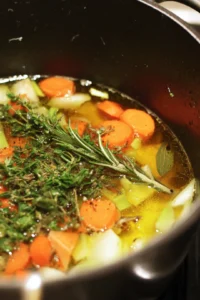
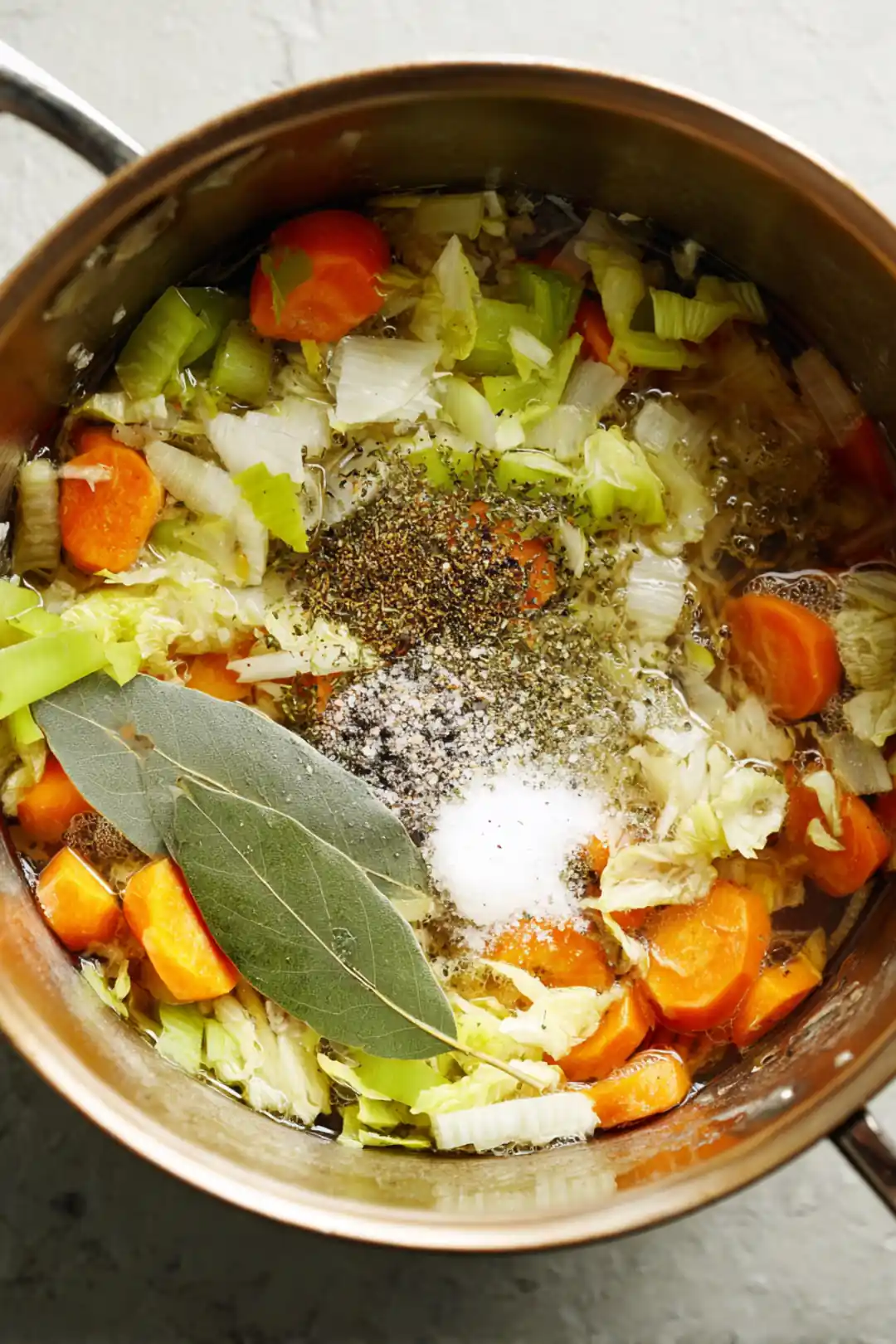
- Pour in the water and add the salt, black pepper, and bay leaf. Bring to a boil, reduce the heat and let it simmer for 60 minutes. Strain the broth before serving.