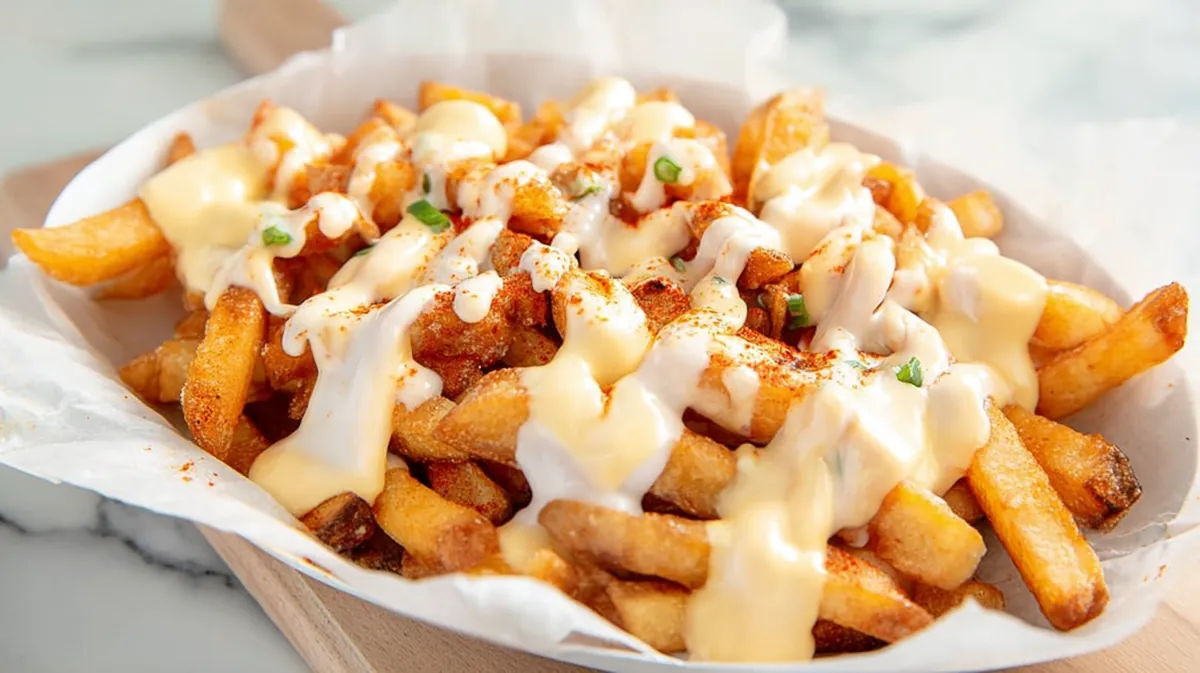
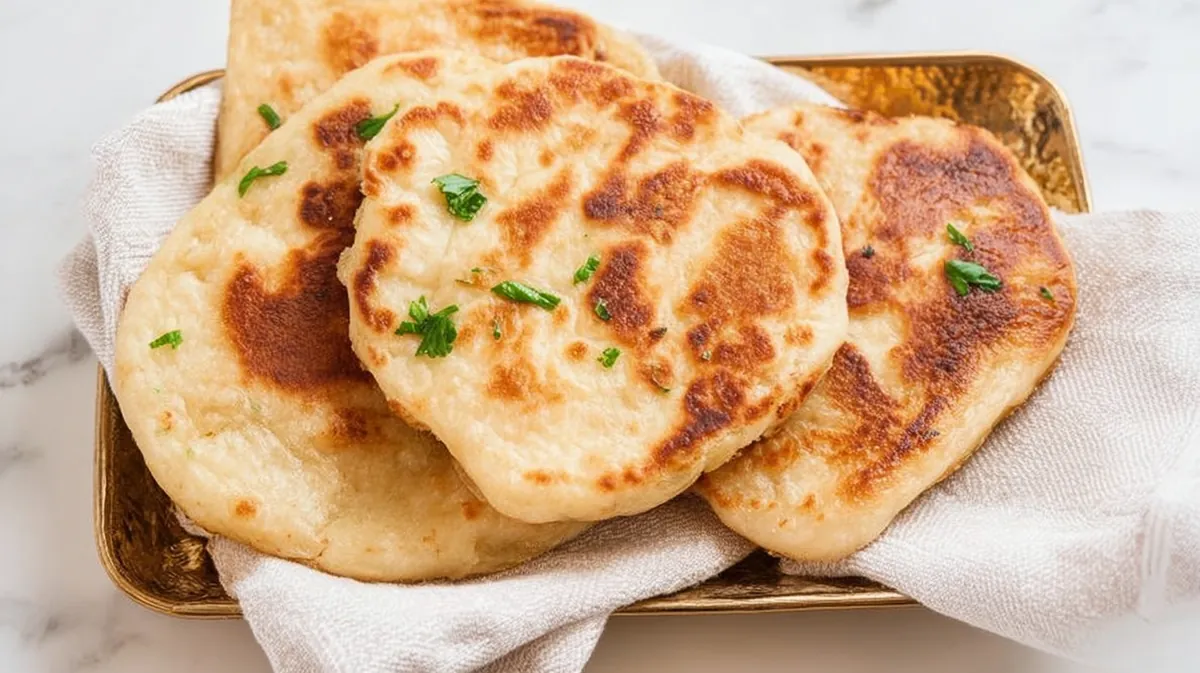
Delicious Upcycled Sourdough Discard Flatbread Recipe
Have you ever stared at your sourdough discard and thought, “What now?” You’re definitely not alone! That tangy starter is a culinary treasure, and I’m here to show you how it can be transformed into mouthwatering upcycled sourdough discard flatbread. Not only will it delight your taste buds, but it also supports sustainable cooking practices by minimizing waste.
In this post, I’m excited to share a simple yet rewarding recipe alongside expert tips that will elevate your flatbread game. Together, we’ll turn leftovers into a delicious masterpiece that’s perfect for sharing, all while embracing the art of sustainability. Let’s dive in!
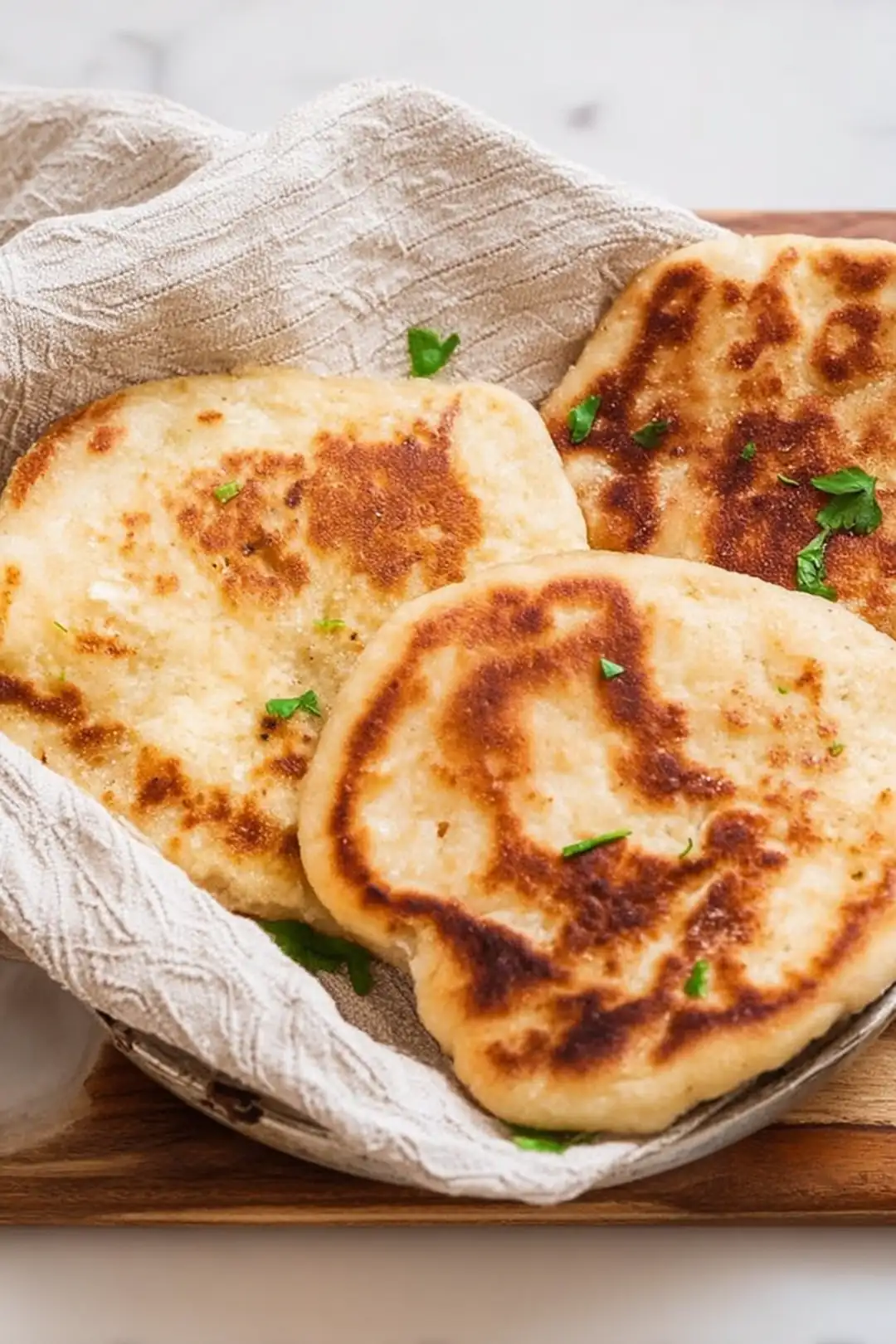
Table of Contents
Cooking Notes & Tips
- Precision in Measurements: For consistently successful outcomes, weigh your ingredients instead of relying on volume measurements. Just a little extra flour or water can change the texture significantly, and I always aim for perfectly tender flatbreads. Trust me, keeping a kitchen scale handy transforms your cooking!
- Don’t Rush the Resting: Allow your dough to rest for at least 30 minutes. This crucial step facilitates gluten development, resulting in a wonderfully chewy texture that complements all your favorite toppings beautifully. I often set a timer for this and take the opportunity to prepare my toppings or tidy up my space.
- Experiment with Flavors: Don’t hesitate to jazz up your dough with herbs or spices—think fresh rosemary, aromatic garlic powder, or even a sprinkle of aged cheese! Adding these ingredients can elevate your flatbreads from simple to sensational. I particularly love incorporating smoked paprika for a subtle smoky note that truly shines through.
- Watch the Temperature: Cooking at the right temperature is essential. Medium-high heat is your best friend, ensuring a beautiful, golden-brown flatbread that remains soft inside. Before cooking, I usually drop a bit of water into the skillet; if it sizzles, you’re ready to start cooking!
- Upcycled Goodness: Every time you upcycle sourdough discard, you’re reducing food waste and contributing to a more sustainable kitchen. Remember, it’s not just a recipe; it’s mindful cooking that makes a difference.
- Serving Suggestions: Serve your flatbreads warm with dips like hummus or tangy tzatziki. They also make a fabulous base for mini pizzas or wraps, giving you endless possibilities and delightfully versatile dining!
- Mind the Cooking Time: Aim for 2-3 minutes of cooking time per side for the best results. Cooking too long can lead to dryness, and we want them soft and inviting! Watch for bubbling on the surface—it’s your cue to flip!
Ingredients Needed for Upcycled Sourdough Discard Flatbread
Essential Ingredients
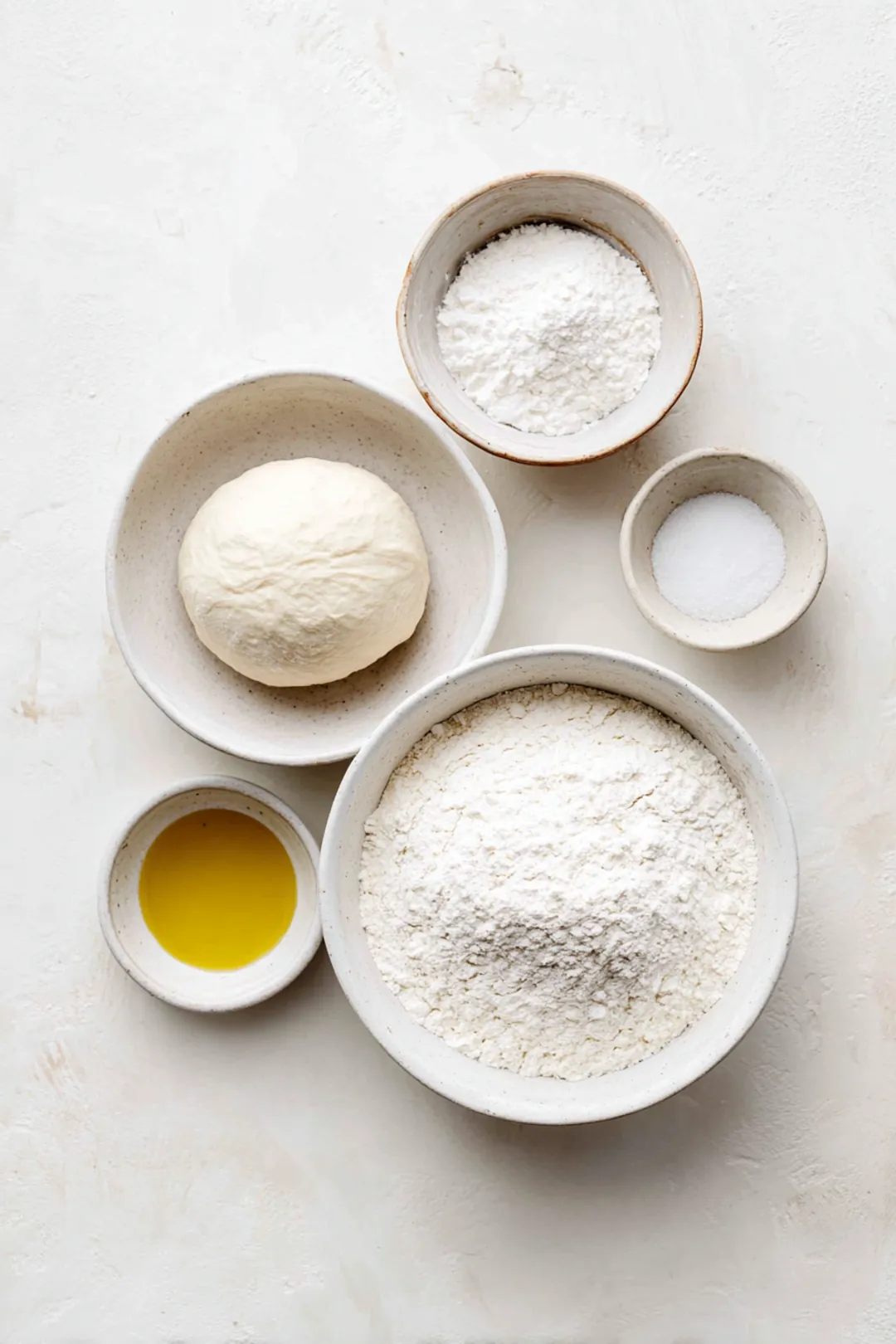
- Sourdough Discard: The right sourdough discard is key—choose a vibrant, bubbly mixture at room temperature for a depth of flavor and appropriate fermentation. Remember, “using sourdough discard minimizes waste while adding unique flavor complexities,” as noted by the USDA.
- Flour: All-purpose flour works beautifully for that perfect flatbread texture. However, don’t hesitate to experiment—whole wheat flour offers added nutrition, or consider a gluten-free blend for dietary preferences; each type will bring distinct characteristics to your flatbreads.
- Water: Opt for lukewarm water—around 100°F (37°C)—to activate the enzymes in your sourdough and hydrate the flour thoroughly. This temperature supports that delightful rise we all love in our breads.
- Olive Oil: A generous splash of olive oil not only enhances your flatbread’s flavor but also contributes tenderness to its texture. Those healthy fats in olive oil will elevate your meal, making it even more rewarding!
Optional Flavor Add-Ins
- Fresh Herbs: Fold in some chopped fresh herbs like basil or rosemary to elevate your flatbreads. They’ll add a lovely, aromatic punch, while herbs like oregano provide an earthy, rustic vibe.
- Spices: Don’t shy away from exploring spices—cumin or smoked paprika can create a unique flavor profile that excites your palate. Each new addition can lead to delightful surprises!
- Cheese: If you crave that cheesy goodness, consider folding in mozzarella or crumbled feta before cooking; they melt beautifully to add zest to your flatbreads! Goat cheese is another fantastic option, offering a tangy hint that complements the bread’s flavor.
- Seeds: Sprinkle in some poppy or sesame seeds for a delightful crunch and a boost of nutrition. These small additions can significantly enhance both flavor and texture!
Step-by-Step Preparation Instructions
Mix the Dough
- Combine Dry Ingredients: In a large mixing bowl, combine equal parts flour and sourdough discard. A 1:1 ratio is ideal for achieving that soft, fluffy texture you desire.
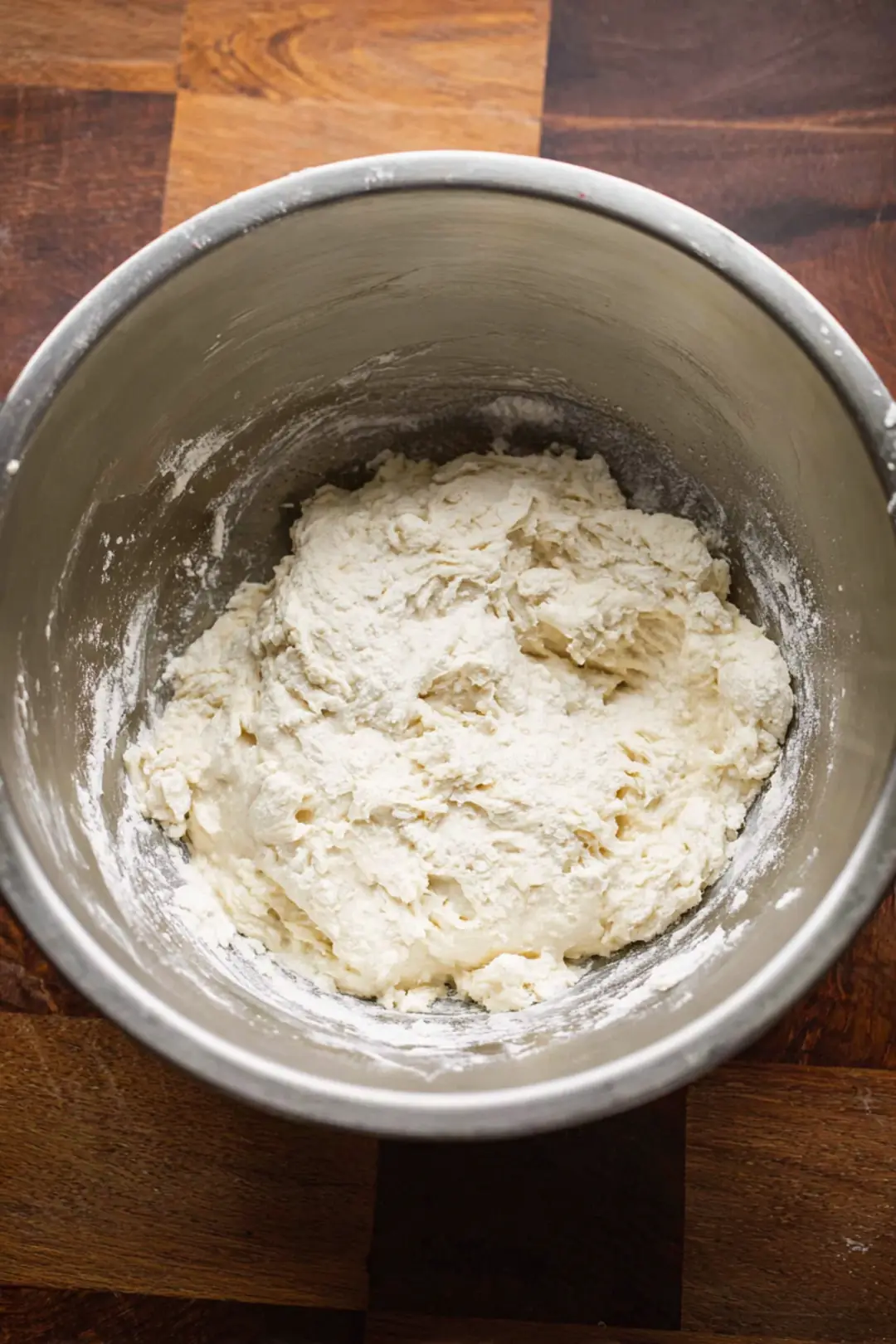
- Add Sourdough Discard and Water: Gradually mix in your sourdough discard and lukewarm water, gently stirring until the dough starts to come together. Ensure everything is evenly distributed, but don’t over-mix at this stage.
- Incorporate Olive Oil: Drizzle in the olive oil and mix until your dough feels soft and manageable. If the dough is too sticky, sprinkle in a bit more flour until you reach the desired consistency.
Resting the Dough
- Importance of Gluten Development: Allowing your dough to rest is essential—it provides the gluten with time to develop, increasing its pliability for beautiful stretching without tearing.
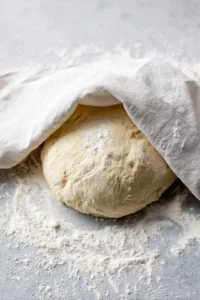
- Ideal Resting Time: Cover your dough with a towel and let it rest for about 10 minutes. This brief moment of downtime works wonders for the final texture of your flatbreads.
Rolling Out Flatbreads
- Techniques for Even Thickness: Roll out the dough to about ¼ inch thick, aiming for uniformity. Inconsistent thickness can lead to uneven cooking, so be patient and steady while rolling.
- Tools to Use: A rolling pin is the classic choice, but if you don’t have one, your hands are just as capable! Just be sure to use a floured surface to prevent sticking. Personally, I adore using a pastry mat; it makes the rolling process even smoother!
Cooking Techniques: Perfecting Your Flatbread
Preheating the Skillet
- Temperature Guidelines: Preheat your skillet over medium-high heat to ensure even cooking without drying out. When the dough hits the pan, you should hear a comforting sizzle—let that sound guide your cooking!
- Skillet Types: Non-stick skillets are fantastic for easy flipping, while a cast-iron skillet can add a slightly smoky flavor and create a beautifully crisp crust. Choose what you prefer!
Cooking the Flatbreads
- Timing: Each flatbread should cook for 2-3 minutes per side. Watch for bubbling and a hint of golden brown before flipping; it’s a reassuring sign they’re ready to be turned!
- Flipping Tips: Gently use a spatula or your fingers (if you’re feeling brave!) to flip the flatbread when it’s gorgeously golden-brown. Handle them carefully to maintain that lovely fluffy texture!
Variations in Cooking Methods
- Oven-Baked Option: For a crisp finish, consider baking your flatbreads on a preheated pizza stone at 450°F (232°C). Just remember to adjust your cooking time based on how thick you’ve rolled the dough!
- Grilling: Feeling adventurous? Grill the flatbreads on a well-oiled grate for exciting smoky flavors while keeping your kitchen cool on warm days—perfect for casual summer gatherings!
Serving Suggestions and Pairing Ideas
Delicious Dipping Options
- Classic Dips: Treat your upcycled sourdough discard flatbreads with classic dips such as hummus or tzatziki. The bright acidity of tzatziki pairs wonderfully with the rich, flavorful bread.
- Creative Spreads: Don’t be afraid to get inventive! Consider serving with avocado mash, whipped feta, or a flavorful tapenade. Embrace your taste preferences and explore different pairings—each one enhances the overall experience!
Meal Ideas
- Using Flatbreads for Wraps: These flatbreads are fantastic for wraps! Fill them with grilled veggies, falafel, or a crisp salad mix for a fulfilling meal packed with flavor.
- Mini Pizzas: Transform your flatbreads into quick mini-pizzas by topping them with tomato sauce, cheese, and your favorite toppings. They’re a fantastic hit with both kids and adults!
Tips for Sustainable Cooking
Benefits of Upcycling Sourdough Discard
- Reducing Food Waste: “Upcycling food waste is a small step toward sustainability but collectively has a huge impact,” as highlighted by the Mayo Clinic. By using your sourdough starter, you aren’t just enhancing your recipes; you’re helping sustain our beautiful planet.
- Nutritional Advantages: Incorporating sourdough discard not only reduces waste but also enhances the nutritional value of your meals, thanks to the beneficial bacteria in your sourdough starter.
Caring for Your Sourdough Starter
- Best Practices for Storage and Feeding: If you aren’t using your starter often, store it in the refrigerator. Regular feedings with equal parts flour and water will keep it healthy and lively!
- When to Discard: It’s tempting to discard starter frequently, but balance is essential. Keep your kitchen creations flowing by using that discard wisely—each spoonful is an opportunity!
Encouraging Minimal Waste
- Using Leftover Flatbreads: Any extra flatbreads can be stored in an airtight container for later enjoyment. A quick reheat in a skillet will bring them back to life for a delightful snack.
- Creative Ways to Utilize More Sourdough Discard in Recipes: Think beyond flatbreads! Explore making pancakes, waffles, or even brownies; the possibilities are practically endless, ensuring nothing goes to waste.
Cooking Mistakes to Avoid
Common Pitfalls with Flatbreads
- Overworking the Dough: Beware of over-kneading your dough. If it feels tough and unyielding, you’ve gone too far. Remember, stop when it’s smooth and pliable!
- Cooking at Incorrect Temperatures: Too high a heat can dry out your flatbreads or leave them doughy in the center. Medium-high is your sweet spot for that perfect balance!
Ensuring Flavorful Results
- Not Seasoning Enough: Salt is your ally—don’t skimp on it! A good seasoning dramatically enhances flavor. Always taste and adjust before cooking so that your flatbreads burst with deliciousness.
- Ignoring the Rest Period: That short resting period for your dough is essential for texture. Skipping it can lead to flatbreads that are chewy instead of light and delightful.
FAQs
What can I make with sourdough discard?
You can make a delightful array of dishes, including pancakes, muffins, and flatbreads. Sourdough discard not only reduces waste but adds wonderful flavor and texture to your meals.
How do you use up sourdough starter?
Incorporate sourdough starter into baked goods like breads, cookies, and waffles. Quick options, such as flatbreads or pancakes, allow you to reduce waste while achieving delicious results.
Is upcycling food waste sustainable?
Absolutely! Upcycling food waste promotes sustainability by reducing overall waste, conserving resources, and lowering your carbon footprint. By redistributing ingredients like sourdough discard into new recipes, you contribute to a more sustainable food system.
What are the benefits of upcycling sourdough?
Upcycling sourdough enhances flavor, reduces waste, and boosts the nutritional value of your recipes. It enables creative culinary exploration while ensuring no part of your starter goes to waste.
Can I add spices or herbs to sourdough discard flatbread?
Absolutely! Adding spices or herbs can enhance the flavor profile of sourdough discard flatbread. Experiment with garlic powder, onion powder, or dried herbs like oregano for a savory touch that takes your flatbread to the next level.
Conclusion
Creating delicious flatbreads with sourdough discard isn’t just a way to reduce food waste; it’s an inspiring opportunity to infuse your meals with incredible flavors and textures. By mastering the balance of ingredients—from the essential sourdough discard to flavorful add-ins—you’ve unlocked a versatile recipe adaptable to any meal occasion. Embrace experimentation—whether grilling, baking, or transforming your flatbreads into mini-pizzas, the possibilities are endless. So roll up your sleeves and let your creativity shine! With every bite, you’ll bring warmth and balance to your family’s table. Happy cooking!
Delicious Upcycled Sourdough Discard Flatbread Recipe
Ingredients
Method
- In a large mixing bowl, combine the sourdough discard, flour, salt, and olive oil. Mix until a rough dough forms.
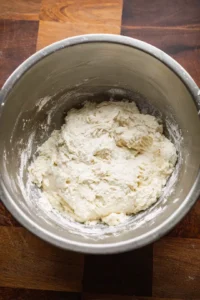
- Gradually add the lukewarm water, mixing until you have a soft and pliable dough. Adjust the flour or water as needed to achieve the right consistency.
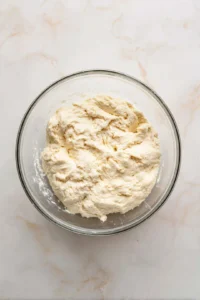
- Knead the dough on a floured surface for about 5 minutes, then let it rest covered with a towel for 10 minutes. Divide the dough into equal portions, roll them out into flatbreads, and cook them on a hot skillet until golden and bubbly, about 2-3 minutes on each side.