Savory Slow Cooker Pot Roast: Tips & Variations
Ever wondered how to transform a humble pot roast into a flavor-packed masterpiece that makes everyone at the table rave? With just a few simple steps and some clever tweaks, you can elevate your dish from ordinary to utterly unforgettable! A perfectly cooked pot roast can be the star of any dinner table, making for a truly comforting meal.
In this guide, we’ll explore the art of slow cooker pot roast, from achieving that perfect sear to choosing the most divine liquid for depth of flavor. Get ready to discover tips and variations that will make this classic dish your next culinary triumph. Let’s dive in!
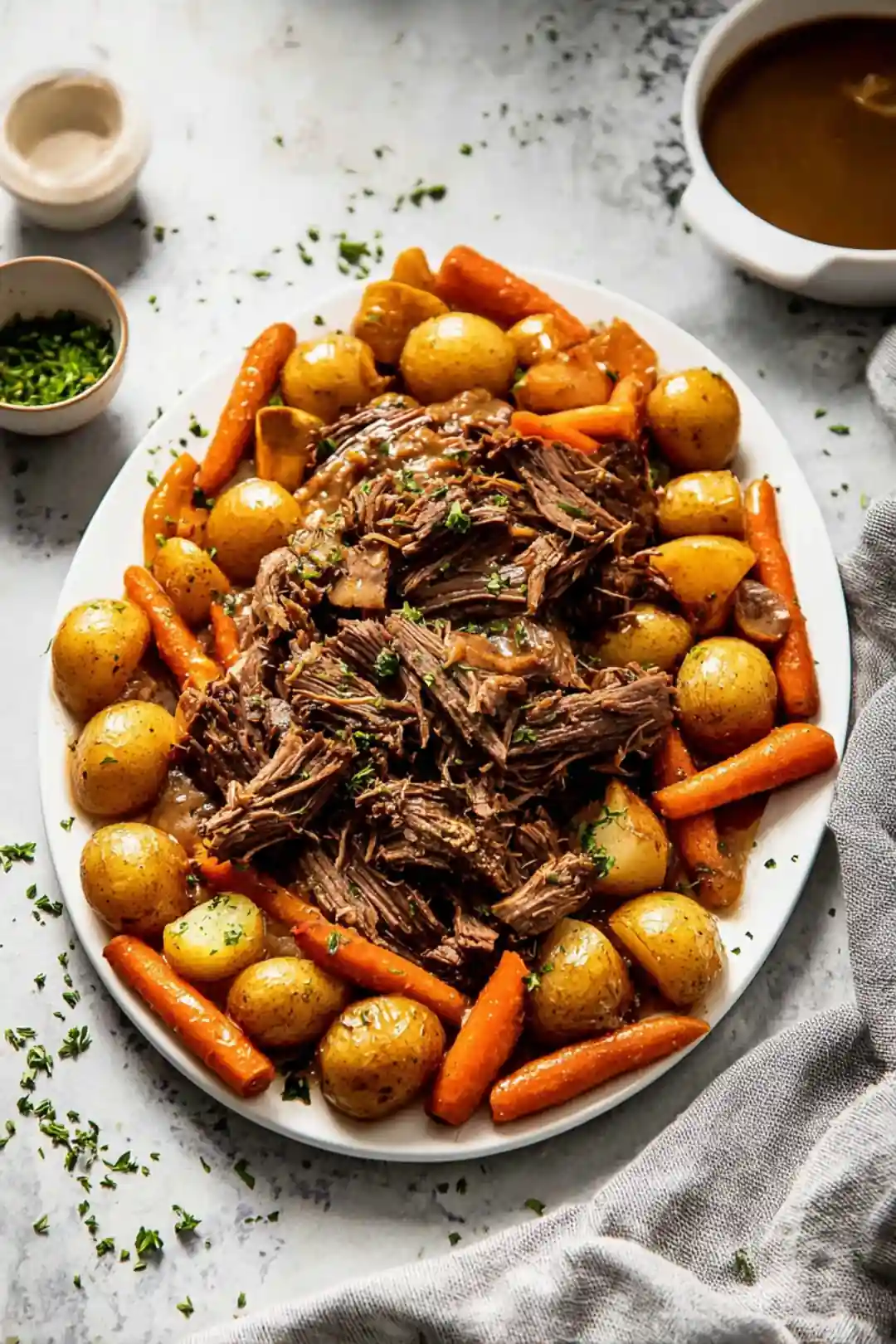
Table of Contents
Why You’ll Love This Recipe
-
Perfect Browning: Always sear your pot roast before transferring it to the slow cooker. This step isn’t just for looks; it locks in the juices and adds that deep, savory flavor that’ll have everyone asking for seconds.
-
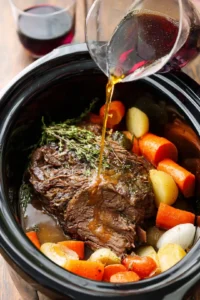
Liquid Choices: Go beyond water or broth! Consider using red wine or even coffee to add unexpected depth to your roast’s flavor. Just a cup can elevate the umami and make your dish unforgettable.
-
Experiment with Spice: Don’t confine yourself to traditional seasoning blends. Try aromatic herbs like rosemary and thyme or a hint of smoked paprika. These unique elements can transform standard pot roast into something spectacular.
-
Low & Slow Is Key: For maximum tenderness, I recommend cooking on low for 8-10 hours. This slow rendering of fat creates a melt-in-your-mouth texture that’s worth the wait. Speaking of time, I always check the roast about halfway through to see how it’s progressing; it helps in making tweaks if necessary.
-
Hidden Insights: Interested in a twist? Consider trying a Mississippi pot roast variation. Just add pepperoncini peppers and ranch dressing mix to your pot. It’s a flavor-packed surprise that’s quickly become a crowd favorite.
-
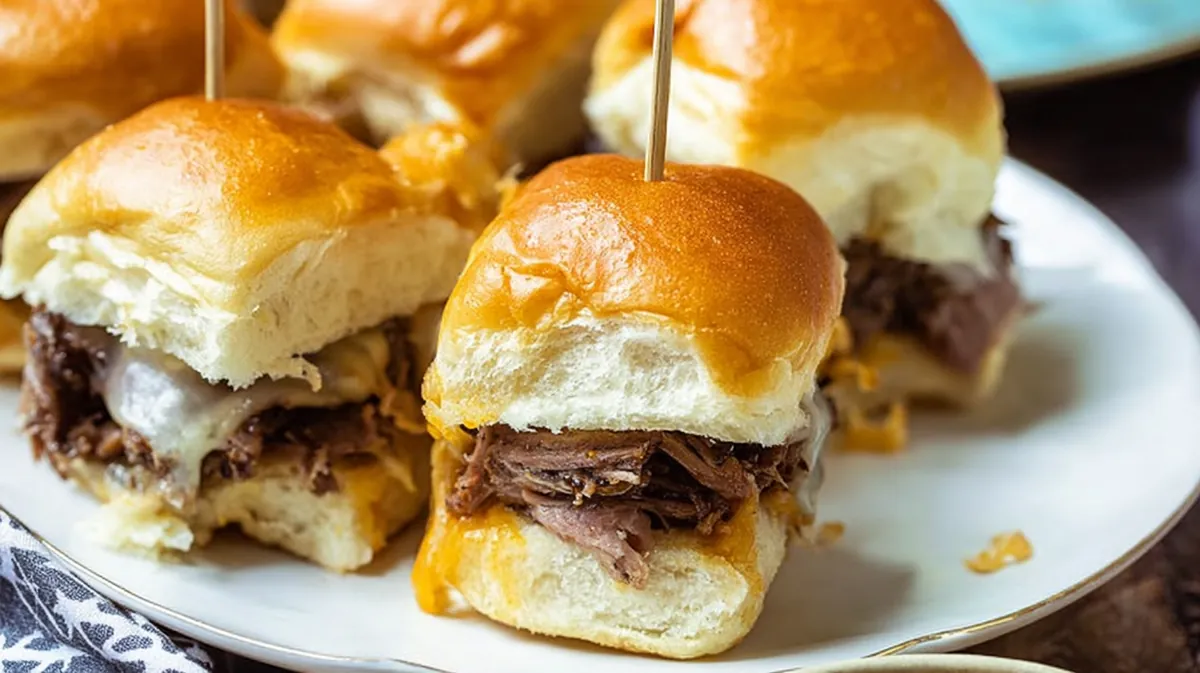
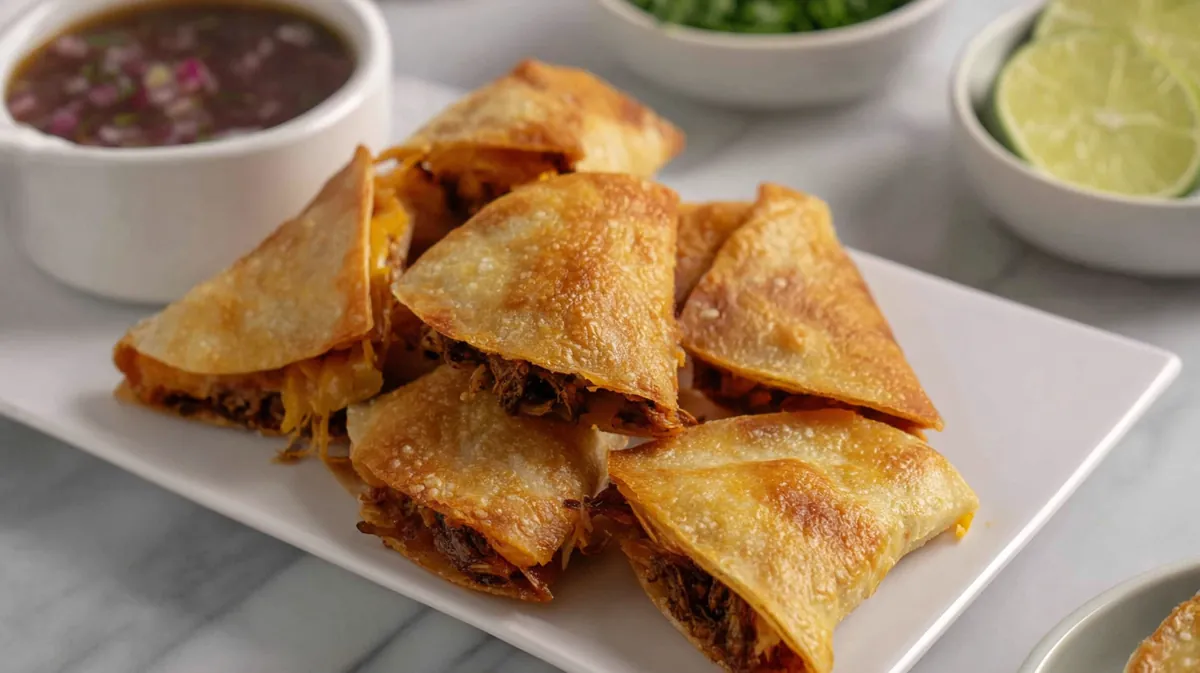
Sides That Shine: Pair your pot roast with creamy mashed potatoes or root vegetable puree for a comforting meal. Their buttery texture complements the rich sauce beautifully. I always make extra potatoes to soak up the sauce—trust me, it’s worth it! For something unique, consider making Leftover Smash Tacos to use up any leftover roast!
-
Avoid Overcrowding: When adding vegetables, stick to a single layer around the roast. This ensures everything cooks evenly and prevents any soggy veggies from ruining your masterpiece.
Now that you’re armed with these tips, let’s dive into the delicious steps for crafting your own savory slow cooker pot roast!
Essential Ingredients for a Flavorful Pot Roast
Choosing the Right Cut of Meat
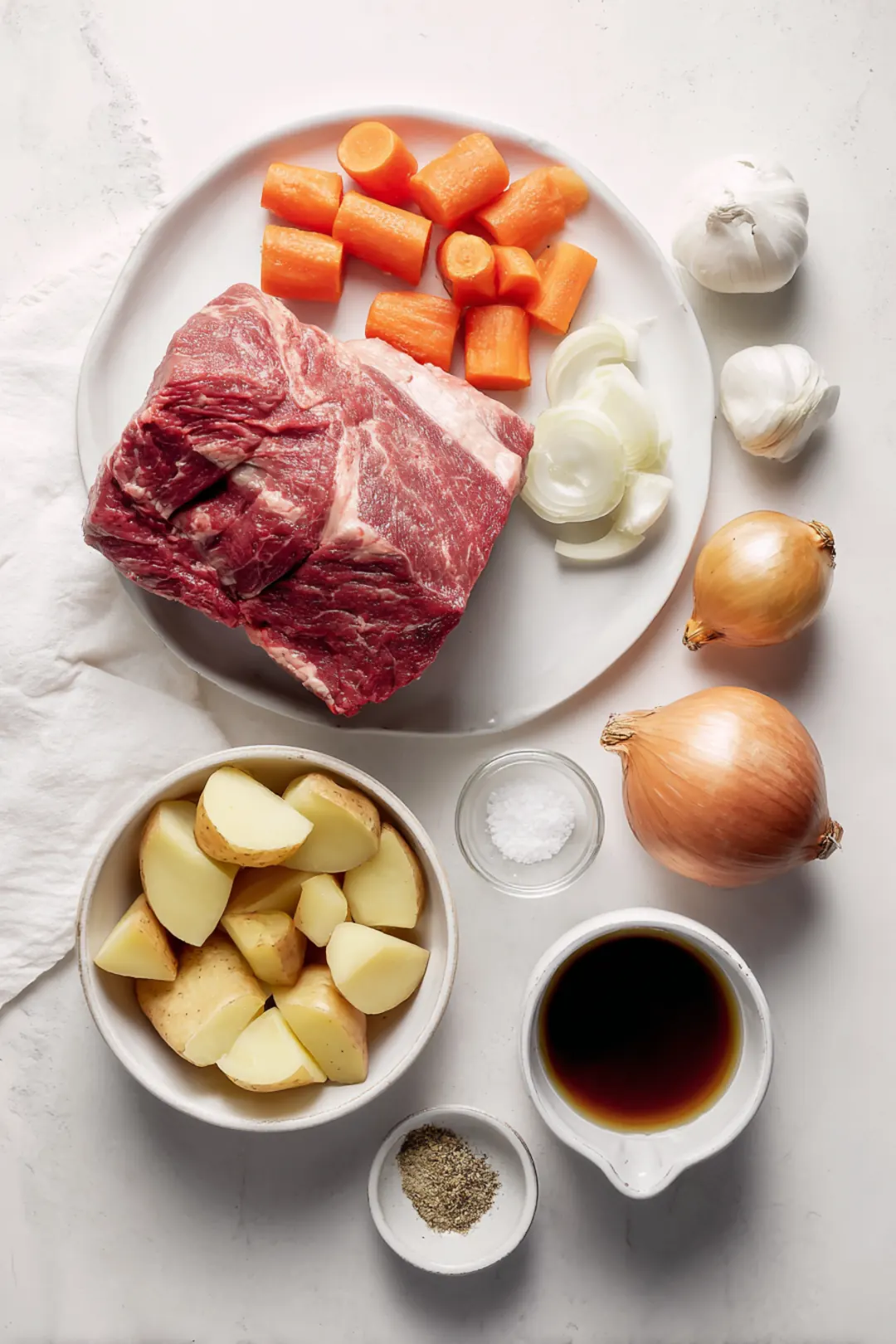
When it comes to crafting the best slow cooker pot roast, the choice of meat is pivotal. The ideal cut for a tender, flavorful dish is the beef chuck roast due to its rich marbling, which breaks down during slow cooking to yield a succulent texture. Compared to brisket or round roast, chuck roast wins for its forgiving nature when exposed to low, indirect heat. Remember, a well-marbled cut ensures maximum tenderness and flavor — don’t skimp on quality here!
Liquid Foundations for Depth of Flavor
Liquid is the backbone of your pot roast’s flavor profile. While classic beef broth is a must, don’t shy away from experimenting! Consider adding a splash of red wine, which introduces a depth of flavor that pairs beautifully with beef. Some cooks even swear by using coffee to enhance richness — it’s surprising how well it works! For a twist, mix different stocks, wines, or even incorporate a bit of au jus for an umami punch. This versatility allows for an easy slow cooker pot roast that caters to various taste preferences. You might also want to check out our recipe for Turkey stuffing smash tacos to keep your holiday leftovers exciting.
Chef Tip: For an incredible depth of flavor, consider adding some aromatics like bay leaves or whole garlic cloves to your cooking liquid. They’ll infuse the broth, making each bite a delightful experience.
Vegetables and Aromatics
Great vegetables elevate your pot roast to the next level. Start with traditional choices like carrots, potatoes, and onions—these classics soak up all the delicious juices from the roast. Want to add a unique touch? Consider tossing in diced parsnips, turnips, or even mushrooms for an unexpected flavor kick. The balance of aromatics and main ingredients enhances the overall taste of your dish, creating that comforting, homestyle feel.
Cooking Techniques for Success
Perfect Browning for Maximum Flavor
Achieving that beautiful sear on your roast is crucial for flavor. To do this effectively, heat a pan over medium-high heat and use a neutral oil with a high smoke point, like canola or grapeseed oil. Sear each side of the roast until it’s golden brown, about 3-4 minutes per side. This surface caramelization locks in juices and adds depth of flavor you simply can’t get from a pot roast cooked without browning.
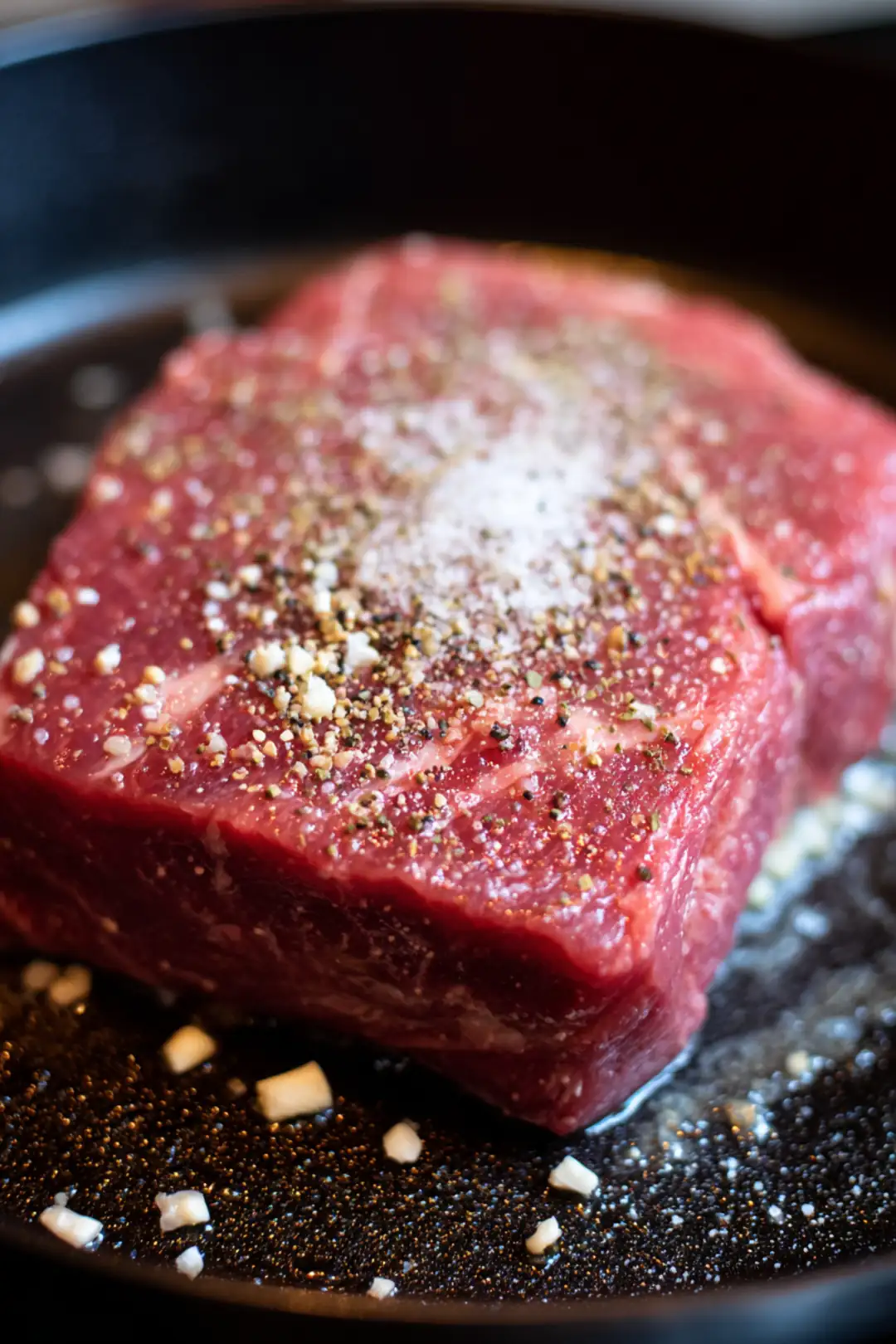
Pro Insight: Don’t rush the browning step! It may seem tedious, but this step lays the foundation for a pot roast filled with rich, complex flavors. I always think of it as a crucial investment in the overall dish.
Layering Ingredients in the Slow Cooker
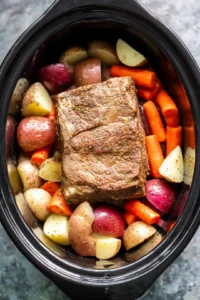
Layering is key in the slow cooker. Begin by placing the vegetables at the bottom; this creates a buffer and allows them to absorb the meat juices without turning mushy. The chuck roast goes on top, then pour your flavored liquid over everything. This technique ensures even cooking and intensifies the flavor of your crockpot pot roast. Be cautious about overcrowding — too many ingredients can cook unevenly, leading to a less-than-stellar dish. If you’re looking for something to enjoy with those leftovers, try out air fryer holiday tacos!
Cooking Time and Temperature Dilemmas
Cooking a pot roast in a slow cooker isn’t overly complicated, but the timing does matter. Generally, using the low setting is less stressful on the meat, breaking it down perfectly over 8 hours. If you’re in a hurry, the high setting can have your roast ready in about 4 hours. Keep in mind that larger cuts may require more time. Aim for about 30 minutes per pound in the slow cooker for tender results — it’s all about patience here, my friends!
Flavor Enhancements and Customizations
Spice and Herb Pairings
The right spices and herbs can take your pot roast from good to great. I recommend a blend of salt, black pepper, garlic powder, and perhaps a touch of paprika or thyme for an aromatic lift. Fresh herbs, like rosemary or parsley, added toward the end of the cooking process provide a bright finish, contrasting beautifully with the rich flavors. Why not experiment a little to find your signature blend?
Unique Variations to Consider
Feeling adventurous? Try a Mississippi pot roast twist for some heat by including pepperoncini and ranch seasoning. For a Mediterranean flair, add green olives and chunked tomatoes; these lend a whole new dimension and surprise to your slow cooker pot roast. Customizations not only keep things interesting but also attract those niche audiences looking for novel recipes. You might even want to explore the flavors in crispy beef tacos for a different take!
Troubleshooting Common Pitfalls
Avoiding Dry Meat
Nobody wants a dry pot roast. Watch for signs of overcooking; if the meat pulls apart too easily before the recommended cook time, it might be too late! To combat dryness, ensure an adequate amount of liquid is present by checking midway through cooking. If you find yourself with less-than-ideal results, consider shredding the meat and returning it to the pot with more broth to soak in — it may just save the day!
Vegetables: How to Keep Them Perfectly Cooked
The classic challenge? Overcooked vegetables that turn mushy. To sidestep this common pitfall, consider adding hardier vegetables, like root veggies, closer to the end of the cook time. Another approach is to pre-cook them slightly before adding them to the cooker. If you’re including delicate veggies like zucchini, toss them in during the final hour to ensure they retain their shape and freshness!
Delicious Sides to Elevate Your Meal
Pairing Pot Roast with Comforting Sides
When it comes to sides, nothing complements a savory pot roast quite like creamy mashed potatoes. Be sure to whip them with plenty of butter and cream for that comforting, indulgent texture. Alternatively, consider a root vegetable puree; it’s a flavorful twist and adds nutrition to your plate.
Unique Side Options for a Twist
Step outside the box with your sides! Grain bowls with farro or barley can bring a delightful chew and nutty flavor. Pair with seasonal greens for a refreshing brightness that cuts through the richness of your pot roast. Try including a simple salad with vinaigrette—contrast is key to a well-rounded meal. If you want an fun dessert afterward, be sure to try making some air fryer donut holes!
Nutrition Insights for a Balanced Meal
Caloric and Nutritional Breakdown
Understanding the nutritional aspect of your pot roast is vital. As I always say, splurging is okay sometimes, but being aware helps in making balanced choices. Incorporating veggies into your sides provides both texture and essential nutrients.
“Garlic is known for its medicinal properties and can help lower blood pressure.” — Healthline
Portion Control Tips
When serving your pot roast, aim for balanced portions. A great rule of thumb is to fill half your plate with vegetables and the other half with a mix of protein and carbs. Following this guideline ensures that you not only enjoy a fulfilling meal but also adhere to a more balanced diet. Just remember, embracing variety is a delicious way to stick to healthy eating habits!
FAQ
How long does a pot roast need to cook in a slow cooker?
A pot roast typically needs to cook in a slow cooker for 8–10 hours on low or 4–5 hours on high. Cooking low and slow allows the meat to become tender and flavorful, making it the preferred method for optimal results.
Should you brown a pot roast before putting it in a crock pot?
Yes, browning a pot roast before placing it in the slow cooker enhances its flavor through the Maillard reaction. This step adds a rich, savory depth to the dish, making the overall pot roast even more delicious.
Is it better to cook a pot roast on high or low?
Cooking a pot roast on low is generally better for achieving tenderness and flavor. Slow cooking breaks down the tough fibers in the meat, while high cooking can yield a firmer texture. Opt for low for best results.
What liquid should I use for a pot roast in a slow cooker?
Using beef broth or stock is ideal for a pot roast in a slow cooker, as it enhances the flavor. You can also combine it with a splash of wine or Worcestershire sauce for added depth, ensuring the meat stays moist.
What are some good side dishes to serve with pot roast?
Pot roast pairs well with classic side dishes like mashed potatoes, carrots, and green beans. Other great options include roasted vegetables or a fresh green salad, which complement the rich flavors of the pot roast beautifully.
Conclusion
Creating a savory slow cooker pot roast is as much about the ingredients and technique as it is about the love you put into it. By carefully choosing your beef cut and layering those veggies just right, you’re setting yourself up for a meal that warms the soul. Remember to embrace the versatility of flavors — nothing is off the table! Whether you spice it up with some unexpected herbs or bring in a bit of wine or coffee, each variation makes the dish uniquely yours. If you find yourself wrestling with dry meat or mushy veggies, don’t fret—there’s always a way to salvage and enhance your creation. So grab that slow cooker and let the aromas fill your home. It’s time to roll up your sleeves and make comfort taste like science!
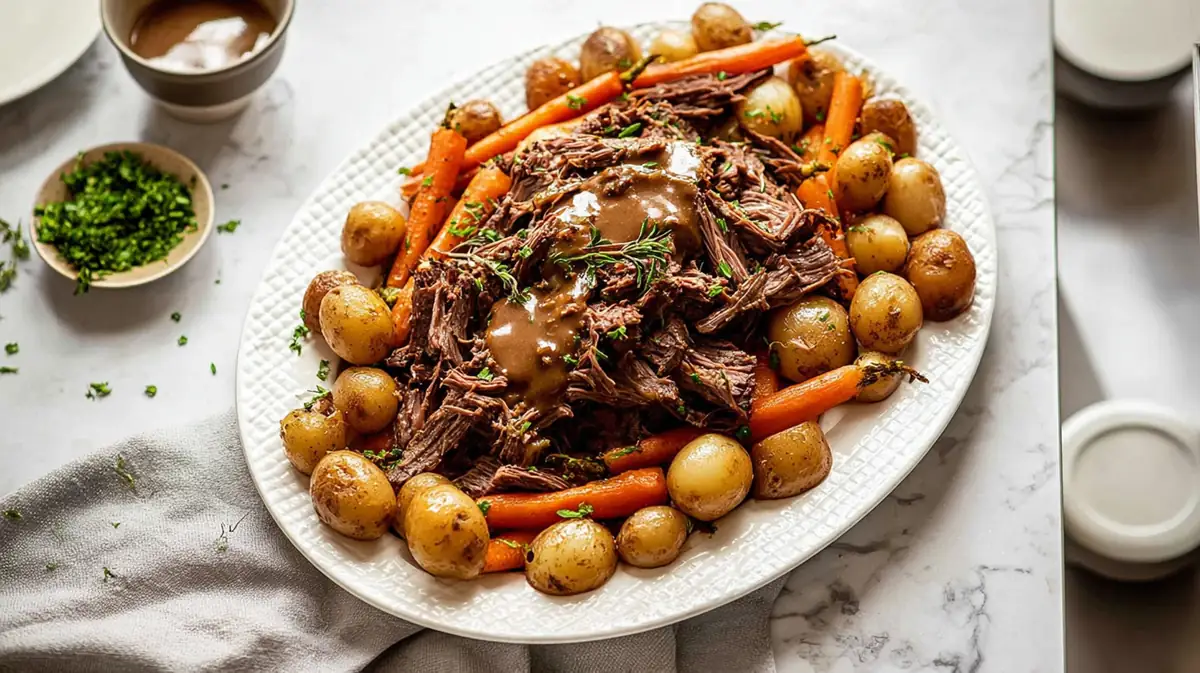
Savory Slow Cooker Pot Roast: Tips & Variations
Ingredients
Method
- Season the beef chuck roast with salt, black pepper, and garlic powder on all sides. Heat a pan over medium-high heat and sear the roast until browned.
- Place the chopped vegetables in the bottom of the slow cooker. Add the seared roast on top of the vegetables.
- Pour the beef broth and any optional ingredients such as au jus mix or red wine over the roast. Cover and cook on low for 8 hours, or high for 4 hours until the meat is tender.