Unlock Delicious High-Protein Cottage Cheese Pasta Sauce
Can a simple cottage cheese transform your pasta night into a powerhouse of flavor and nutrition? You bet it can! Get ready to unlock the secret to a high-protein cottage cheese pasta sauce that’s as delightful as it is delicious.
In this article, I’ll guide you through creating a creamy, dreamy sauce that’s not only packed with protein but also incredibly versatile. You’ll be equipped with clever seasoning tips, pasta pairings that’ll make your taste buds dance, and the know-how to elevate your cooking and impress the family. Let’s dive in!
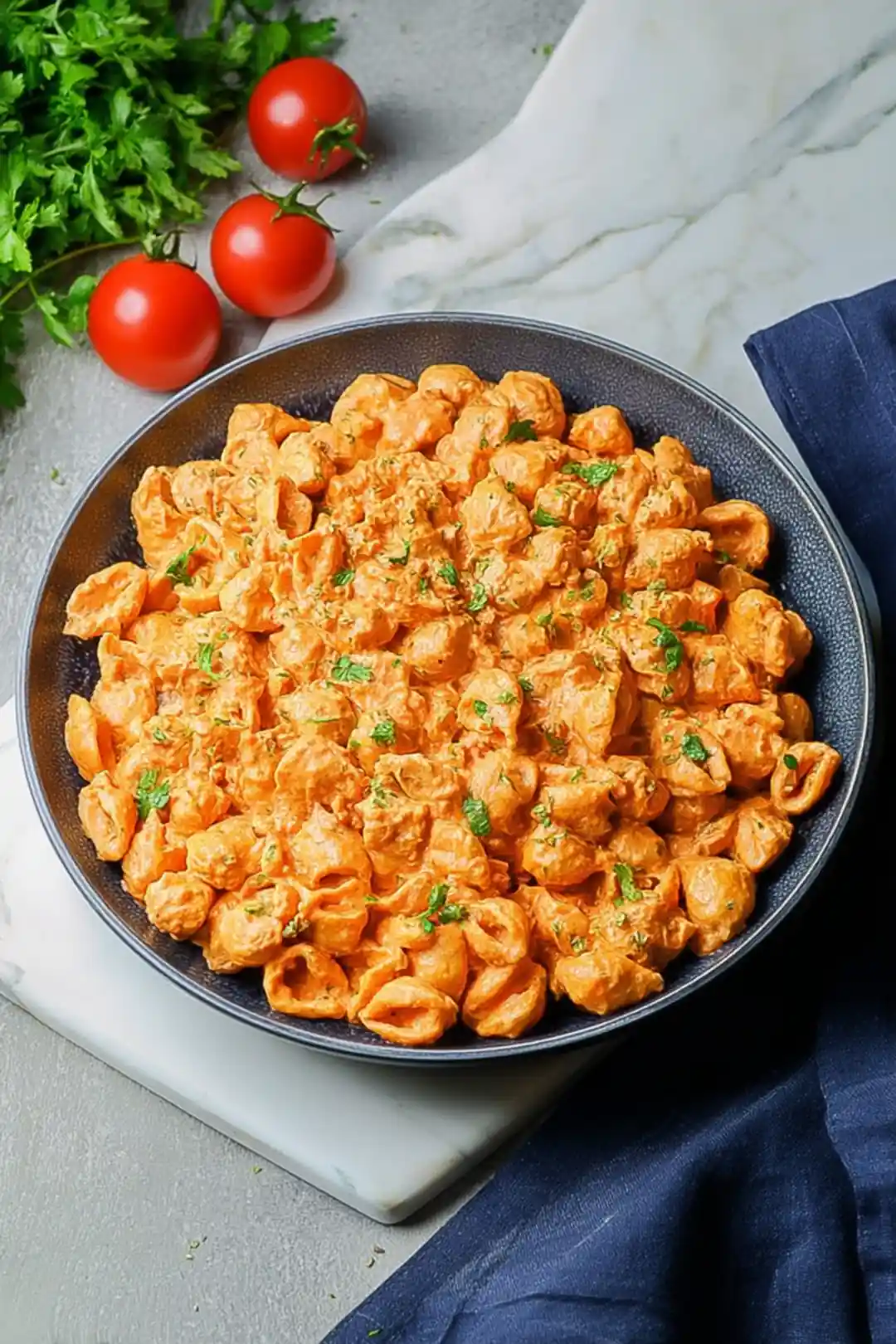
Table of Contents
Why You’ll Love This Recipe
These key takeaways will elevate your cooking experience with my high-protein cottage cheese pasta sauce. Each tip is designed to ensure delicious results and create a delightful cooking journey that fits seamlessly into your lifestyle.
- Protein Power-Up: Cottage cheese packs a punch with its high protein content, making this sauce a fantastic way to keep your meals satisfying and nourishing—perfect for family dinners or meal prepping. It’s a smart choice for anyone looking to infuse their dishes with health benefits while keeping everyone satiated!
- Texture Trick: Blend it thick for a creamier sauce or leave some curds intact for a delightful bite. It’s all about how you like your pasta sauce; don’t hesitate to get creative! In my kitchen, I sometimes add a touch of ricotta for an extra layer of creaminess—a little experiment that’s yielded delicious results!
- Flavor Boost: Don’t forget to season! A pinch of salt, fresh pepper, and a squeeze of lemon juice will brighten the flavors remarkably. Fresh herbs like basil or oregano can elevate your sauce effortlessly. I love using fresh herbs straight from my garden whenever I can; it makes a noticeable difference in flavor and the joy of cooking!
- Pasta Pairing: This sauce works beautifully with any pasta, from whole wheat to gluten-free varieties! Try it with some zoodles for a low-carb twist, or go traditional with fettuccine. The possibilities are endless, each pairing offering a unique flavor profile.
- Make It Your Own: Add veggies like spinach, zucchini, or cherry tomatoes to send the nutrition level through the roof while incorporating bitesize goodness that everyone will adore. Introducing seasonal produce enhances not only flavor but also nutritional value, just like adding a delicious Sourdough Flatbread with Seasonal Microgreens.
- Batch It Up: The sauce holds up well in the fridge for up to 3 days and freezes beautifully for up to a month. You’ll always have a quick, wholesome meal on hand! When I’m short on time, I make a double batch and freeze the extras in ice cube trays for easy meal prep—it’s a lifesaver during busy weeks.
- Avoiding Separation: When reheating, do so gently over low heat and stir often to prevent separation. Adding a splash of pasta water can help bring the sauce back to life, ensuring that it’s creamy and delicious every time!
Why Cottage Cheese Is the Star of the Show
The Health Benefits of Cottage Cheese
Cottage cheese is a nutritional powerhouse, often overshadowed by other dairy products. With its high protein content, calcium, and low-fat quality, it rapidly becomes a favorite among health-conscious cooks. As noted by the Mayo Clinic, “cottage cheese is a great source of protein and provides calcium necessary for strong bones.” These unique properties make it beneficial for muscle repair and weight management. It’s an excellent choice for anyone seeking to enrich their healthy cooking repertoire with options like Low-Sugar Prune & Walnut Energy Bites.
Is Cottage Cheese High in Protein?
When comparing dairy options, cottage cheese stands out due to its impressive protein profile. One cup of cottage cheese can contain approximately 25 grams of protein—significantly higher than equivalent servings of yogurt or rice milk. This makes it an excellent ingredient for crafting high-protein pasta sauce, which transforms everyday meals into nutritious delights. Knowing how much protein is in a serving of cottage cheese helps you make informed decisions about your meals.
Can You Use Cottage Cheese in Pasta Sauce?
Absolutely! Cottage cheese brings a creamy texture and a mild flavor that enhances traditional pasta sauces. When blended, it creates a velvety mouthfeel that perfectly coats your favorite pasta. Adding it to your sauce not only introduces nutritious elements but also elevates the comfort factor of your meal. It’s a fantastic and elegant way to lighten your sauce without sacrificing taste.
Creating Your High-Protein Cottage Cheese Pasta Sauce
Ingredients You’ll Need
To whip up your High-Protein Cottage Cheese Pasta Sauce, here are the essential ingredients you’ll need:
- 1 cup of cottage cheese (preferably low-fat)
- 1 cup of canned diced tomatoes
- 2 tablespoons of olive oil
- 1 clove of minced garlic
- 1 teaspoon of Italian seasoning
- Salt and pepper to taste
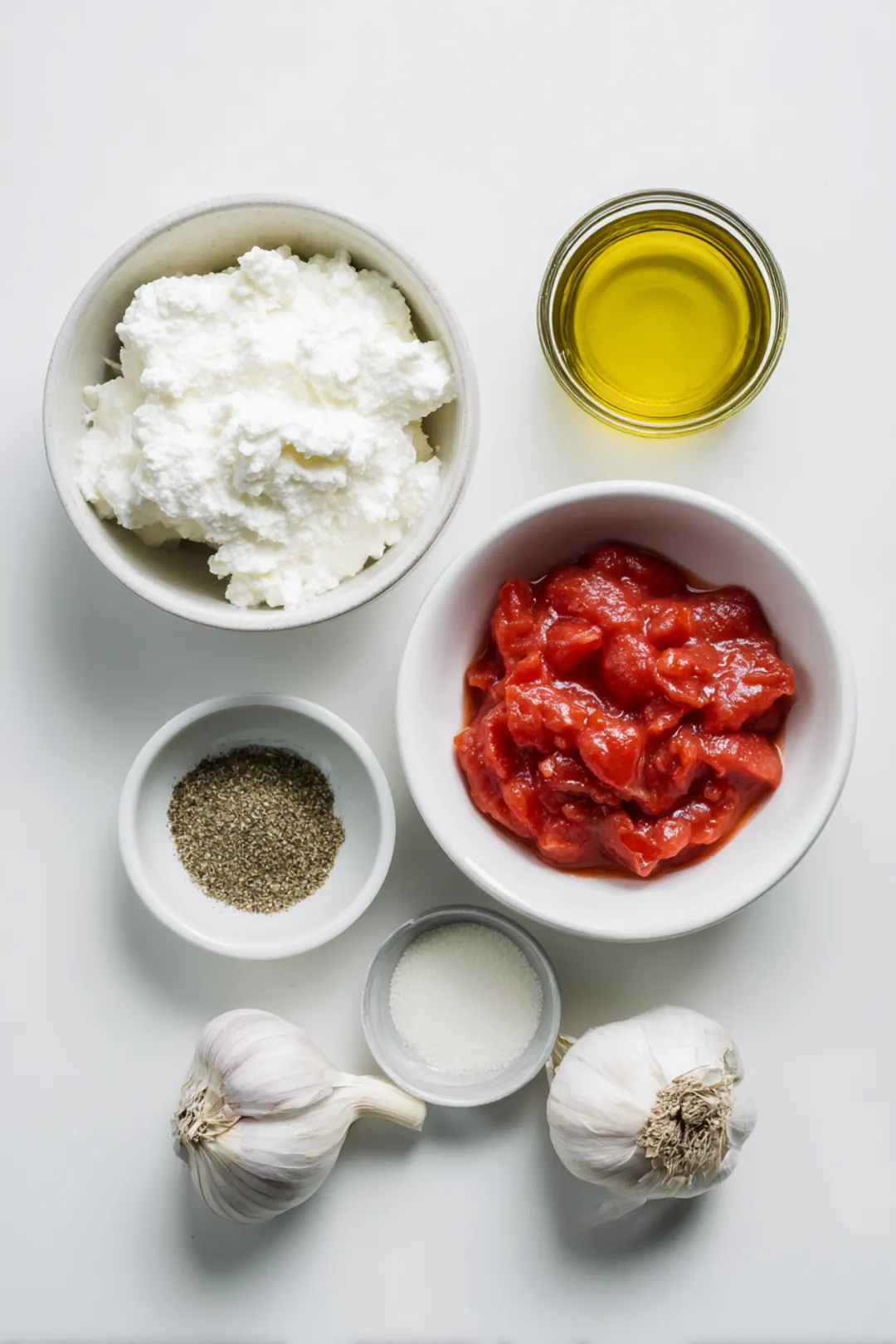
For customization, consider adding fresh veggies like spinach or zucchini or fresh herbs like basil and parsley to brighten the dish even more, perhaps alongside a fresh side of Fermented Kefir Salad Dressing.
Step-by-Step Instructions
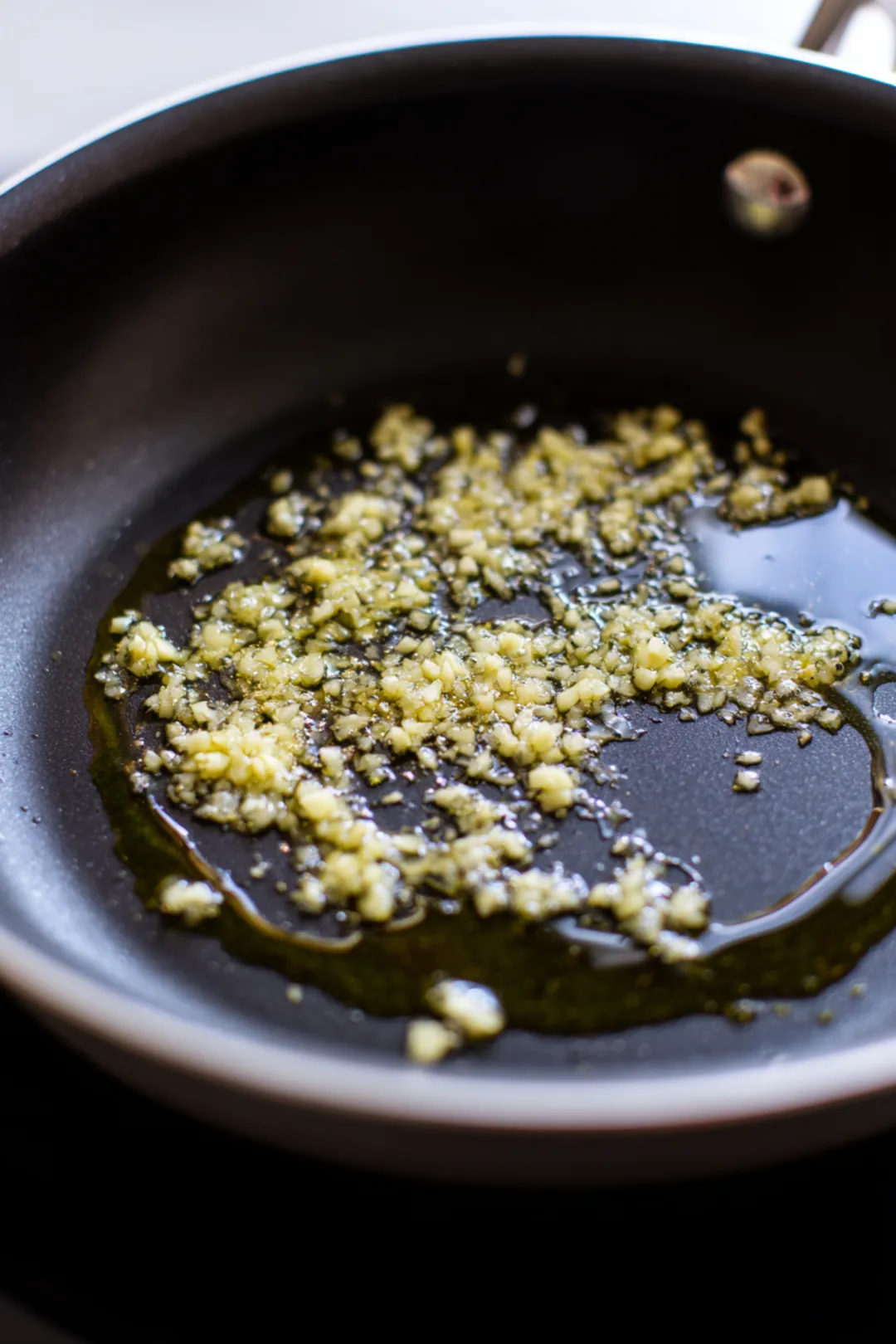
- Sauté the Garlic: In a medium pan, heat olive oil over medium heat. Add the minced garlic and sauté until fragrant, about 1 minute. This step infuses the oil with delicious garlic flavor.
- Add Tomatoes and Seasoning: Stir in the canned diced tomatoes and Italian seasoning, allowing the mixture to simmer for 5-7 minutes until heated through. The tomatoes will meld beautifully with the seasonings, creating a robust base.
- Mix in Cottage Cheese: Reduce the heat to low and gently stir in the cottage cheese. Keep mixing until well combined and heated through. Season with salt and pepper to taste.
If you prefer a smooth sauce, consider blending the cottage cheese before adding it. If you like more texture, leave it chunky! Adjust the cooking time based on your desired consistency—the longer it simmers, the more integrated the flavors will become. In my kitchen, I often let it simmer a bit longer to ensure every bite is packed with flavor.
Pro Tip for Ultimate Creaminess
Controlling moisture is key to achieving that ideal sauce consistency. If your sauce turns out too thick, remember to reserve some pasta water before draining. Adding a splash of this starchy water can help you reach that perfect creamy texture, giving your dish that restaurant quality at home!
Flavor Enhancements to Try
Essential Seasonings and Herbs
While salt, pepper, and garlic create a solid foundation for your sauce, fresh herbs can elevate the flavors significantly. Basil, oregano, and parsley make your dish taste like it was prepared in a cozy Italian kitchen with minimal effort. A sprinkle goes a long way in bringing your sauce alive!
Customizing Flavors
For a zesty kick, consider squeezing in a bit of lemon juice or including the zest to brighten your sauce. Exploring spice blends can really add depth; think of Italian herbs for that classic vibe or a pinch of chili flakes for a touch of heat. This versatility allows your sauce to adapt to whatever mood you’re in!
Adding Veggies for Nutrition
Incorporating veggies into your sauce not only boosts the nutrition but also enriches the flavor profile. Visualize steamed spinach, chopped zucchini, or halved cherry tomatoes bursting with color and flavor. These delightful additions bring essential vitamins and minerals to the table, making your meal better balanced and undeniably inviting. For an interesting twist, you could even use Probiotic Gummy Snacks – Homemade Gelatin to pair alongside your pasta dish!
Pasta Pairings for Your Sauce
Best Pasta Types to Use
Opt for whole wheat or gluten-free pasta to beautifully complement your high-protein cottage cheese sauce. If you’re feeling adventurous, spiralized vegetables like zucchini noodles are a creative, low-carb alternative that pairs wonderfully, providing a fresh twist on traditional pasta night.
Alternative Pairings
For an extra fun twist, consider unconventional pasta bases such as quinoa or buckwheat noodles. These options offer a nutty flavor and delightful texture that harmonizes with the creamy sauce. And don’t forget, adding proteins like grilled chicken or legumes can round out this meal beautifully, pleasing even the pickiest eaters. Also, consider a sweet treat like Adaptogenic Mushroom Coffee Brownies after your meal to complement the flavors you enjoyed!
Storage and Reheating Tips
Batch Cooking and Freezing
To maximize freshness, store your cottage cheese pasta sauce in an airtight container. Let it cool before refrigeration. You can also freeze leftovers in individual portions for easy meals later on. Just remember, “sauces can typically last up to three months in the freezer,” so make the most of batch cooking to simplify your meal prep!
Avoiding Separation
When it’s time to reheat your sauce, do so gently to prevent separation. If you notice it getting a bit grainy, simply add a splash of reserved pasta water for revitalization. This little trick helps restore its creamy texture and delightful flavor, giving you a delicious and satisfying meal every time.
FAQs
What are the health benefits of cottage cheese?
Cottage cheese is high in protein, low in fat, and rich in calcium, making it an excellent option for muscle repair and bone health. It also contains beneficial vitamins and minerals, which can aid in weight management and promote a feeling of fullness—helping support a healthy diet.
Can you use cottage cheese in pasta sauce?
Yes, you can use cottage cheese in pasta sauce. It adds a creamy texture and boosts the protein content without the heaviness of traditional cream sauces. Blending it with tomatoes and herbs creates a delicious, nutritious sauce for your pasta dishes.
How do you make cottage cheese pasta sauce?
To make cottage cheese pasta sauce, blend 1 cup of cottage cheese with 1 cup of tomatoes, garlic, and your favorite herbs. Heat gently until warmed through, then toss with cooked pasta for a creamy, protein-packed meal that’s quick and easy.
What pasta pairs best with cottage cheese sauce?
Cottage cheese sauce pairs well with pasta shapes that hold sauce, such as penne or fusilli. These shapes allow the creamy sauce to cling, ensuring each bite is flavorful and satisfying. Opt for whole grain pasta for added nutrition.
Is cottage cheese high in protein?
Yes, cottage cheese is high in protein, typically offering about 25 grams per cup. It’s a great option for those looking to increase their protein intake, making it ideal for athletes, vegetarians, or anyone seeking a more nutritious meal option.
Quick Cooking Tips and Tricks
For quick weeknight meals, prepare your cottage cheese sauce ahead of time. You can simply heat it while the pasta cooks, allowing the rich flavors to meld together in minutes—talk about a dinner win!
Vegan Alternatives to Cottage Cheese
If you’re seeking a plant-based option, consider swapping cottage cheese with silken tofu or nut-based cheeses. These alternatives can provide that creamy texture while keeping your dish deliciously dairy-free without losing any of the comforts.
Conclusion
Embracing cottage cheese in your pasta sauce not only adds a creamy texture but also boosts the nutrition with its impressive protein profile. This versatile ingredient enriches everyday meals while keeping them comforting and light. Remember that cooking is an adventure—so don’t hesitate to experiment and adjust flavors to your liking! Whether you’re sautéing garlic, exploring fresh herbs, or adding vibrant veggies, each step transforms your dish into a guaranteed crowd-pleaser. Now it’s your turn to create this high-protein delight, relish every bite, and share the joy of cooking with your loved ones. Happy cooking, and may your kitchen always be filled with warmth and balance!
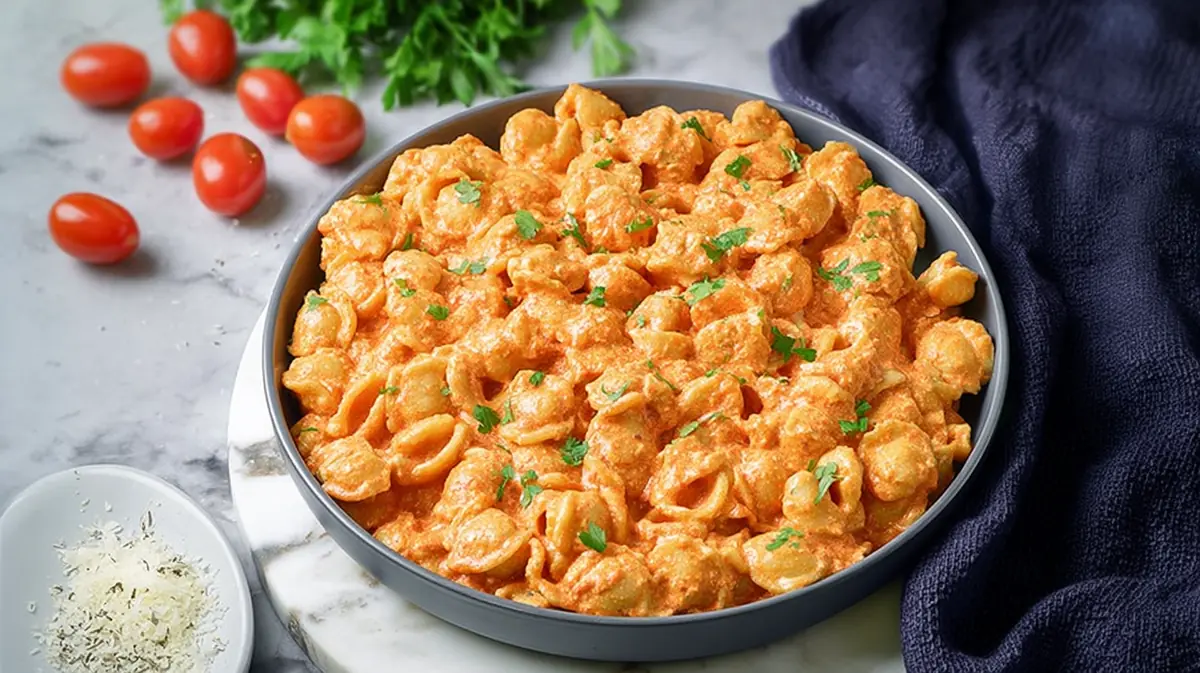
Boost Your Meals: High-Protein Cottage Cheese Pasta Sauce
Ingredients
Method
- In a medium pan, heat olive oil over medium heat. Add minced garlic and sauté until fragrant, about 1 minute.
- Stir in the canned diced tomatoes and Italian seasoning. Allow the mixture to simmer for 5-7 minutes until heated through.
- Reduce the heat to low and gently mix in the cottage cheese. Stir until well combined and heated through. Season with salt and pepper to taste.