Delicious Cabbage & Parsnip Power Roast Recipe
Ever wondered how a simple roast could burst with flavor and health benefits? Let’s dive into the world of Cabbage & Parsnip Power Roast—a dish that’s both comforting and nourishing, perfect for any occasion.
In this post, I’ll guide you through the roasting secrets and flavor pairings that turn humble vegetables into a show-stopping centerpiece. Whether you’re serving it as a delightful side or a light meal, this recipe promises to transform your kitchen into a haven of warmth and balance. Let’s get roasting!
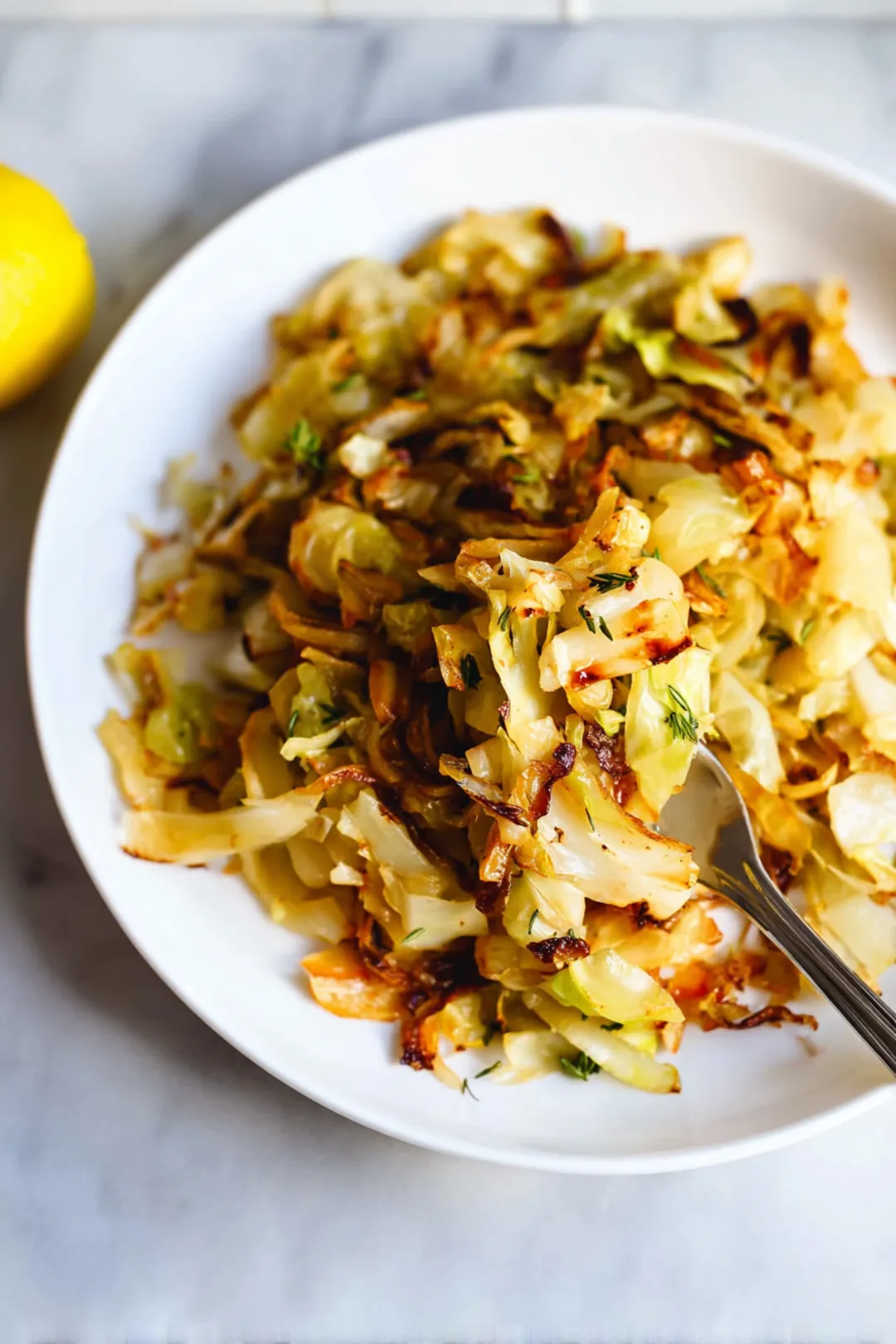
Table of Contents
Why You’ll Love This Recipe
These handy takeaways will elevate your Cabbage & Parsnip Power Roast, ensuring you not only enjoy the cooking process but also savor every flavorful bite. Let’s make this dish a staple in your kitchen!
-
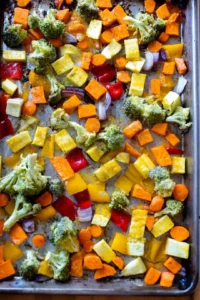
Roasting Secrets: For that perfect caramelization, ensure your vegetables are well spaced on the baking sheet. Crowding them can lead to steaming, resulting in missed opportunities for that delightful roasted texture.
-
Nutritional Powerhouse: Both cabbage and parsnips are rich in fiber and packed with vitamins C and K, which are fantastic for promoting digestive health while giving your immune system a nice boost. Did you know that fiber-rich diets can help reduce the risk of several chronic diseases?
-
Flavor Pairing: Don’t be shy about experimenting! Cabbage’s mild earthiness pairs beautifully with aromatic herbs like thyme or rosemary. In my kitchen, I love to add a touch of lemon zest right before serving to elevate the dish further. You could also try adding a dash of smoked paprika for a subtle smokiness that complements the sweetness of parsnips.
-
Parsnip Prep: Peel your parsnips for a sweeter, creamier flavor when roasted. While it’s a common debate, I recommend parboiling them for about 5 minutes before roasting to ensure they’re perfectly tender inside. Trust me, just a minute or two too long can make all the difference in texture!
-
Avoiding Mistakes: Keep an eye on your roast! Different ovens may have variances in heat, so check for doneness around the 25-minute mark to prevent overcooking. I like to give them a little toss halfway through for even roasting.
-
Serving Suggestions: This dish shines as a side to a hearty grain bowl or can stand proud on its own as a light meal. Top it off with a sprinkle of feta for added creaminess, drizzled with a tangy vinaigrette for an extra layer of flavor, or even serve it alongside a homemade lentil salad for a complete spread. For a unique twist, consider pairing it with Probiotic Spring Greens Rigatoni with Lemon for a nutritious side.
-
Storage Tips: Leftovers? Great! Just store them in an airtight container in the fridge for up to three days. Reheat gently in your air fryer to bring back that lovely crispiness. Who doesn’t love a dish that’s just as delicious the next day?
Now that you’re equipped with these insights, let’s dive into making this delicious and nutritious dish!
Ingredients for Cabbage & Parsnip Power Roast
Fresh Produce
To kick off our Cabbage and Parsnip Power Roast, you’ll need the freshest ingredients to truly make this dish shine.
-
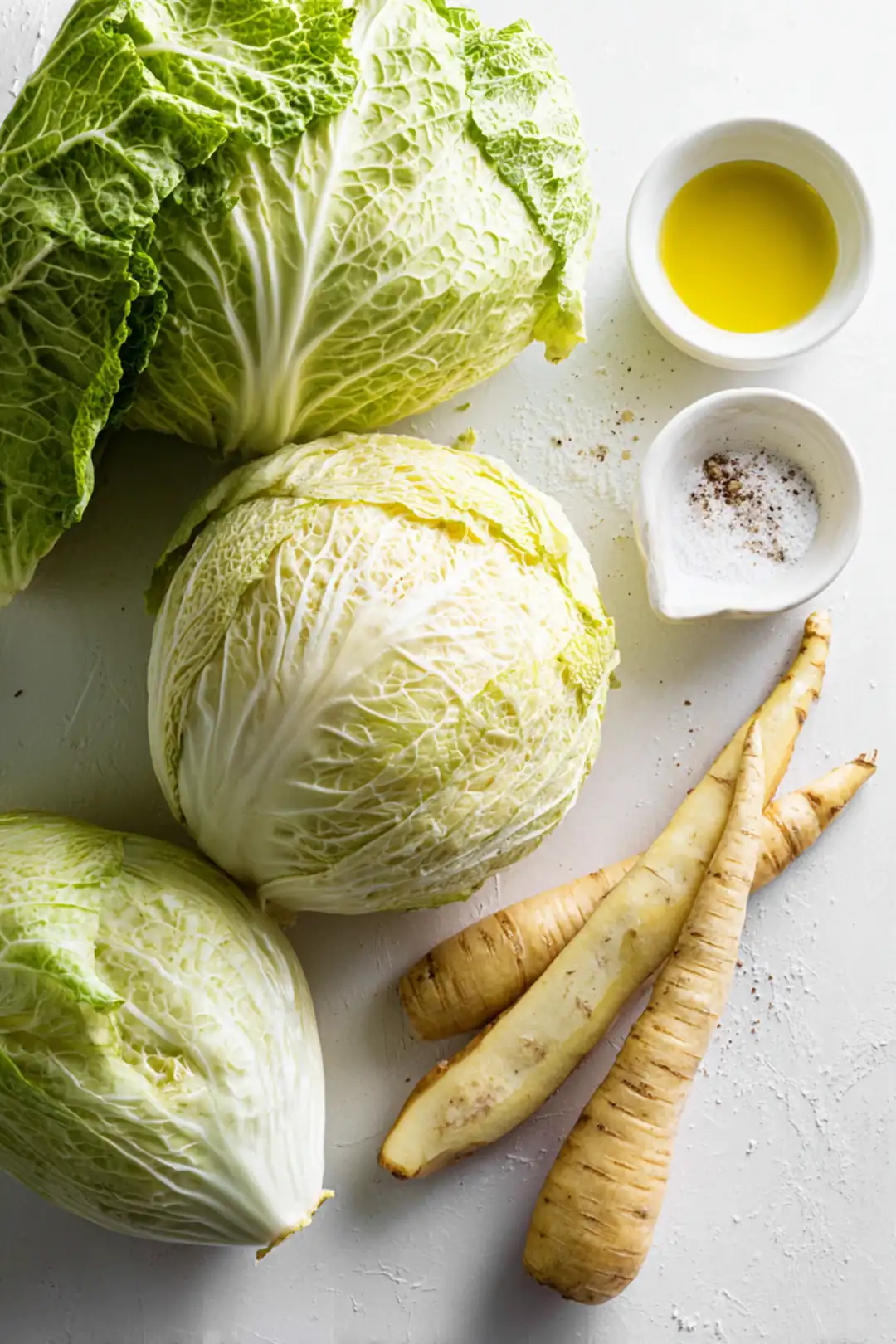
Cabbage (green or purple): When selecting cabbage, go for heads that feel heavy for their size with tightly packed leaves. Look for no blemishes or yellowing leaves—this ensures freshness, and let’s be honest, nobody wants sad-looking cabbage in their roast!
-
Parsnips: Choose parsnips that are smooth and firm, with creamy white skin. Avoid those that are woody or shriveled. Their slight sweetness enhances our roast beautifully.
-
Olive oil: A high-quality extra virgin olive oil adds flavor while aiding in the roasting process. I usually pour a generous amount to really coat the vegetables well—think of it as giving them a little spa treatment before they hit the oven!
Seasonings and Herbs
Great seasoning is key for a delightful roast.
-
Salt: Don’t skimp on this—it elevates the natural flavors.
-
Pepper: Freshly ground black pepper adds a nice, subtle heat.
-
Thyme (fresh or dried): Thyme pairs beautifully with root vegetables, bringing earthy depth. A sprinkle of fresh thyme just before serving can do wonders.
-
Rosemary (fresh or dried): A little rosemary goes a long way in making this dish aromatic and savory—perfect for those cozy evenings at home.
Optional Add-Ins
Consider these to elevate your power roast even further:
-
Garlic cloves: Minced or whole for added flavor. Garlic roasted alongside your veggies creates an intoxicating aroma!
-
Lemon juice: A splash just before serving brightens the dish and enhances the natural sweetness of the parsnips.
-
Feta cheese (for serving): Crumbling some adds a tangy punch that contrasts beautifully with the sweet roasted flavors. You can also complement this with High-Fiber Chia Seed Pudding with Fresh Rhubarb.
Preparing Your Cabbage and Parsnips
Selecting Fresh Produce
When at the market, picking the right produce is essential:
-
Look for cabbage heads that are heavy and tightly packed, ensuring you’re getting bright, crunchy greens.
-
For parsnips, the small to medium-sized ones will have the best flavor. Always check for firmness and avoid those with soft spots—nobody wants to bite into a mushy vegetable!
Essential Prep Steps
Wash your vegetables properly!
-
Start by rinsing the cabbage under cold water and removing any outer leaves that aren’t pristine. Cut it into quarters, then remove the core before chopping it into bite-sized pieces.
-
To properly peel and chop the parsnips: Use a vegetable peeler to get rid of the tough outer skin, and then slice them into even pieces for uniform roasting.
Parboiling Parsnips
Parboiling is a technique worth mastering.
-
It helps parsnips cook more evenly and enhances their sweetness. To parboil:
-
1. Bring a pot of salted water to a boil.
-
2. Add chopped parsnips and let them boil for about 5-7 minutes.
-
3. Drain and allow them to dry briefly before roasting to avoid steaming.
Mastering the Roasting Process
Prepping the Oven and Baking Sheet
Your success lies in preparation.
-
Preheat your oven to 400°F (200°C) to create the perfect roasting environment. This high heat caramelizes the natural sugars in the cabbage and parsnips, resulting in delightful flavors and textures.
-
When arranging your vegetables, ensure they’re in a single layer on your baking sheet. Overcrowding prevents proper roasting and could lead to sogginess. In my kitchen, I love to line my baking sheet with parchment paper for easy clean-up and to help with browning.
Roasting Techniques
Solid roasting techniques improve your dish.
-
Roasting at 400°F ensures a crispy exterior while maintaining a tender interior.
-
Check for doneness by observing the color: you’re aiming for a golden-brown hue and a tender texture—a fork should slide in effortlessly.
Adjusting for Crunchiness vs. Tenderness
Finding the perfect balance is key.
-
If you prefer a crunchier texture, reduce the cooking time slightly. For a softer dish, extend the roasting by a few minutes. Always check periodically; every oven varies and the last thing you want is overcooked veggies!
Flavor Enhancements and Pairings
Creative Seasoning Ideas
Don’t be afraid to experiment!
-
For an extra flavor kick, try adding cumin or smoked paprika for a smoky profile. Fresh herbs can add an exciting element—think basil or cilantro after roasting for a touch of fresh brightness.
Complementary Ingredients
Make this dish versatile by including other veggies:
-
Carrots and Brussels sprouts roast beautifully alongside cabbage and parsnips, their flavors melding together to create an even richer dish.
-
Consider serving this roast beside proteins like chickpeas or even grains like quinoa for a complete meal.
Dressing Options
A light dressing can take your dish to the next level.
-
Consider a delightful lemon vinaigrette made with olive oil, vinegar, and a touch of mustard for zing. Citrus adds brightness—perfect for balancing the sweetness of roasted veggies and enhancing your dish’s overall appeal.
Nutritional Benefits of Cabbage and Parsnip
Health Aspects
Both cabbage and parsnips are nutritional powerhouses.
-
Cabbage is packed with Vitamin K and C, boasting strong antioxidants that support overall health. Parsnips, being rich in fiber, are essential for digestive health, making this dish not only delicious but health-conscious too!
Unique Nutritional Insights
“Fiber-rich foods can improve cholesterol levels and promote heart health.” — USDA
Serving and Storing Your Power Roast
Presentation Tips
Make it visually appealing!
-
Use a large platter for family-style serving; add some fresh herbs on top or a sprinkle of lemon zest for a pop of color. After all, we eat with our eyes first!
Serving Suggestions
Think of this roast as the star of your meal!
-
Pair it with grains like farro, or use it as a side to hearty entrees, such as grilled tofu or chickpea salad. Toss some leafy greens for a colorful salad alongside for added freshness. This dish could even pair wonderfully with Ginger and Turmeric -Gut-Soothe- Iced Tea for a refreshing beverage.
Storage and Reheating Guidelines
Keep those leftovers fresh and tasty.
-
Store any leftover cabbage and parsnip power roast in an airtight container in the fridge for up to a few days.
-
For reheating, I recommend using an air fryer if you have one—it helps retain that crispy texture we all love from roasting. Aim for about 5-7 minutes at 350°F for best results.
FAQs
Do you need to parboil parsnips before roasting?
While it’s not necessary, parboiling parsnips before roasting enhances their sweetness and ensures they cook evenly. It’s a little step that makes a big difference!
Do potatoes and parsnips take the same time to roast?
No, parsnips and potatoes do not have the same roasting time. Parsnips generally take less time due to their higher sugar content and softer texture. For best results, roast parsnips for about 25-30 minutes at 400°F (200°C), while potatoes may need 35-40 minutes.
Can parsnips help lower cholesterol?
Yes, parsnips can help lower cholesterol due to their rich fiber content. The soluble fiber in parsnips aids in reducing LDL (bad cholesterol) in the body, contributing to better heart health.
Do carrots and parsnips need to be peeled before roasting?
While it’s not mandatory to peel carrots and parsnips, doing so can enhance their texture and flavor. Peeling removes any dirt and bitterness from the skin, allowing for a sweeter, more enjoyable taste.
What are some great flavor pairings for cabbage and parsnip roasts?
Cabbage and parsnips pair beautifully with flavors like garlic, thyme, and rosemary. For an extra zing, a splash of balsamic vinegar or a sprinkle of smoked paprika can also elevate the dish, balancing the sweetness of parsnips with savory notes.
Conclusion
This Cabbage and Parsnip Power Roast is not just a dish; it’s a celebration of fresh, vibrant vegetables coming together in perfect harmony. Remember to choose high-quality ingredients, master the parboiling and roasting techniques, and don’t shy away from experimenting with your favorite herbs and spices. Each bite showcases the delightful natural sweetness of parsnips and the hearty crunch of cabbage.
So, as you serve this dish, take a moment to revel in those bright flavors and the nourishing goodness packed within each serving. I encourage you to make this dish your own, play with the flavors, and perhaps share your favorite twists with me! So grab your apron, fire up that oven, and let your culinary creativity shine! Happy roasting, my friends!
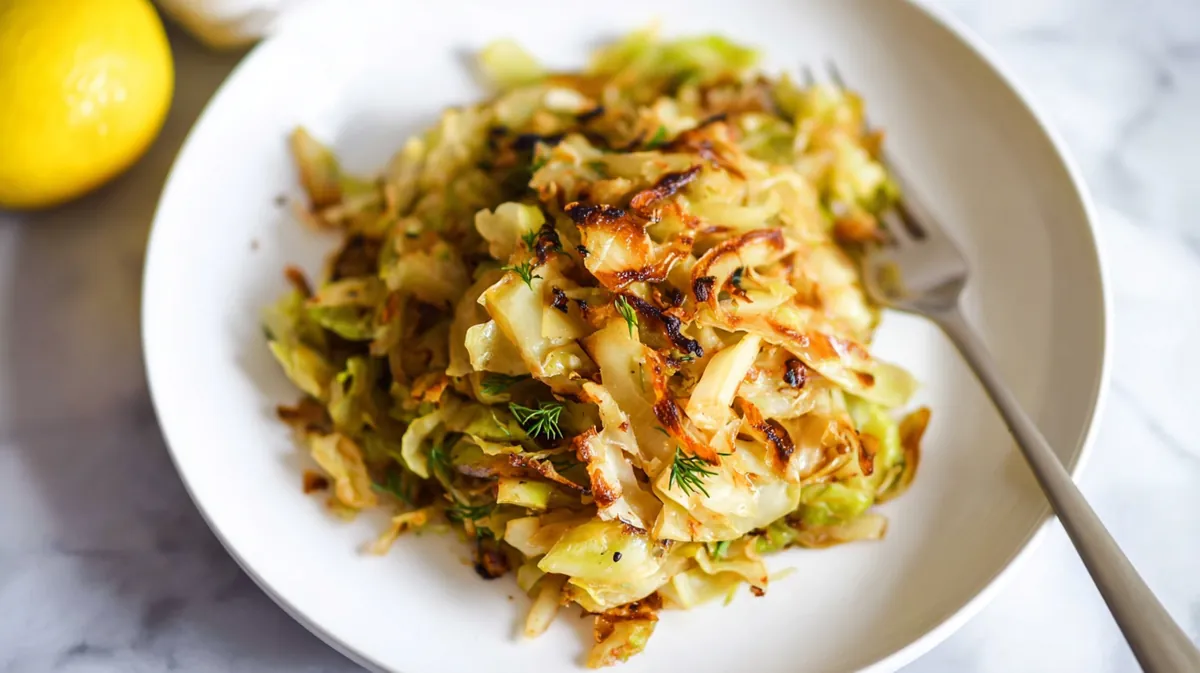
Delicious Cabbage & Parsnip Power Roast Recipe
Ingredients
Method
- Preheat your oven to 400°F (200°C).
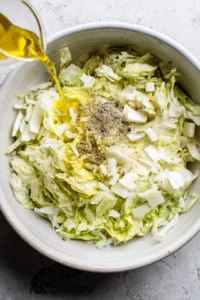
- In a large bowl, combine the chopped cabbage and parsnips. Drizzle with olive oil, and season with salt, pepper, and garlic powder. Toss until evenly coated.
- Spread the vegetables in a single layer on a baking sheet and roast in the preheated oven for about 45 minutes, or until tender and slightly caramelized, tossing halfway through.