Tender Slow Cooked Beef Shank: Easy & Heartwarming Recipe
What if I told you that the secret to a heartwarming meal lies in the perfect balance of patience and flavor? With the right techniques, your slow-cooked beef shank can transform from a tough cut into mouthwatering magic—a culinary experience everyone will savor.
In this post, I’ll guide you through an easy and comforting slow-cooked beef shank recipe that’s sure to impress friends and family alike. From searing for depth to selecting the ideal herbs and spices, each step will unveil flavors you never knew were hiding in that beautiful shank. Let’s get cooking!
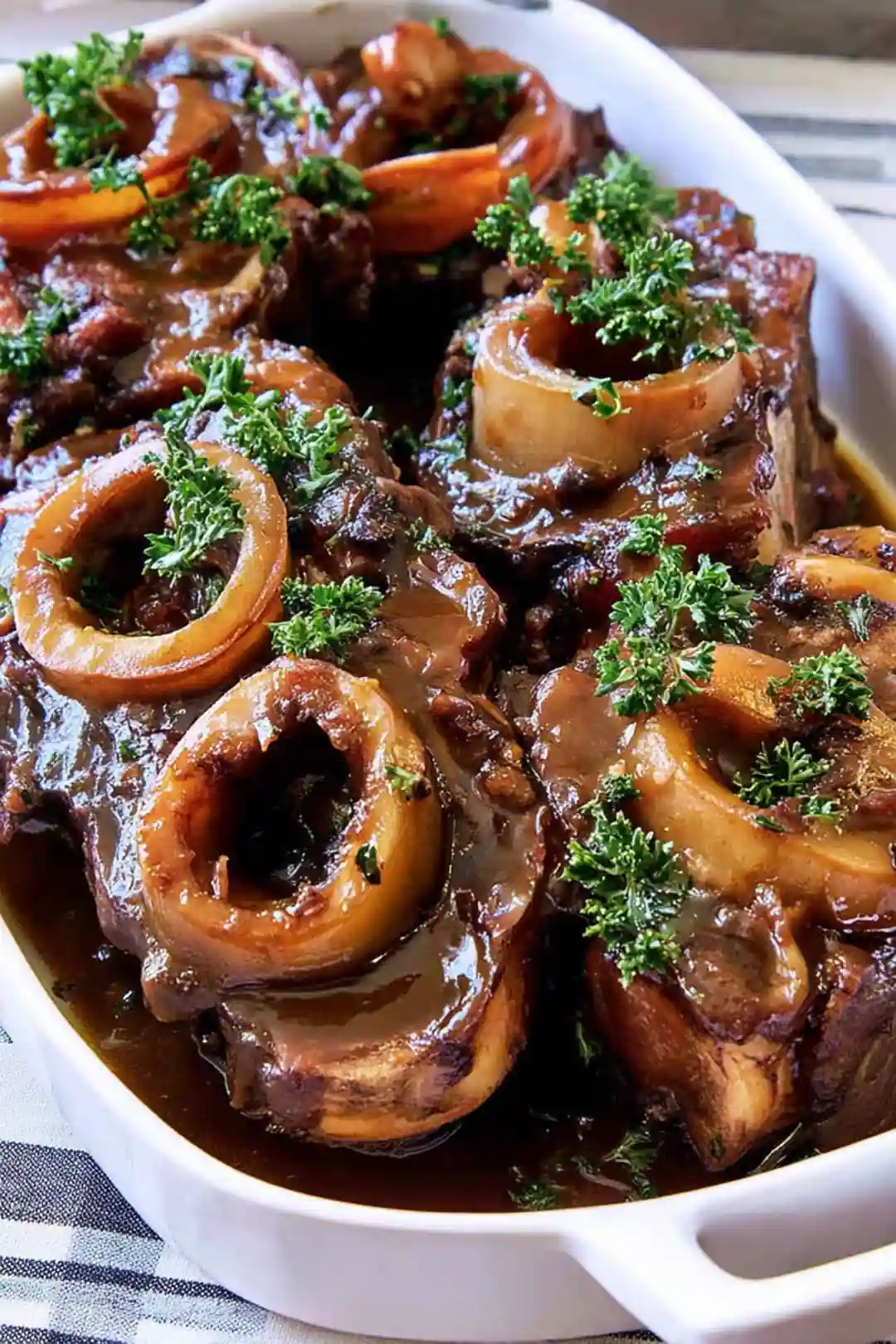
Table of Contents
Cooking Notes & Tips
Unlocking the full potential of your slow-cooked beef shank is all about understanding the science behind the cooking process. Here are some chef-driven insights to ensure your dish not only turns out perfect but warms your heart with every bite.
-
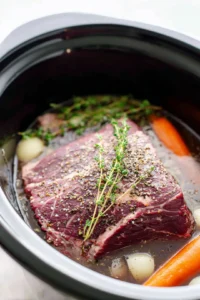
Sear for Depth: Take a few minutes to sear the beef shank before it goes into the slow cooker. This step creates a rich, caramelized crust that deepens the flavor profile and brings a delightful texture to every forkful. In my kitchen, I like to sprinkle a bit of salt on the meat right before searing to enhance that crust even more. Remember that patience is key—this little extra time makes a big difference.
-
Herbs & Spices Matter: Don’t shy away from experimenting! Incorporating spices like smoked paprika or herbs such as thyme can elevate your dish’s flavor. If you’re feeling adventurous, try blending in a few crushed garlic cloves to enhance the aroma. Trust me, fresh herbs have a more vibrant flavor than dried, so use them if you can! Consider using Italian herbs for an old-world feel or add bold cumin for a touch of warmth.
-
Liquid Levels: Use a good quality stock for the braising liquid instead of plain water. This adds layers of flavor. It’s the secret to achieving that melt-in-your-mouth tenderness. I often taste the braising liquid before cooking to adjust the seasoning, ensuring the best flavor infusion. Consider adding a splash of red wine or balsamic vinegar to amplify depth and complexity.
-
Temperature Tactics: Slow-cook your beef on a low setting (around 200°F/93°C) to ensure even cooking, breaking down connective tissues over time. The longer, the better—aim for about 8-10 hours for the best results. Trust me; the patience pays off!
-
Serving Suggestions: Pair your beef shank with creamy mashed potatoes or polenta to soak up the delicious juices. A fresh, simple salad on the side adds brightness, balancing the heartiness of the meal. If you’re feeling inspired, why not try serving it with some crusty artisan bread to soak up every last drop of that flavorful sauce?
-
Leftover Magic: If you have any leftovers (which is rare but possible), shred the meat and toss it with barbecue sauce for a hearty sandwich filling, or add it to a stir-fry for a quick and satisfying meal. You could also create a flavorful beef hash for a hearty breakfast—what a tasty way to start the day! For a great recipe using leftovers, consider making Leftover Smash Tacos!
-
Culinary Exploration: Consider integrating flavors from different cuisines; adding soy sauce and star anise for a Chinese twist, or olives and capers for an Italian influence can completely transform your beef shank experience. Don’t be afraid to explore unique herbs, spices, or even cooking styles to create a signature dish you can proudly share!
Understanding the Beef Shank Cut
What is Beef Shank?
Beef shank is a beautiful cut of meat derived from the leg of the cow, rich in connective tissue and marrow. This unique composition makes it a fantastic choice for slow cooking techniques, where the long cooking times tenderize the meat and transform its flavor. When you slow-cook beef shank, you’ll be treated to a rich, beefy profile that’s perfect for family meals, cozy nights, or gatherings with friends.
Best Cuts for Slow Cooking
When choosing your beef shank, look for pieces that feature a good blend of meat, fat, and bone. Bone-in beef shank is particularly ideal for slow-braising dishes, as the marrow enriches the broth with a depth of flavor. It’s also vital to check for visible fat marbling. This fat will melt during the cooking process, ensuring your dish achieves that juicy, tender texture.
Why Choose Beef Shank for Braising?
Braising is the go-to method for tougher cuts like beef shank. The moist heat slowly breaks down the collagen present in the meat, rendering it fork-tender. As the USDA wisely notes, “Cooking meat with moist heat methods helps make it more tender.” This means no rushing—slow cookers create an environment where flavors develop beautifully while maintaining moisture.
Preparing Your Ingredients
Essential Ingredients for a Perfect Beef Shank Recipe
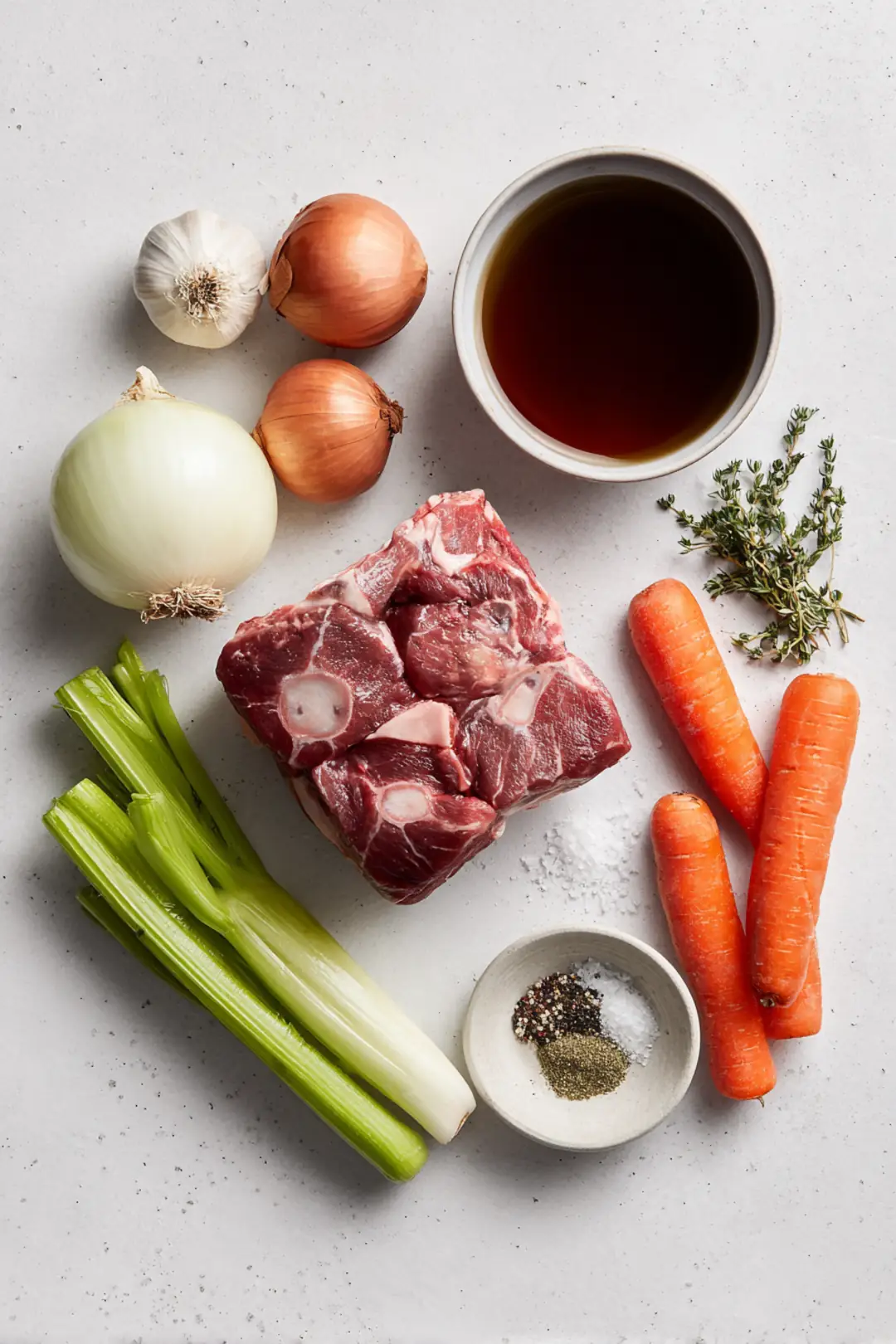
To craft a hearty beef shank slow cooker dish, you’ll need a handful of essential ingredients:
-
Bone-in beef shank
-
Onions for sweetness and depth
-
Garlic to add warmth and fragrance
-
Carrots for sweetness and color
-
Celery for that classic base flavor
-
Low-sodium beef broth for a savory foundation
-
Optional: A splash of red wine for added richness
Optional Ingredients for Added Flavor
Consider enhancing your dish with optional ingredients:
-
Fresh herbs like rosemary or bay leaves to infuse aroma
-
A splash of balsamic vinegar for a bit of acidity
-
Mushrooms to introduce earthiness
These enhancements elevate the flavor profile and allow you to explore different taste territories, making each dish uniquely yours. Imagine the delightful surprise of guests as they experience new layers of flavor with every bite!
Preparation Tips: Trimming and Seasoning Meat
Before you start your culinary adventure, trim any excess fat from the beef shank to avoid a greasy final dish. While some fat is essential for flavor, excessive amounts can overwhelm your dish. Once trimmed, don’t skimp on seasoning; a generous sprinkle of salt and pepper will amplify the meat’s natural flavors. In my experience, letting the seasoned meat sit for 30 minutes before cooking allows the salt to penetrate better, enhancing the overall flavor.
Slow Cooking Techniques
The Importance of Searing the Meat
I can’t stress enough the importance of searing your beef shank before it meets the slow cooker. This crucial step creates a lovely brown crust, sealing in juices and enhancing the overall flavor profile. Take about 5-7 minutes to get a golden-brown sear on all sides—trust me, the effort translates into a vastly improved dish.
Choosing the Right Slow Cooker Settings
Most slow cookers feature low and high settings. For the best results, opt for the low setting and let your beef shank cook for approximately 8 hours. If you find yourself in a time crunch, you can switch to high for about 4 hours; just keep in mind that the texture might not be quite as luxuriously tender as with the low setting.
Braising Liquid: Stocks, Wines, and Enhancements
The choice of braising liquid is pivotal. A mix of low-sodium beef broth and a cup of red wine can transform the liquid into a sumptuous base filled with flavor. Feel free to experiment with different options—a homemade stock will elevate your dish, while soy sauce can add a delicious umami kick for the adventurous at heart. Consider adding a bit of tomato paste for extra richness if you want to create an intensely flavorful braise.
Flavor Enhancements
Herb and Spice Combinations to Try
When it comes to herbs and spices, don’t hesitate to experiment. Mixing in dried thyme, bay leaves, or even a touch of smoked paprika can elevate your beef shank slow cooker recipe without overwhelming the dish. Just remember—less is often more, so start small and adjust as you go. Fresh herbs added at the end of cooking can really brighten the flavor and finish off your dish nicely.
Incorporating Global Influences
Diving into global cuisines can open up a treasure chest of flavor possibilities. For an Italian flair, add oregano and extra carrots. Alternatively, mix in cumin and cilantro for a Hispanic-inspired twist. You might even consider coconut milk and curry flavors for an exciting Asian-inspired creation. These variations not only keep your cooking exciting but also introduce new textures and flavors that elevate a classic dish into something extraordinary.
How to Adjust Seasoning to Personal Taste
Throughout the cooking process, don’t hesitate to taste and adjust the seasoning to suit your palate. Add more salt for boldness or a splash of vinegar to balance richness. Your taste buds are your best friends in the kitchen!
Cooking Time and Temperature
Ideal Cooking Times for Tenderness
With beef shank, the mantra is “low and slow.” Aim for about 8 hours on low to achieve that melt-in-your-mouth texture we crave. Do keep in mind that every slow cooker is a bit different, so it’s wise to check in and ensure everything is progressing beautifully.
Understanding Temperature Control
If you’re using a meat thermometer, look for an internal temperature of around 190°F (88°C). That’s the sweet spot when the collagen breaks down beautifully, leading to tender, delectable results.
Signs Your Beef Shank is Done
You’ll know your beef shank is ready when it pulls apart effortlessly with a fork and the bones separate from the meat with little resistance. If it still feels a bit tough, don’t hesitate to let it cook for another hour—after all, patience is a virtue in slow cooking!
Serving the Dish
Suggested Sides that Complement Beef Shank
Classic sides like mashed potatoes or crusty bread are wonderful accompaniments, perfect for soaking up that luscious braising liquid. You might also want to consider a fresh green salad or roasted vegetables for a nice balance on your plate. A tangy slaw can add an exciting crunch!
Creative Serving Ideas
For a rustic touch, serve the beef shank straight from the slow cooker with ladles of broth, garnished with fresh parsley. Alternatively, try shredding the meat for hearty tacos or over creamy polenta for a delightful unexpected twist. A drizzle of spicy salsa or a sprinkle of feta can elevate the dish further! You could also try integrating a recipe like Turkey stuffing smash tacos for a unique variation.
Storing and Reheating Leftovers
Store any leftovers in an airtight container for up to 3 days. When reheating, do so on low in either the microwave or stovetop, adding a bit of liquid to keep the moisture intact. Leftover beef shank can shine in soups or casseroles, perfect for a quick and satisfying meal.
Tips for Mastering Slow-Cooked Beef Shank
Common Mistakes to Avoid
One common pitfall is overcooking on high settings, which can lead to dry, tough meat. Also, skipping the searing step is a mistake you’ll want to avoid—this step significantly enhances flavor!
Variations for Dietary Needs (Gluten-Free, Low-Carb)
If gluten-free is your goal, ensure your broth is certified gluten-free and consider skipping optional ingredients like soy sauce. For a lower-carb alternative, serve your dish over cauliflower mash instead of traditional potatoes. This gives a creamy texture while cutting out the carbs—delicious!
Making the Most of Your Leftovers
Don’t let those leftovers go to waste! Consider transforming them into a delightful beef soup or stir-fry. You could also whip up a shepherd’s pie for a cozy twist on leftovers. The possibilities are endless, allowing you to enjoy those rich flavors while also reducing food waste. Why not try using a viral leftover taco hack for an exciting take with your beef leftovers?
FAQ
Is shank good for slow cooking?
Yes, beef shank is excellent for slow cooking! Its tough fibers break down during long cooking times, resulting in a tender and flavorful dish perfect for cozy family meals.
What is the best cooking method for beef shank?
Braising is the best method for cooking beef shank. It involves cooking the meat slowly in liquid, allowing the connective tissues to break down beautifully and flavors to meld, resulting in a rich, satisfying dish.
How long to cook boneless beef shank in a slow cooker?
Cook boneless beef shank in a slow cooker for 6 to 8 hours on low heat, or 4 to 5 hours on high. The low and slow method ensures that the meat becomes tender and flavorful, making it perfect for hearty meals.
Which cooking method is best for the shanks?
The best cooking method for beef shanks is braising, as it delivers the ideal tenderness and flavor. Other methods, like slow cooking or stewing, can also be effective, but braising allows the meat to absorb the cooking liquid’s rich flavors.
What sides pair well with slow-cooked beef shank?
Slow-cooked beef shank pairs beautifully with mashed potatoes, polenta, or crusty bread. Roasted vegetables or a fresh salad can also complement the dish, adding variety and balance to your meal.
Conclusion
Cooking with beef shank is not just about flavor—it’s about creating a warm, comforting experience that brings friends and family together. This versatile cut, enriched by slow cooking, rewards you with melt-in-your-mouth tenderness that elevates any occasion. Remember to embrace the art of seasoning, experiment with global flavors, and always prioritize that crucial searing step. With a little patience and creativity in your cooking methods, you’ll find that this humble cut of meat can become the star of your dining table.
So gather your loved ones, pour a glass of red wine, and let the slow-cooked magic unfold! I challenge you to discover just how many delicious transformations this beloved cut can undergo. Happy cooking, my friends!
Tender Slow Cooked Beef Shank: Easy & Heartwarming Recipe
Ingredients
Method
- In a large skillet over medium-high heat, add a splash of oil and sear the beef shank pieces until browned on all sides, about 5-7 minutes.
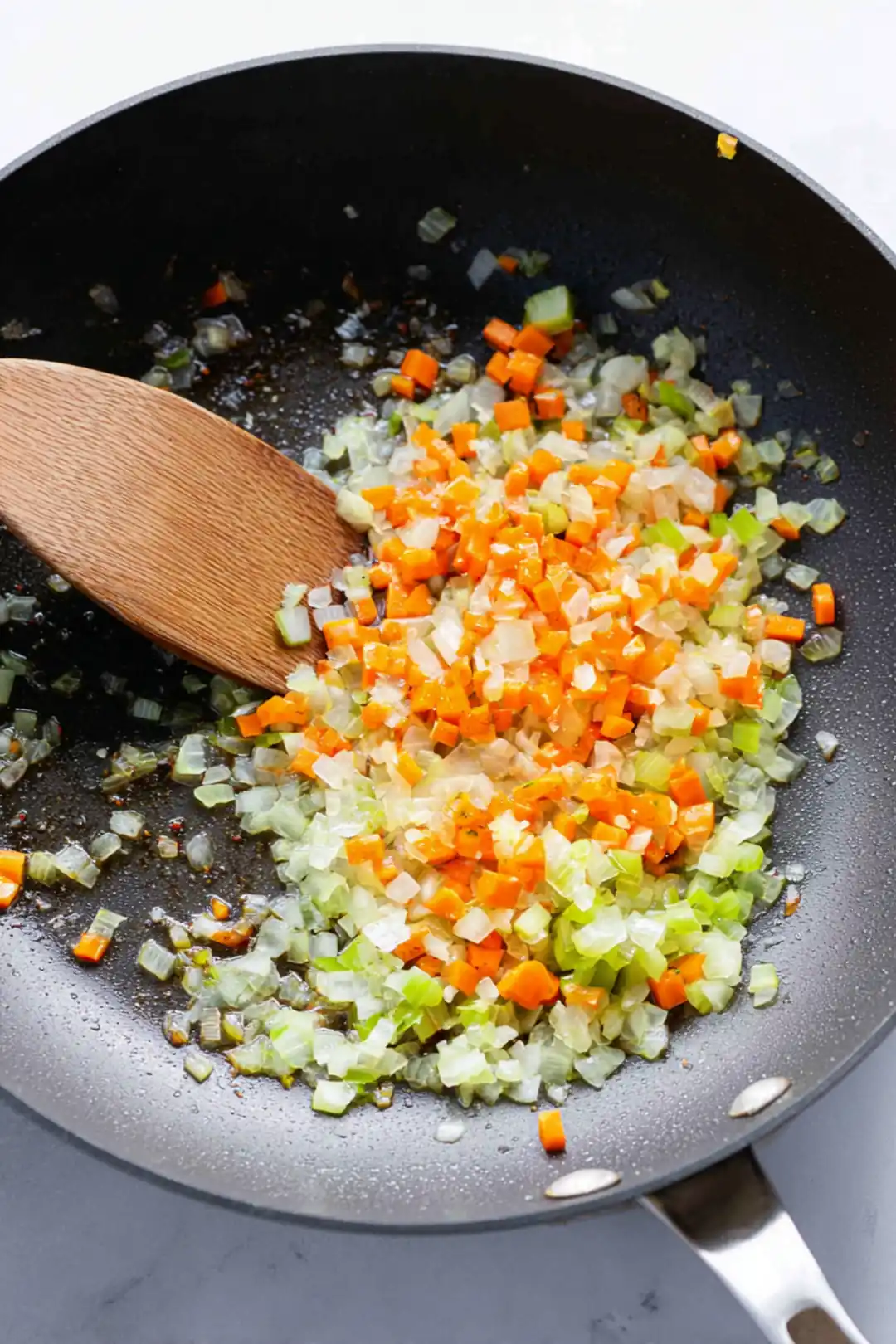
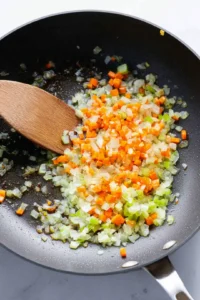
- Transfer the beef shank to a slow cooker. In the same skillet, sauté the onions, garlic, carrots, and celery until softened, approximately 5 minutes, then add to the slow cooker.
- Pour the beef broth and red wine into the slow cooker, followed by the thyme, salt, and pepper. Cover and cook on low for 8 hours until the meat is tender and falling off the bone.