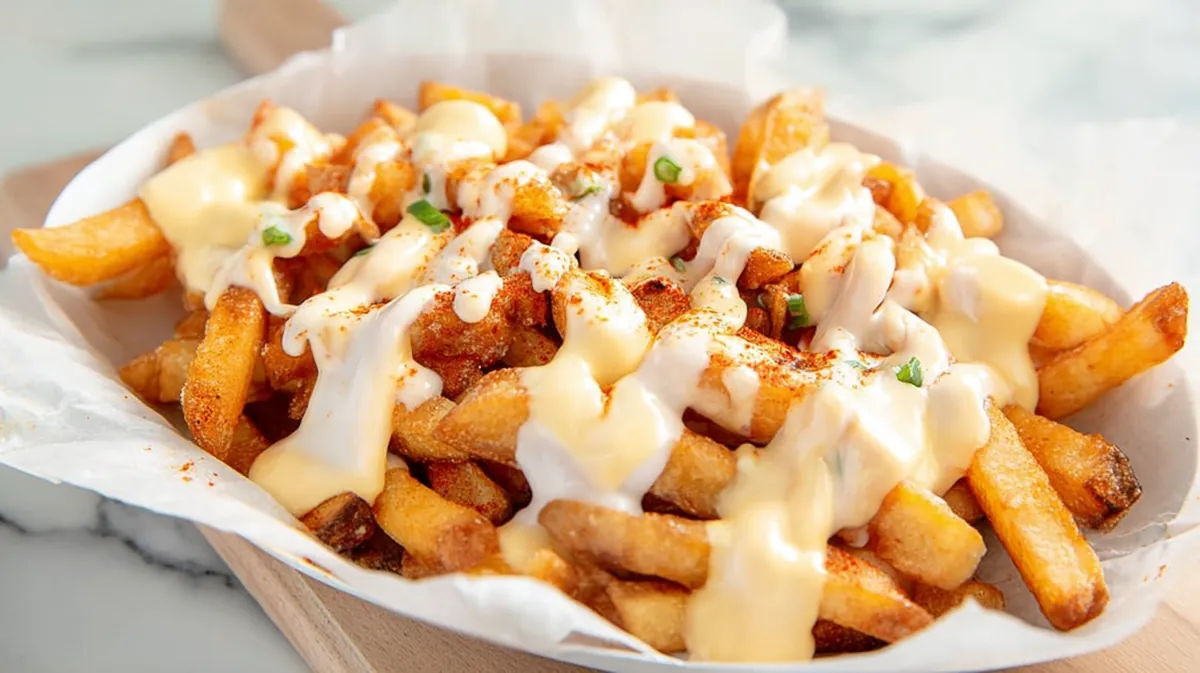
Make Delicious Fries with Grass-Fed Beef Tallow
Ready to take your fry game to the next level? Imagine biting into a crispy, golden fry, infused with the rich, buttery flavor of grass-fed beef tallow. It’s a culinary experience that promises not just satisfaction but a touch of gourmet delight.
In this post, I’ll show you how to make these delicious fries and explain why grass-fed beef tallow is a game-changer in the kitchen. From mastering the perfect cooking temperature to adding gourmet twists, let’s transform your fries into a culinary delight that nourishes both body and planet. Let’s get frying!
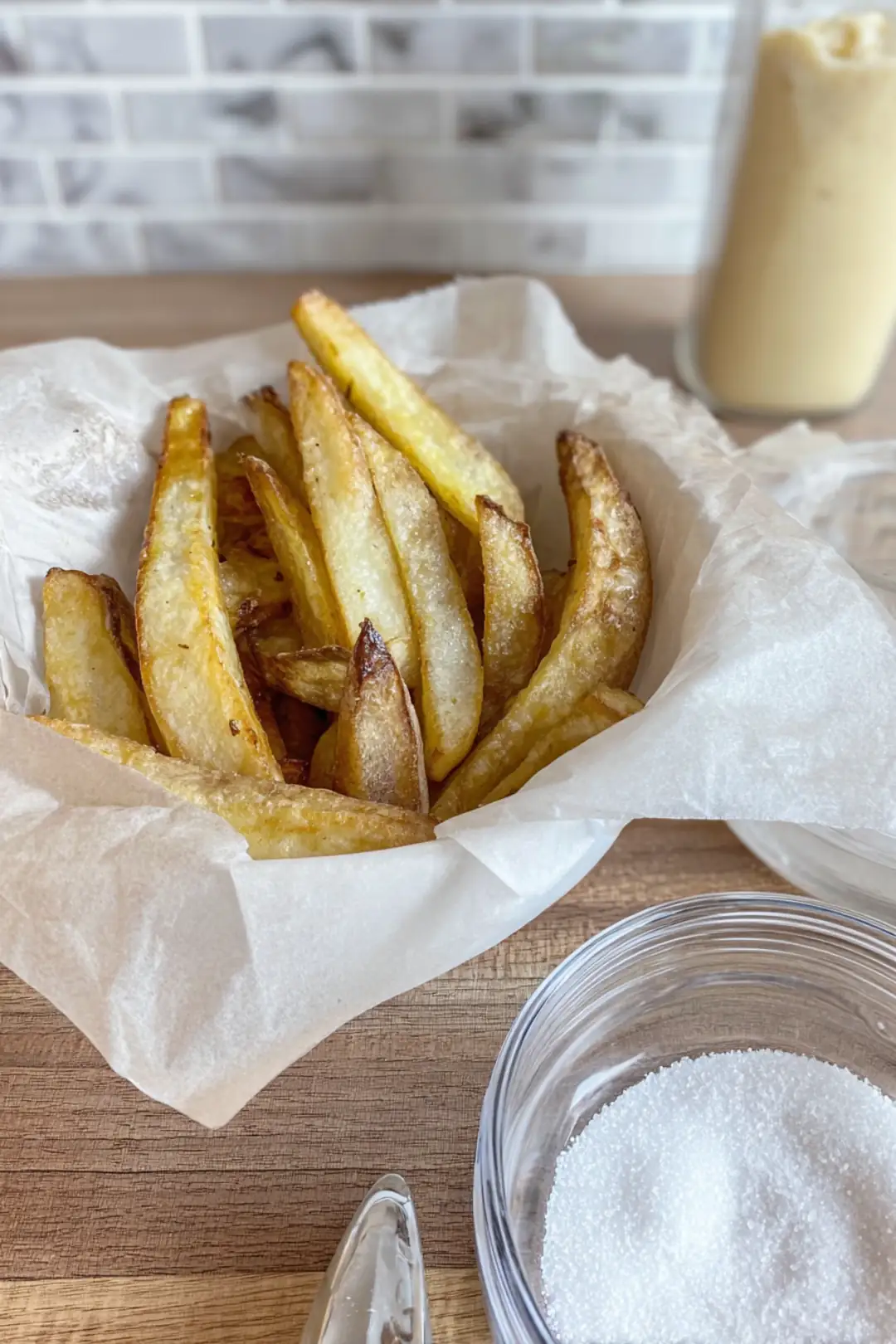
Table of Contents
Quick Tips
Ready to elevate your fry game? These tips will guide you through making the crispiest, most delicious fries with the unique flavor of grass-fed beef tallow. Trust me, these insights will turn your kitchen into a fryer paradise!
-
Temperature Control: Aim for a precise frying temperature between 350°F and 375°F. This range allows the fries to become golden and crisp while avoiding greasiness. A quick kitchen thermometer is your best friend! In my kitchen, I make it a point to test the temperature with a scrap piece of potato before frying the whole batch—this little trick can save you from soggy fries!
-
Pre-Cook for Perfect Tenderness: Par-cooking your fries in salted water before frying can enhance a soft interior while ensuring a crispy outside. This technique not only allows for tenderness but lends a fluffy bite that contrasts beautifully with the crispy exterior.
-
Flavor Boost: Right after they come out of the fryer, try tossing your fries in freshly cracked pepper and sea salt. This added seasoning elevates their natural flavors and gives a gourmet touch! Additionally, I enjoy experimenting with various seasonings such as smoked paprika or garlic powder for an added flare that surprises the taste buds!
-
Substitutions with a Twist: If you’re out of grass-fed beef tallow, you can swap it for high-quality duck fat or even lard. Both will impart rich flavors and maintain that delightful crispiness, ensuring you don’t miss out on the experience.
-
Serve with Style: Elevate your fries by offering them with a homemade dipping sauce. A creamy garlic aioli or a zesty ranch dressing pairs beautifully, enhancing your meal’s appeal with a personal touch. Don’t be afraid to get creative—think chipotle mayo or tangy curry ketchup for unique twists!
-
Avoid Overcrowding: Fry in small batches for the best results. When you overcrowd the pan, it drops the oil temperature, resulting in soggy fries. Less is truly more here!
-
Environmental Benefits: Choosing grass-fed beef tallow isn’t just tasty; it’s a sustainable option that supports regenerative agriculture practices, making your frying both delicious and eco-friendly.
Understanding Grass-Fed Beef Tallow
What is Beef Tallow?
Beef tallow is the rendered fat from cows that has been treasured for centuries as a culinary delight due to its high smoke point and rich flavor profile. The process of extraction involves slowly cooking beef fat until it melts down, allowing impurities to separate, leaving behind a pure, golden fat ideal for frying or sautéing.
What’s fascinating is the difference between grass-fed and conventional tallow. Grass-fed cattle are raised on pasture, which results in a higher nutrient density in their fat. This produces a tallow that not only boasts a cleaner flavor but also comes packed with beneficial nutrients—like a culinary superfood!
Health Benefits of Grass-Fed Beef Tallow
When it comes to nutritional content, grass-fed beef tallow holds its own against other frying oils. It’s known for its higher levels of vitamin A, which supports eye health and immune function, as well as essential minerals. Additionally, its balanced ratio of omega-3 to omega-6 fatty acids makes grass-fed tallow a favorable option for frying:
“When considering frying fats, grass-fed beef tallow has a better omega-3 to omega-6 ratio than many vegetable oils.”
— Healthline
This means that not only can you indulge in crispy, delicious fries, but you’re also choosing a healthier frying option that aligns with your well-being.
The Sustainability Factor
Shifting our gaze towards the bigger picture, grass-fed beef tallow is closely tied to regenerative agriculture. This practice emphasizes sustainable farming techniques that enhance soil health, boost biodiversity, and facilitate carbon sequestration. By opting for grass-fed beef tallow, you’re not just making a choice for your taste buds, but you’re also contributing positively to the planet’s health. It’s a win-win that makes your fries all the more satisfying.
Preparing for Perfect Tallow Fries
Selecting the Right Potatoes
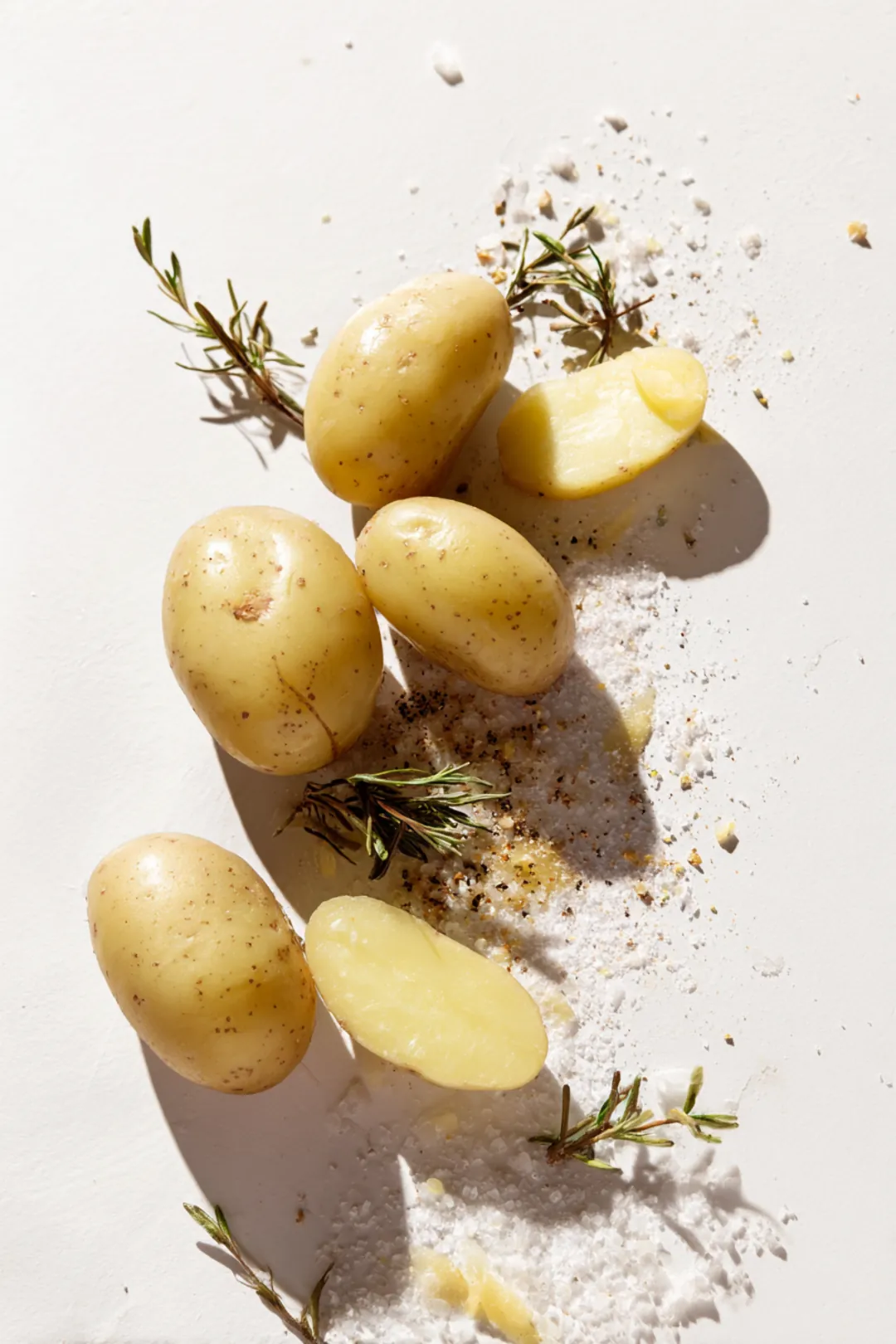
The journey to perfect tallow fries begins with choosing the right potatoes. I recommend varieties like Russets or Yukon Golds, known for their high starch content, yielding crispy exteriors and fluffy interiors. When cutting your fries, aim for a thickness of about ¼ inch—this is the sweet spot. Thin enough to achieve that glorious crispness but thick enough to hold onto moisture and fluff.
Pre-Cooking Techniques
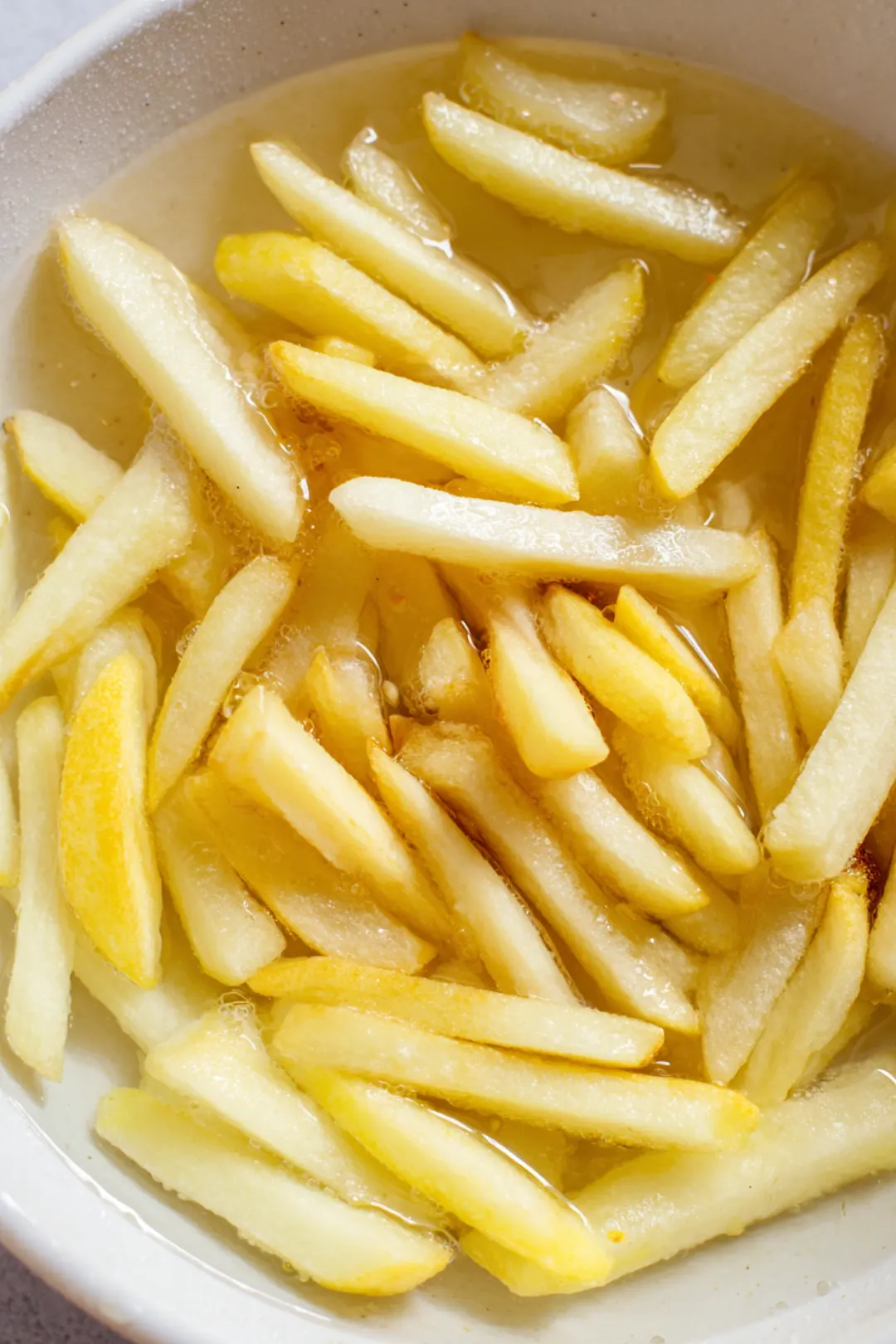
One of my favorite tricks to achieve that sought-after crispiness is the par-cooking technique. Before hitting the frying pot, boil the cut fries in salted water for about 5-7 minutes. This step not only removes excess starch but primes your fries for frying, setting you up for success in getting that golden-brown, mouthwatering finish.
The Frying Process
Equipment Needed
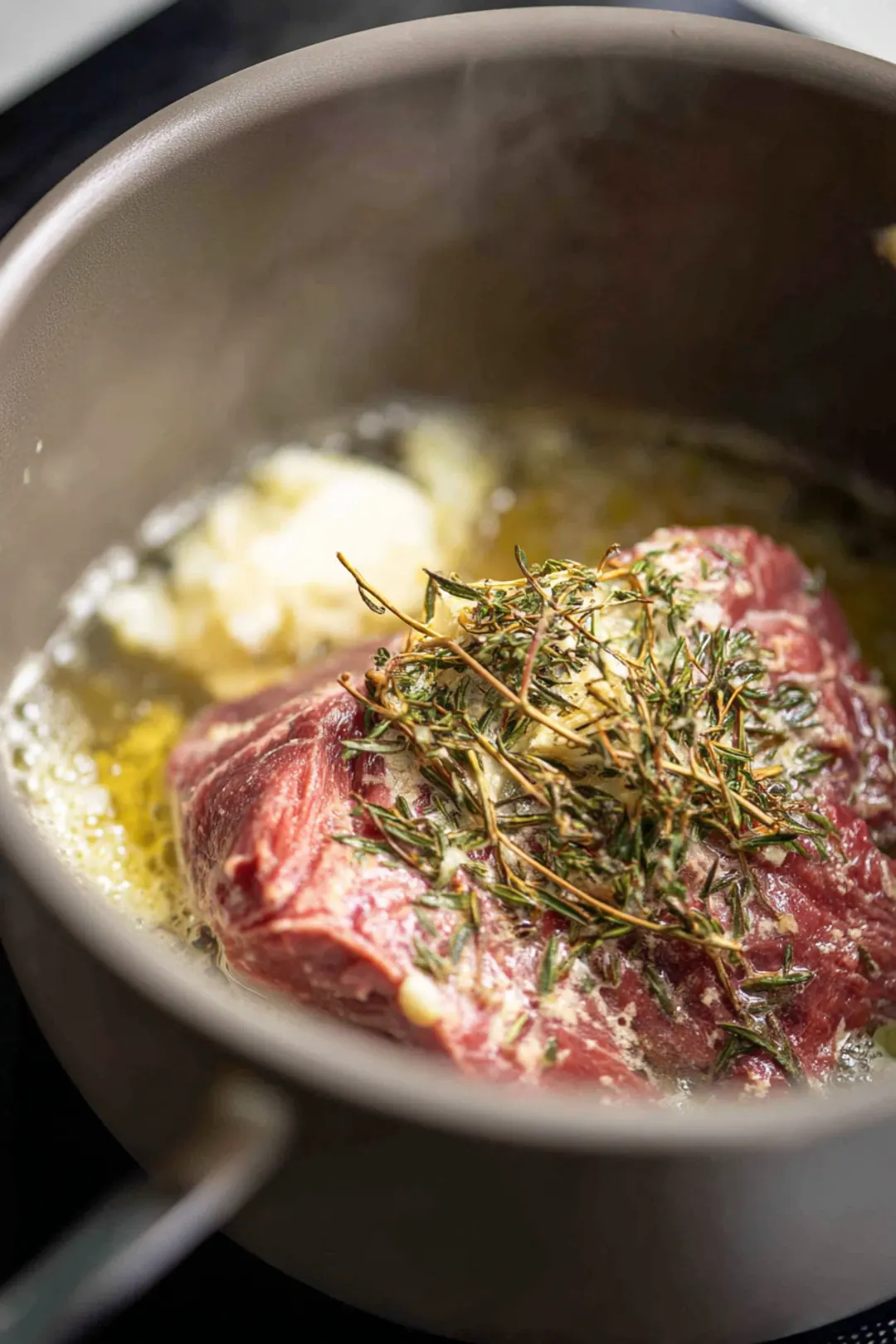
A few key pieces of equipment can make a world of difference in your fry-making journey. I recommend using a heavy pot or Dutch oven to ensure even heat distribution. Having a thermometer at hand is absolutely crucial; it allows you to monitor your oil temperature accurately. If you’re keen on experimenting with healthier alternatives, an air fryer can be a game changer, though I must admit, the flavor of tallow-fried fries is simply unbeatable.
Mastering Cooking Temperature
When it comes to frying, temperature is everything! Aim for an oil temperature between 350°F (175°C) and 375°F (190°C). A handy tip for maintaining this temperature is allowing your oil to return to the desired heat between batches, ensuring that every fry fries to its golden perfection consistently.
Frying Your Tallow Fries
Now to the heart of the matter—frying those potatoes! Work in small batches so that your fries have space to cook evenly. Overcrowding the pot leads to soggy fries, and nobody wants that! Ideally, aim for about 3-4 pieces per batch, allowing them to achieve that coveted crispy finish as they fry.
Flavoring and Serving Tips
Seasoning Post-Fry
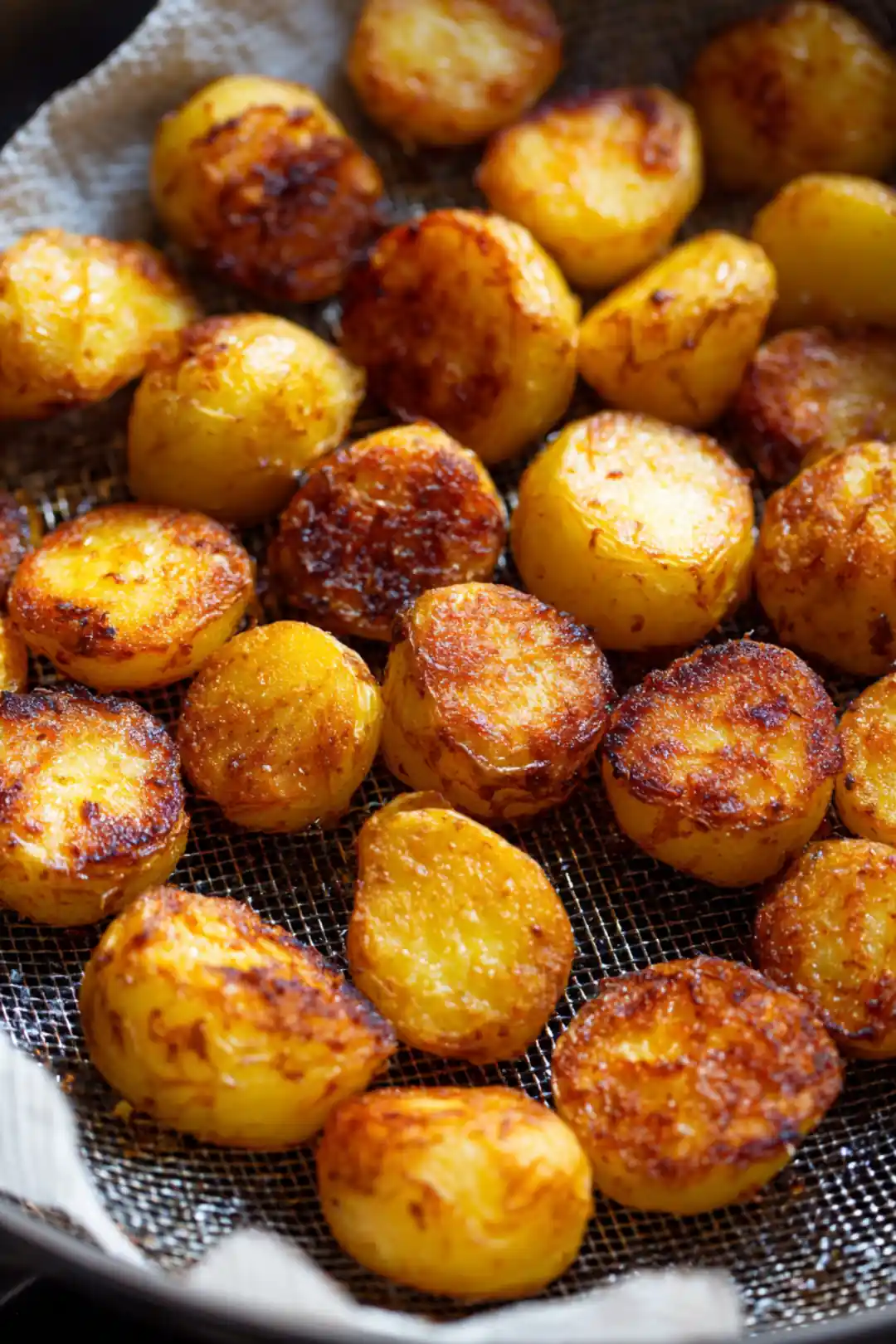
As soon as your beautiful fries emerge from the tallow, don’t forget to season them while they’re hot. A sprinkle of sea salt and freshly cracked pepper enhances their natural flavors beautifully. For an extra touch of luxury, consider adding a drizzle of truffle oil or a scattering of fresh herbs for a gourmet twist.
Creative Dipping Sauces
There’s nothing quite like a good dipping sauce to complete the fry experience. Whip up a quick aioli, spicy ketchup, or even a cilantro lime crema to elevate your fry game. Picture this: a classic burger or a refreshing salad pairs perfectly alongside your crispy tallow fries, rounding out a delectable meal. You might also consider some offerings like a Spicy Sizzling Skillet Queso Burgers for a unique pairing!
Presentation Ideas
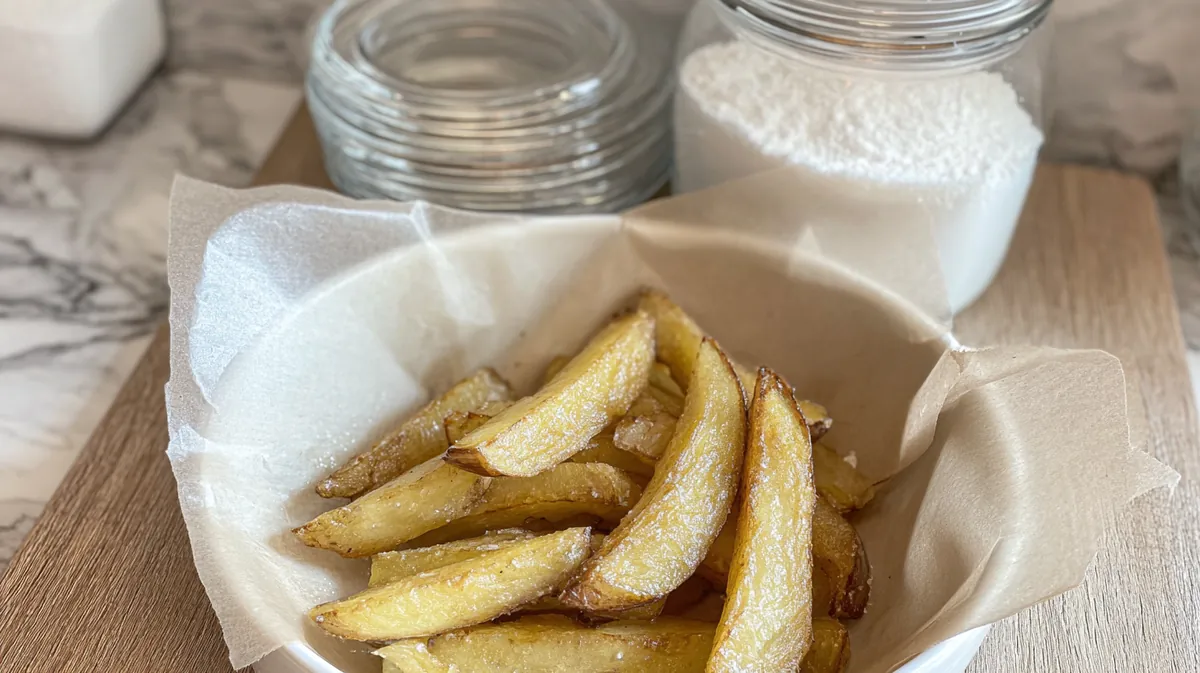
Presentation matters! For a charming way to serve your fries, consider garnishing them with fresh herbs or serving them in a stylish cone or parchment paper. This little nod to restaurant-style dining is bound to impress, and trust me, your diners will appreciate the flair!
Common Mistakes and How to Avoid Them
Overcrowding the Fryer
One of the most common missteps in frying is overcrowding the pot. This mistake can lead to soggy fries as it drops the oil temperature. Stick to small batches of 3-4 pieces for the best results.
Mismanaging Frying Temperature
Recognizing poorly heated oil is vital; watch for signs like smoking oil or fries browning too quickly. If you notice these, adjust your temperature down accordingly. Keeping your oil at the right heat consistently will reward you with those perfect crispy fries.
Storing Leftover Tallow and Fries
For any leftover tallow, store it in an airtight container in the refrigerator. When reheating fries, skip the microwave—opt for the oven instead. This will help restore their crunchy texture and make them just as irresistible as when they were first cooked.
FAQs
What are the health benefits of using grass-fed beef tallow for frying?
Grass-fed beef tallow is rich in nutrients like omega-3 fatty acids and vitamins A, D, and K. It boasts a higher smoke point compared to many vegetable oils, making it ideal for frying. This healthy fat can enhance the flavor of your fries while providing essential nutrients.
How does beef tallow compare to other frying oils?
Beef tallow generally has a higher smoke point than many common frying oils, such as olive or canola oil, making it less likely to break down during cooking. It also adds a unique flavor that enhances the taste of fried foods, giving them a delicious, rich profile that many oils can’t match.
Is frying French fries in beef tallow a healthy choice?
Yes, frying French fries in beef tallow can be a healthier choice compared to other oils, especially when sourced from grass-fed beef. It provides beneficial nutrients, has a favorable fat profile, but remember, moderation is key as it is still high in calories.
Why did McDonald’s stop using beef tallow for their fries?
McDonald’s stopped using beef tallow mainly due to health concerns regarding saturated fats and dietary preferences. Shifting to vegetable oils allowed them to cater to a broader audience and align with changing consumer health trends.
What are the downsides of using beef tallow in cooking?
While beef tallow has many advantages, it’s higher in saturated fats compared to vegetable oils, which may not align with everyone’s dietary needs. Additionally, sourcing quality grass-fed tallow can be more expensive and harder to find than common frying oils.
Cooking Alternatives
If you’re curious about alternatives, consider how beef tallow compares to olive oil or canola oil. Other options like duck fat or lard can also impart distinct flavors to your dishes, each with their unique characteristics that create a delightful culinary experience.
Conclusion
Using grass-fed beef tallow for frying not only elevates your fries with incredible flavor but also makes a wise choice for your health and the environment. From selecting the right potatoes to mastering the frying technique, each step is designed to ensure crispy, golden perfection. Remember, it’s all about patience and temperature control—small batches and a keen eye will reward you with the ultimate fry experience.
So, next time you’re ready to whip up a batch of fries, consider the magic of grass-fed tallow. Your taste buds—and perhaps even your guests—will thank you! Now, go forth and fry to your heart’s content—happy frying, and may your kitchen always be filled with savory aromas!
Make Delicious Fries with Grass-Fed Beef Tallow
Ingredients
Method
- Peel the potatoes and cut them into fries of your desired thickness. Soak them in cold water for at least 30 minutes to remove excess starch.
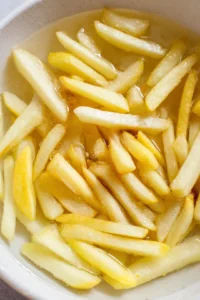
- In a large pot, heat the grass-fed beef tallow over medium heat until it reaches 350°F (175°C).
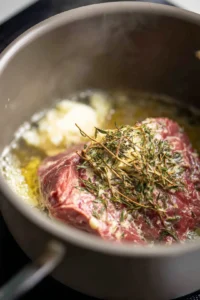
- Fry the potatoes in batches until golden brown and crispy, about 5-7 minutes per batch. Remove and drain on a paper towel. Season with salt and pepper to taste.