
Transform Vegetable Scraps into Immunity-Boosting Broth!
Is your kitchen overflowing with veggie scraps that often end up in the trash? Imagine transforming those leftovers into a soothing, immunity-boosting broth that warms both body and soul!
Join me, Chef Olivia, as we embark on this flavorful journey of crafting a nourishing broth from what many consider waste. I’m thrilled to share my best-kept secrets for selecting the finest scraps, infusing delightful flavors, and creating a pot of liquid gold that not only enhances your health but also champions sustainability. Get ready to embrace your inner culinary wizard and make the most of what you have!
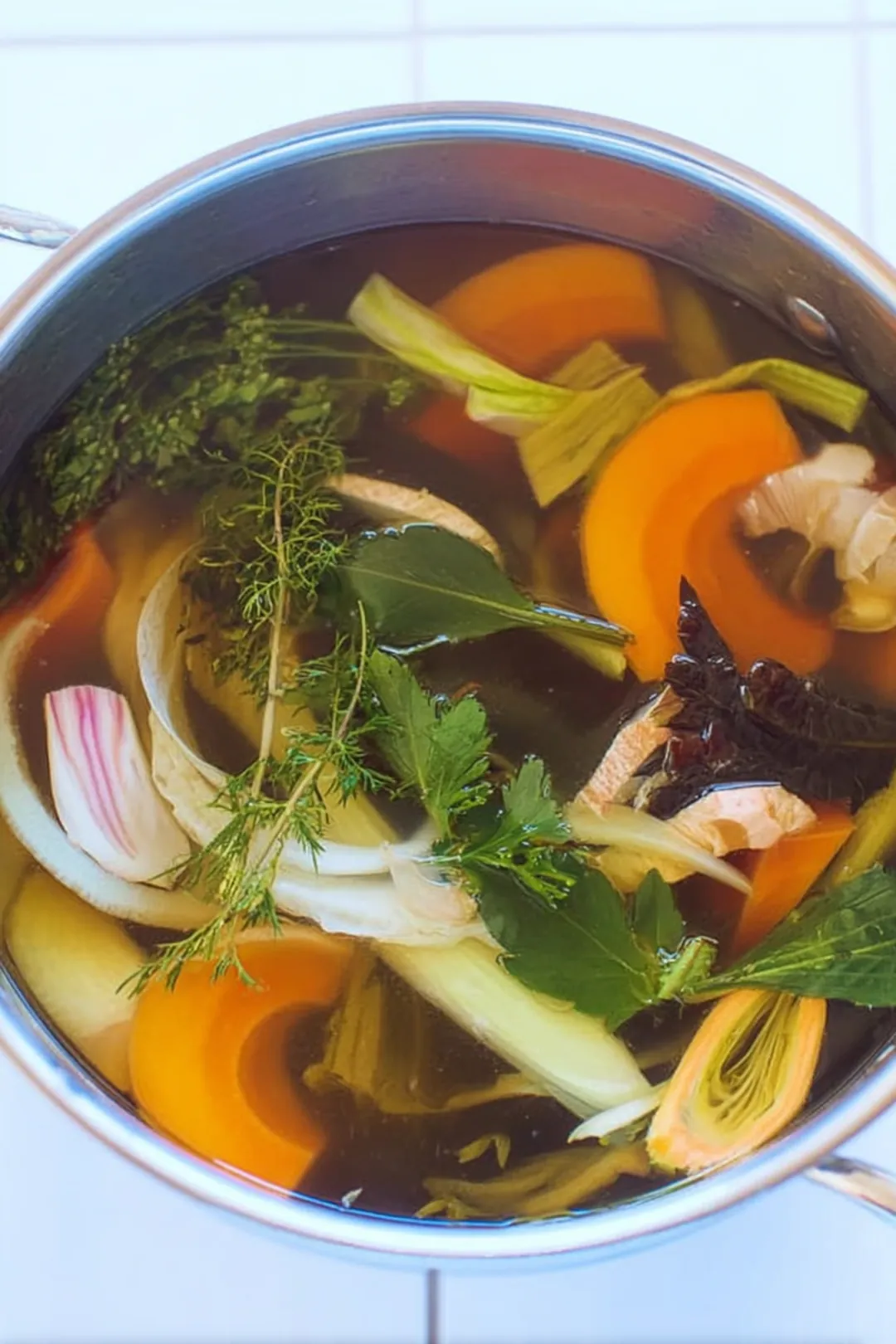
Table of Contents
Quick Tips
Unlock the full potential of your vegetable scraps with these juicy insights from my kitchen! Not only do these tips help you craft a flavorful, immunity-boosting broth, but they also embody sustainability and health—two values I hold dear to my heart.
-
Scrap Selection: Focus on carrot peels, onion skins, and celery trimmings—they all lend a lovely depth of flavor. Avoid using starchy scraps like potato peels, which can muddy your broth and make it cloudy.
-
Flavor Enhancers: A splash of apple cider vinegar or a squeeze of fresh lemon juice adds zing and helps extract nutrients from the veggies. Trust me, this simple step elevates the entire taste experience!
-
Herbs & Spices Boost: Toss in fresh herbs like thyme, rosemary, or parsley. Not only do they contribute enchanting fragrances, but they also pack a punch of antioxidants that benefit your health.
-
Cooking Method Matters: While stovetop simmering is traditional, I’m a huge fan of using my pressure cooker for broths. It intensifies flavors in a fraction of the time! Typically, just 15 minutes under pressure works wonders for a delicious broth. Consider trying Slow-Cooker Apricot Honey Mustard Chicken for a delightful meal alongside your broth.
-
Storage Savvy: Cool your broth quickly and store it in ice cube trays for easy portioning. These little gems are perfect for adding a nutritional boost to soups or sauces later. I love having a few cubes on hand for those last-minute dinner inspiration moments!
-
Nutritional Goldmine: Homemade broth is rich in vitamins and minerals, and those veggie scraps work hard to boost your immunity!
-
Don’t Overlook Leftovers: Keep a dedicated bag in your freezer for vegetable scraps throughout the week. Not only does this save you money, but it ensures you’ll always have the makings of a delicious broth on hand!
Ready to dive into making your own immunity-boosting broth? Let’s get cooking!
Understanding Vegetable Scraps
What Are Vegetable Scraps?
Vegetable scraps are the delightful little bits we often overlook—the peels, tops, and stems that can add surprising flavor to our cooking. Instead of tossing them out, we can use these elements to create something truly special. Embracing this zero-waste philosophy allows us to save money while contributing positively to a healthier planet. It’s not just practical; it’s a celebration of every aspect of the ingredients we have in our kitchens, transforming “waste” into culinary gold.
Types of Scraps to Use
When preparing a comforting broth, certain vegetable scraps step into the limelight. For instance, carrot peels and onion skins infuse a sweet and rich depth of flavor, while the fresh tops of celery can add a delightful freshness! However, steer clear of starchy scraps such as potato peels or corn husks; they don’t play nicely in broths and can lead to a murky, unappealing finish. Instead, selecting fresh, vibrant scraps guarantees a broth that’s both delicious and nourishing!
Health Benefits of Immunity-Boosting Broth
Nutritional Value
Homemade vegetable scrap broth is an extraordinary vessel of nutrients. It brims with vitamins A, C, and K, along with essential minerals like potassium and magnesium. These powerful nutrients not only support your body’s health but also set your homemade broth apart from store-bought versions, which often lack the richness of flavors and benefits found in fresh, wholesome ingredients. The USDA even highlights that “Homemade broth retains higher levels of vitamins and minerals compared to commercial alternatives.”
Immunity-Boosting Properties
The true magic of vegetable-rich broths lies in their ability to bolster our immune systems—thanks to their antioxidant content and rich vitamins. Ingredients such as garlic and onions are particularly potent; they’re nature’s little defenders against illness! The Mayo Clinic notes that “vegetables rich in antioxidants improve overall immune function.” By incorporating these powerhouses into your broth, you’re not just warming your soul; you’re also supporting your body’s defenses.
Cooking Methods for Broth
Stovetop vs. Pressure Cooker
When it comes to crafting your broth, both stovetop and pressure cooker methods possess their unique advantages. Stovetop simmering is a wonderful approach that allows for deep, traditional flavors to develop over time. Watching your scraps transform into a fragrant elixir worthy of your table is a simple pleasure! Alternatively, if you find yourself short on time, a pressure cooker can be your best buddy, letting you whip up a flavorful broth in roughly 15 minutes. Generally, you’ll want to dedicate about 60 minutes for stovetop simmering, with each method yielding rich, aromatic results. My little cheat? I often start simmering on the stovetop while I tackle other kitchen tasks, maximizing my productivity!
Flavor Enhancement Techniques
Are you ready to take your broth to the next level? A splash of apple cider vinegar or a squeeze of fresh lemon juice can amplify the flavor extraction from your scraps. And let’s not forget the addition of fresh herbs—thyme, rosemary, and parsley lend an enchanting touch! If you enjoy a bit of spice, adding garlic, ginger, or bay leaves wraps your kitchen in a comforting, savory aroma that beckons loved ones to gather around. For an extra indulgence, why not pair your broth with a dish like Spicy Sizzling Skillet Queso Burgers?
Step-by-Step Recipe Guide
Ingredients List
-
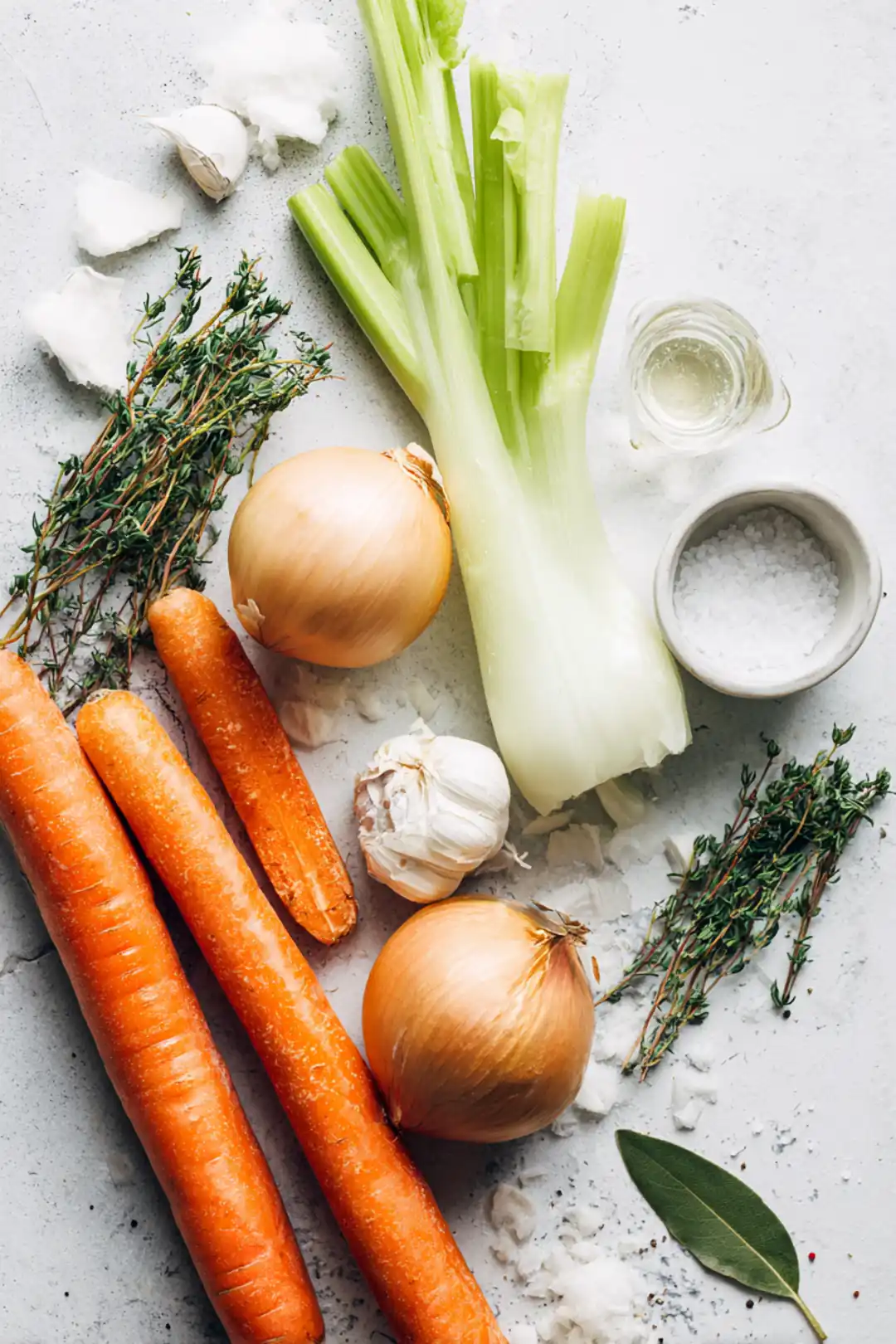
2 carrots (scraps, peeled and chopped)
-
1 onion (quartered, with the skin)
-
2 stalks of celery (chopped, scraps preferred)
-
4 cloves of garlic (lightly smashed)
-
5 cups of filtered or spring water
-
1 bay leaf
-
1 teaspoon of thyme
-
Salt to taste
Cooking the Broth
Step 1: Start by gathering and prepping your vegetable scraps. Take a moment to ensure they’re clean and free from mold or rot—this attention to detail is crucial for a clear, flavorful broth.
Step 2: In a large stockpot or pressure cooker, combine all the vegetable scraps along with the water. Add in the bay leaf, thyme, and a sprinkle of salt. For the stovetop method, bring the mixture to a boil over medium-high heat. If using a pressure cooker, follow your device’s specific guidelines for cooking time.
Step 3: If using the stovetop method, reduce the heat and let it simmer for about 60 minutes once boiling. For the pressure cooker, secure the lid and follow the manufacturer’s instructions. Once your broth has finished cooking, strain it through a fine-mesh sieve and let it cool before storing it in airtight containers.
Tips for Customization
Don’t hesitate to get creative in your broth-making journey! Different herbs and spices can completely reinvent the flavor palette of your broth. If you’re in the mood for something heartier, consider tossing in legumes or grains for a nutritious twist! The opportunities are endless as you mix and match based on what you have at hand, personalizing your broth until it feels uniquely yours. You might even want to try adding Flourless Passover Chocolate Bark Surprise for a sweet treat afterwards.
Storage Tips for Broth
How to Store
Once your broth has cooled completely, it’s time to store it thoughtfully. Glass containers are a great option for refrigeration; they help maintain freshness. Be sure to leave a little room at the top for any expansion when you freeze!
Portioning Strategies
For easy-to-use portions, I suggest using ice cube trays to freeze smaller servings—these little ice cubes are perfect for quick additions to future recipes. If you prefer using jars, don’t forget to label each one with the date to keep track of freshness!
Using Leftover Broth
The beauty of this broth lies in its versatility! You can incorporate it into soups, risottos, stews, or sauces, infusing them with rich flavor and nutritional benefits. Pouring broth over grains and lentils not only enhances their taste but also boosts their dietary value; this little upgrade can transform a simple meal into a nourishing delight! For a festive touch, consider serving it alongside Honey & Lavender Glazed Easter Ham at your next gathering!
FAQs
Can you use vegetable scraps for broth?
Absolutely! Vegetable scraps like onion peels, carrot tops, and celery leaves are packed with flavor and nutrients, making for a hearty, immunity-boosting broth while minimizing waste.
What vegetable scraps should I not use for stock?
Avoid using vegetable scraps from starchy vegetables like potatoes and strong-flavored items like cabbage or broccoli, as they can muddy the flavor of your broth. Stick to milder scraps for the best results.
What veggie scraps can I freeze for broth?
You can freeze vegetable scraps such as carrot tops, onion skins, and herb stems. Store them in airtight containers or bags until you’re ready to use them for your flavorful broth.
What are the benefits of vegetable scrap broth?
Vegetable scrap broth is nutrient-rich, promoting good digestion and boosting immunity. It also reduces food waste, making it an eco-friendly choice, and enhances the flavor of many dishes, adding warmth and balance.
What cooking methods can I use for broth?
You can prepare vegetable scrap broth using either a stovetop or a pressure cooker. Stovetop methods generally take 1-2 hours, while pressure cooking can significantly reduce the time to about 30 minutes, preserving both nutrients and flavor.
Conclusion
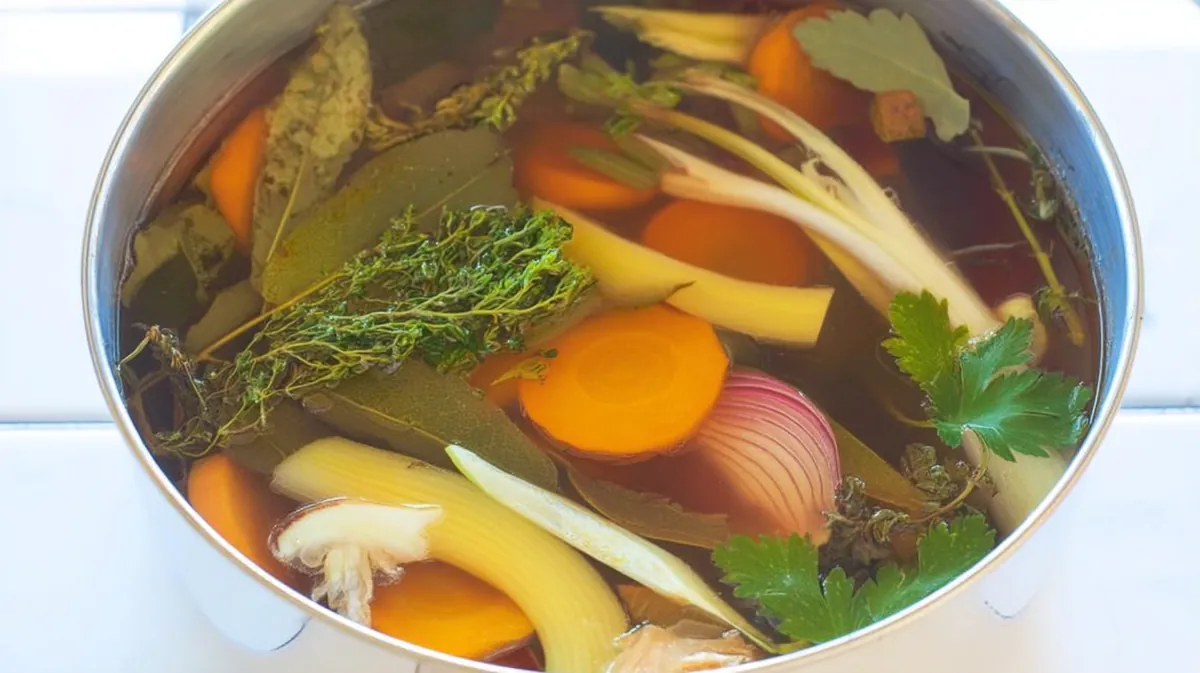
Transforming vegetable scraps into a delicious, immunity-boosting broth is a delightful way to embrace a waste-not philosophy while nourishing your body. Remember, the key flavors emerge from vibrant ingredients like carrot peels and onion skins, which provide a flavorful punch of nutrients. Whether you opt for the traditional stovetop method or the speedy pressure cooker approach, your homemade broth will outshine anything from the store.
With every simmer, you’re not just crafting a warming elixir; you’re creating a treasure trove of health benefits ready to elevate any meal. So gather those scraps, let your creativity flow, and relish in the rich flavors that arise from nurturing every ingredient. Happy cooking, and remember—every tasty sip is a step towards a healthier you!
Transform Vegetable Scraps into Immunity-Boosting Broth!
Ingredients
Method
- In a large stockpot, combine all vegetable scraps along with the water.
- Add the bay leaf, thyme, and salt to the pot, then bring the mixture to a boil over medium-high heat.
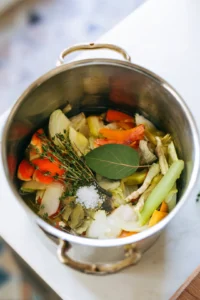
- Once boiling, reduce the heat and let it simmer for 60 minutes. Strain the broth and store it in airtight containers for future use.