Boost Your Gut Health: Tips for a Happy Digestive System
Did you know your gut functions like a bustling city of bacteria, tirelessly working to keep you feeling your best? If your digestive system is more chaotic than harmonious, it might be time to prioritize your gut health and function!
In this post, I’ll share some chef-approved tips to transform your meals into powerful tools for digestive wellness. From gut-friendly foods to mindful eating strategies, let’s nurture that microbiome together and pave the way for a happier, healthier you!
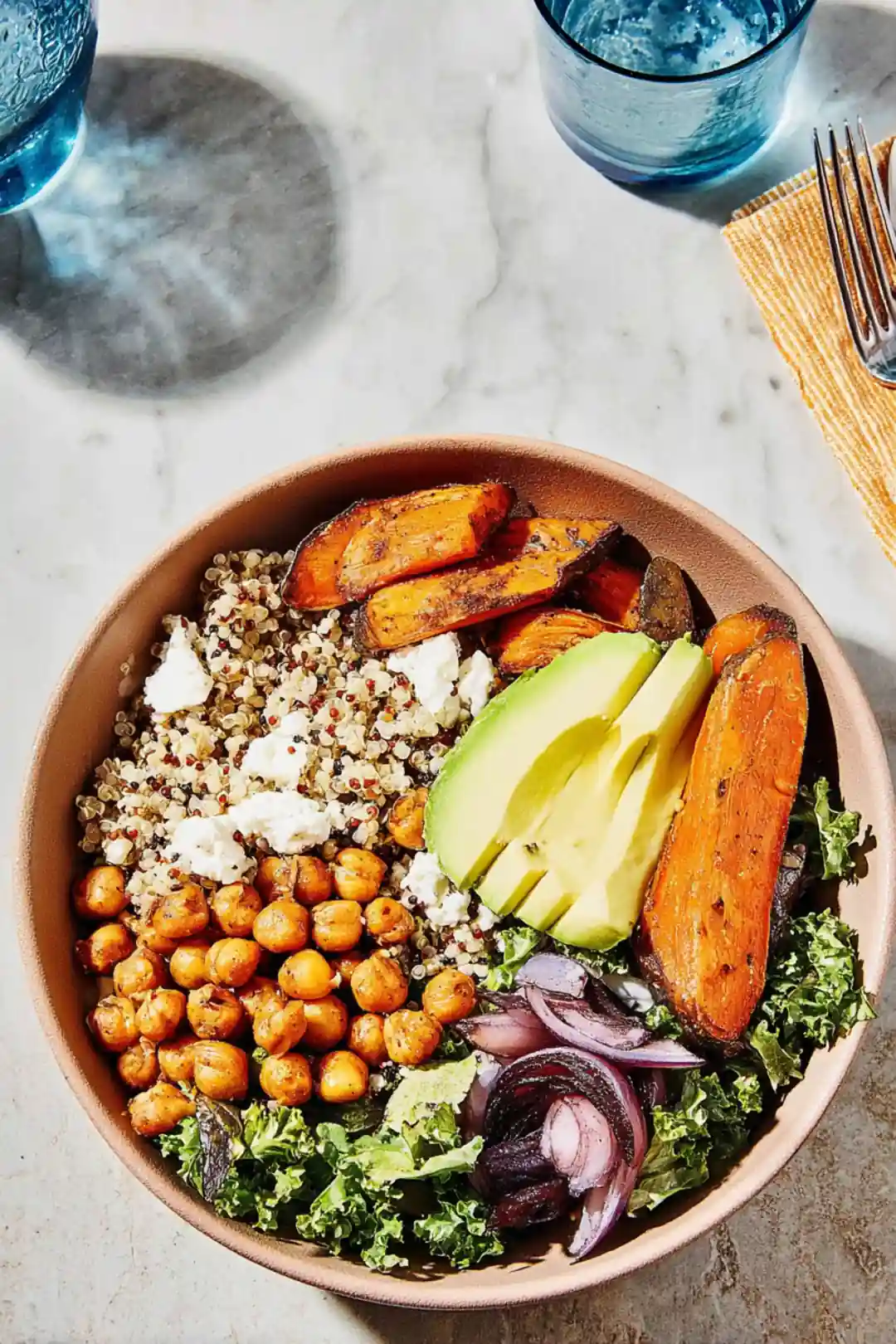
Table of Contents
Quick Tips
-
Fermented Favorites: Elevate your meals with fermented foods like kimchi, yogurt, and sauerkraut. These treasures are brimming with probiotics that bolster your gut flora, enhancing digestion and boosting your immune system. In my kitchen, I passionately create my own sauerkraut—it’s simpler than you might think, and the flavor is absolutely unbeatable! You might also enjoy making a delicious Fermented Kefir Salad Dressing to add extra probiotics to your diet.
-
Fiber First: Make fiber your kitchen ally! Foods such as beans, lentils, and whole grains feed your healthy gut bacteria, promoting digestive regularity and satisfaction. At the start of the week, I suggest prepping a large batch of lentils—they make a hearty addition to soups and salads, turning any dish into a nourishing powerhouse. Incorporate them into Overnight Oats with Fiber-Rich Flax & Chia for a great breakfast option.
-
Stay Hydrated: Water is your unsung hero! Adequate hydration supports the digestive process, ensuring everything flows smoothly while also aiding nutrient absorption. Aim for at least 8 cups a day, and perhaps consider herbal teas or infused waters to make hydration feel more enjoyable.
-
Mind Your Meals: Eating mindfully can significantly reduce stress and foster a healthier gut. Digestive harmony starts from the moment you take your first bite. Savor your food, chew slowly, and truly listen to your body. Remember, each meal can be a moment of joy and discovery.
-
Spice it Up: Consider adding ginger and turmeric to your culinary repertoire. Both spices can alleviate digestive discomfort and enhance overall gut health with their impressive anti-inflammatory properties. One of my favorite techniques is to steep fresh ginger in hot water, transforming it into a soothing post-meal tea.
-
Limit Sugar Intake: Be mindful of added sugars—large amounts can disrupt the balance of your gut bacteria. When possible, swap in natural sweeteners like honey or ripe bananas to keep your gut flora thriving and balanced. For healthier snack alternatives, try making Low-Sugar Prune & Walnut Energy Bites.
-
Gut-Health Connection: Don’t overlook the fascinating relationship between your gut and brain! A balanced gut may enhance mood and cognitive function, highlighting that what you eat doesn’t just affect your stomach; it can also affect your mind!
Allow these insights to work their magic as you explore the recipe steps that will guide you on the path to gut wellness.
Understanding Gut Health
What is Gut Health?
Gut health refers to the balance and functionality of your digestive system, especially the gut microbiome. This diverse community of trillions of microorganisms living in our intestines plays essential roles in immune function, metabolism, and even our mental health. Just like I often say, “Our gut is like a garden; what we feed it determines the flowers that bloom.” By nurturing our gut, we can influence our overall well-being and vitality!
Signs of an Unhealthy Gut
Have you experienced bloating or fatigue, or encountered irregular bowel movements? These can be common indicators of gut imbalance. Reflect on your own experiences:
-
How frequently do you experience bloating or digestive discomfort?
-
Are these feelings persistent enough to disrupt your daily life?
Remember, your gut health is as unique as your culinary preferences. If you notice persistent symptoms, it’s wise to consult with a healthcare professional to evaluate your gut health comprehensively.
The Brain-Gut Connection
There’s a captivating relationship between our gut health and mental wellness. Emerging research suggests that the gut microbiome can significantly affect cognitive functions and mood regulation. The Mayo Clinic states, “Research suggests that gut health may play a role in conditions such as anxiety and depression.” What this profound insight means for us is that keeping our gut happy might also help ensure our minds remain clear and vibrant!
Foods to Support Gut Health
Fermented Foods You Should Try
Fermented foods are a treasure trove for gut health—think of kimchi, yogurt, and sauerkraut. They’re rich in probiotics to support a thriving gut microbiome. Here are practical ways to add these into your meals:
-
Morning Smoothie: Boost your breakfast by adding a scoop of yogurt for a creamy, probiotic-rich lift.
-
Colorful Salads: Top your greens with a generous helping of sauerkraut, elevating flavor while packing in nutrients.
-
Spicy Sides: Serve kimchi as a zesty accompaniment to grilled meats or incorporate it into stir-fries for an extra kick. You can also try enhancing your meals with a serving of Sourdough Flatbread with Seasonal Microgreens for added nutrition and flavor.
Fiber-Rich Ingredients
Dietary fiber is your gut’s best friend. It promotes the growth of beneficial bacteria, keeping them well-fed and happy. To maintain that friendly microbial community, consider incorporating these fiber-rich foods into your diet:
-
Beans & Lentils: Toss these into soups or stews for added texture, nutrition, and warmth.
-
Whole Grains: Substituting regular pasta for High-Protein Cottage Cheese Pasta Sauce not only boosts fiber but also flavor and satisfaction. I often cook a big batch on the weekend, making it easy to throw together nutritious meals throughout the week.
-
Fruits & Vegetables: Strive for at least five servings of vibrant fruits and veggies daily to help everything flow smoothly.
Hydration Habits
Water plays a critical role in aiding digestion and maintaining movement through your digestive system. To enhance your hydration, consider infusing your water with refreshing fruits or herbs—think lemon, cucumber, or mint. Herbal iced teas can also double as hydration and a delightful treat!
And remember, staying hydrated isn’t just good for digestion; it’s about bringing joy into your daily routine.
Anti-Inflammatory Spices
Adding spices like ginger and turmeric to your dishes provides both flavor and health benefits. These two spices are renowned for aiding digestion and reducing inflammation. Here’s how you can weave them into your cooking:
-
Stir-fry: Grate fresh ginger into your stir-fries or soups for a delightful zest that enhances the dish.
-
Golden Rice: Stir in turmeric into your rice dishes for an inviting color and health boost.
As I always say, “A pinch of these spices not only enhances flavor but also elevates your health!”
Mindful Eating Strategies
The Art of Mindful Eating
Mindful eating is all about savoring each bite. By taking the time to slow down and appreciate your food, you create a peaceful environment that fosters better digestion. Ask yourself, “What does this dish remind me of? Where did these ingredients come from?” Engaging your senses in this way helps form a deeper connection with your meal.
Listening to Your Body
Focusing on your body’s hunger and fullness signals can vastly improve your eating experience. Rather than sticking strictly to busy schedules, listen to your body—it will tell you when it’s ready for nourishment. Think of it as a dance, where your body leads, and you gracefully follow.
Reducing Sugar for a Healthier Gut
The Impact of Sugar on Gut Flora
Added sugars can wreak havoc on your gut flora, contributing to various health issues. Before you reach for those refined sugars, consider healthier alternatives like honey or ripe bananas. Remember, just because something is sweet doesn’t mean it’s good for your gut!
Practical Tips for Cutting Back on Sugar
-
Baking Basics: Substitute unsweetened applesauce in your baking—this delightful swap keeps your treats moist while reducing added sugars.
-
Label Reading: Familiarize yourself with food labels. Look for “added sugars” and opt for products with lower levels.
By being mindful of your sugar intake, you can cultivate a healthier gut environment.
Putting It All Together
Sample Daily Menu for Gut Health
Creating a day’s menu filled with gut-friendly dishes might look like this:
-
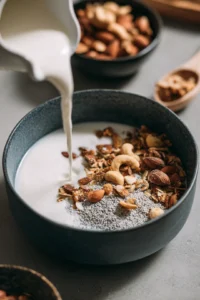
Breakfast: Overnight oats mixed with yogurt and topped with berries deliver both fiber and a probiotic punch to start your day right.
-
Lunch: A quinoa salad loaded with colorful veggies provides the perfect balance of flavor and crunch.
-
Dinner: Grilled chicken served alongside steamed broccoli and a side of fermented vegetables adds zest and nourishment to complete your day.
Don’t forget to stay hydrated with infused water or herbal teas throughout your day!
Meal Prep Tips for Gut Health
Batch cooking is an excellent way to ensure you always have gut-friendly meals ready to go. Here’s how I recommend doing it:
-
Soups & Stews: Prepare a large batch filled with fiber-rich legumes and wholesome vegetables. They store beautifully and are perfect for quick dinners.
-
Storage Solutions: Investing in airtight containers keeps your meals fresh and ready for grabbing. Proper labeling can also help avoid culinary mix-ups!
FAQs
What are the 7 signs of an unhealthy gut?
The seven signs include bloating, gas, diarrhea, constipation, food intolerances, fatigue, and skin irritation. If you often experience these symptoms, it’s crucial to assess your diet and lifestyle for potential improvements.
How can I improve gut health naturally?
Improving gut health can be achieved by adopting a diet rich in fiber, fermented foods, and prebiotics. Don’t forget the importance of staying hydrated, managing stress, and engaging in regular exercise!
Does cortisol affect the gut?
Yes, elevated cortisol levels can negatively impact gut health, potentially leading to issues like inflammation and altered gut bacteria. Managing stress through relaxation techniques can help mitigate these effects on your digestive system.
Is Alzheimer’s linked to gut health?
Emerging research suggests a connection between gut health and brain health, including Alzheimer’s disease. Imbalances in gut bacteria may influence neuroinflammation and cognitive function, making your gut health a fascinating area of study for brain disorders.
How do I reset my gut naturally?
To reset your gut naturally, eliminate processed foods and sugars, focus on whole foods, and incorporate probiotics and prebiotics into your diet. Staying hydrated and even considering a period of fasting can promote gut healing and balance.
Conclusion
Nurturing your gut health resembles cultivating a beautiful garden. With the right ingredients and a little care, you’ll reap boundless benefits. By integrating probiotic-rich fermented foods, fiber-packed ingredients, and proper hydration, you’re not merely feeding your gut—you’re investing in your overall well-being. Practicing mindfulness during meals can transform your eating experience into a nourishing ritual. Remember, moderation is key; cutting back on added sugars lays an essential foundation for a healthier gut. As you embark on this flavorful journey towards better digestion, view each meal as a chance to delight your palate while nurturing your gut. Happy cooking, and may your kitchen always bring comfort and joy!

Boost Your Gut Health: Tips for a Happy Digestive System
Ingredients
Method
- Identify the signs of an unhealthy gut by looking for symptoms such as bloating, fatigue, or digestive issues. Seek professional advice to have a comprehensive evaluation.
- Incorporate more fiber-rich foods into your diet, including fruits, vegetables, and whole grains which are essential for maintaining a healthy gut microbiome.
- Consider adding probiotics and prebiotics to your daily routine, as they help balance gut bacteria and improve digestion.